


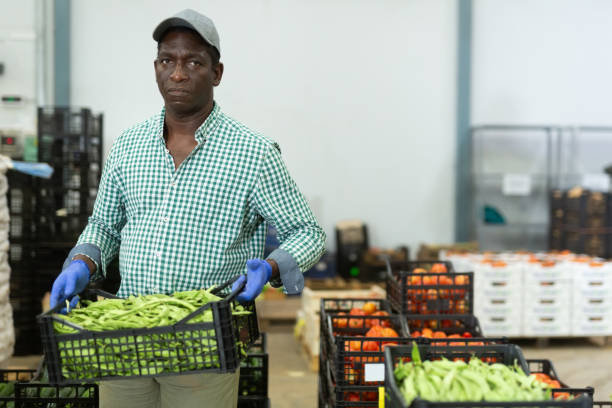
Traditional medicine remains a major part of healthcare practice across Nigeria, especially in cities like Lagos, Ibadan, Abuja, and across rural communities where herbal remedies are widely trusted. From herbs and roots to bark extracts and prepared mixtures, many practitioners rely on timely delivery of traditional medicine materials to serve patients effectively.
This is where traditional medicine delivery (herbs, roots) becomes an important logistics need for herbal shops, practitioners, and customers who depend on natural remedies.
Why Traditional Medicine Logistics Is Important
Unlike regular retail items, traditional medicine often requires fresh, specific, and sometimes seasonal materials. Delays in delivery can affect both treatment preparation and patient care.
Common items include:
- Fresh herbs and leaves
- Tree roots and bark extracts
- Herbal powders and dried mixtures
- Natural oils and infusions
- Prepared traditional remedies
- Bulk ingredients for herbal production
For many practitioners, having the right materials at the right time is essential for continuous service.
The Real Challenge Behind Herbal Supply Delivery
Traditional medicine supply chains are often informal and scattered across different markets and rural sources.
Key challenges include:
- Sourcing herbs from different locations (rural and urban markets)
- Ensuring freshness of perishable herbal materials
- Difficulty coordinating multiple suppliers
- Transport delays affecting potency of fresh herbs
- Lack of structured packaging for fragile natural materials
- Urgent demand from patients needing immediate preparation
Because many herbal materials are time-sensitive, delays can reduce effectiveness.
Why Speed Matters in Herbal Medicine Delivery
In traditional healthcare practice, timing can be critical.
Fast delivery helps:
- Ensure herbs remain fresh and effective
- Allow practitioners prepare remedies without delay
- Support urgent patient treatment cases
- Reduce spoilage of perishable materials
- Maintain consistency in herbal production
For many patients, delayed preparation means delayed relief.
Common Real-Life Scenarios in Nigeria
Herbal Clinic in Lagos
A practitioner urgently needs fresh roots and leaves from Mushin market to prepare a treatment for multiple patients.
Rural Herb Sourcing for Urban Delivery
A supplier collects medicinal plants from Ogun rural areas and delivers them to an herbal shop in Ibadan.
Emergency Patient Preparation
A herbalist receives a request for urgent remedy preparation and needs same-day delivery of specific ingredients.
Bulk Herbal Production Supply
A traditional medicine producer requires large quantities of dried herbs and bark for packaging and resale.
Challenges in Traditional Medicine Logistics
1. Sourcing from Multiple Locations
Herbs and roots are often spread across different markets and villages.
2. Perishability of Materials
Fresh herbs lose potency quickly if not delivered on time.
3. Lack of Standard Packaging
Improper handling can damage delicate plant materials.
4. Seasonal Availability
Some herbs are only available during certain seasons, increasing urgency when found.
5. Urgent Patient Demand
Herbal practitioners often work on immediate treatment timelines.
Why Organized Delivery Systems Are Becoming Necessary
As traditional medicine becomes more structured and commercially active, logistics plays a bigger role.
Efficient delivery systems help:
- Connect rural suppliers to urban practitioners
- Reduce delays in herbal preparation
- Improve consistency of service
- Support small herbal businesses scaling operations
- Maintain quality and freshness of materials
How Traditional Medicine Delivery Works Efficiently
A structured system typically includes:
Market and Rural Sourcing
Herbs and roots are collected from verified suppliers and local markets.
Careful Handling and Packaging
Materials are packaged to preserve freshness and prevent contamination.
Time-Sensitive Dispatch
Deliveries are prioritized based on urgency and preparation needs.
Multi-Supplier Coordination
Different herbal ingredients are combined into one delivery route.
Urban-to-Rural Logistics Support
Materials can also be transported from city suppliers to rural practitioners.
How Travo.ng Supports Traditional Medicine Delivery
Travo.ng helps coordinate reliable logistics for herbal practitioners, suppliers, and wellness businesses that depend on timely delivery of natural materials.
Depending on needs, support may include:
- Same-day delivery of herbs and roots
- Market pickup from herbal supply hubs
- Rural-to-urban herbal material transport
- Bulk delivery for herbal production businesses
- Emergency dispatch for urgent treatment preparation
- Multi-supplier coordination for herbal ingredients
- Business logistics support for traditional medicine practitioners
This ensures herbal businesses can operate without delays in supply.
Keeping Traditional Healthcare Flowing Smoothly
Traditional medicine delivery is more than transportation—it is part of healthcare continuity for many communities in Nigeria. When herbs and roots are delayed, treatment is delayed. When logistics is fast and reliable, patients receive timely care.
With structured delivery support through Travo.ng, herbal practitioners and suppliers can maintain freshness, improve efficiency, and serve patients more effectively across different locations.
