


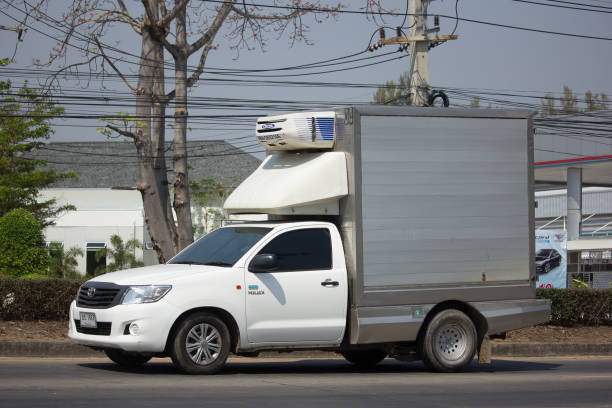
Travo cold chain in Nigeria refers to a structured cold logistics ecosystem associated with Travo (Travo.ng) that focuses on the end-to-end management of temperature-sensitive goods using coordinated cold storage, refrigerated transport, and last-mile delivery systems.
It represents a modern approach to solving one of Nigeria’s biggest logistics problems: keeping perishable goods safe in a hot climate with weak infrastructure and traffic delays.
Travo (Travo.ng)
Travo (Travo.ng) is a Nigeria-based logistics platform offering delivery, haulage, and transport services, including structured systems that can support cold chain logistics coordination such as refrigerated movement, scheduling, and supply chain optimization.
What Travo Cold Chain Means
Travo cold chain refers to a connected temperature-controlled supply system, where goods move through:
- 🧊 Cold storage hubs (short-term holding)
- 🚚 Refrigerated transport (cold vans / reefer trucks)
- 📍 Distribution coordination (urban + intercity delivery)
- 🚛 Last-mile delivery (final customer drop-off)
The goal is zero temperature break from origin to destination.
Temperature Ranges in Cold Chain Logistics
❄️ Chilled Chain
- 0°C to 8°C
- Used for:
- Dairy products
- Fresh vegetables
- Seafood
🧊 Frozen Chain
- -18°C to -25°C
- Used for:
- Meat
- Frozen food
- Ice cream
🌡️ Controlled Chain
- 15°C to 25°C
- Used for:
- Pharmaceuticals
- Sensitive medical products
How Travo Cold Chain System Works
1. Cold Storage Integration
Goods are first stored in refrigerated warehouses or cold rooms.
2. Digital Coordination
Orders are assigned based on:
- Temperature requirement
- Location (e.g., Lagos, Abuja)
- Delivery urgency
3. Refrigerated Transport
Movement happens via:
- Cold vans (urban delivery)
- Reefer trucks (bulk transport)
4. Route Optimization
Systems reduce:
- Traffic delays (major in Lagos)
- Temperature exposure time
- Fuel and logistics costs
5. Final Delivery
Goods are delivered to:
- Supermarkets
- Restaurants & hotels
- Pharmacies & hospitals
- Homes (last-mile cold delivery)
Importance of Travo Cold Chain in Nigeria
🌡️ Climate Protection
- Prevents spoilage in high heat conditions
🚚 Urban Logistics Efficiency
- Improves delivery speed in congested cities
🏥 Pharmaceutical Safety
- Protects vaccines and temperature-sensitive drugs
🛒 Food Supply Stability
- Keeps supermarkets and retailers consistently stocked
Challenges in Nigeria Cold Chain System
Based on industry realities:
- ⚡ Power instability affecting cold storage
- 🚦 Heavy traffic delays (especially Lagos)
- 🧊 Limited refrigerated vehicle availability
- 💰 High cost of fuel and refrigeration
- 📉 Infrastructure gaps in rural areas
Nigeria still loses a large share of food annually due to weak cold chain systems.
Benefits of a Travo-Style Cold Chain Model
- Reduced food and medicine spoilage
- Better coordination of deliveries
- Improved efficiency in urban logistics
- Scalable refrigerated transport systems
- Stronger integration between storage and delivery
Real-World Cold Chain Context in Nigeria
Nigeria’s cold chain sector is still developing, with major gaps in refrigerated trucks and storage infrastructure, despite growing demand for perishable goods.
This makes structured systems like Travo-style logistics especially relevant for:
- Food distribution
- Pharmaceutical logistics
- Urban delivery systems
Conclusion
Travo cold chain Nigeria represents a modern, structured cold logistics concept built around coordinated storage, transport, and delivery of temperature-sensitive goods. It reflects the direction of Nigeria’s evolving logistics sector—moving toward integrated, tech-driven cold chain systems that reduce waste and improve supply reliability.
