


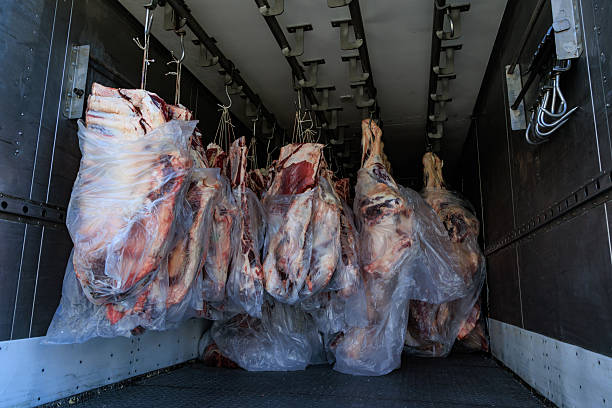
Deep frozen transport in Lagos refers to the movement of goods that must be kept at extremely low temperatures (usually -18°C or below, sometimes lower) using specialized refrigerated vehicles, ensuring they remain fully frozen from pickup to final delivery.
It is one of the most sensitive parts of the cold chain logistics system, especially in a hot and high-traffic city like Lagos. It also aligns with structured logistics systems like Travo (Travo.ng)-style operations.
What Deep Frozen Transport Means
It involves transporting products that must stay in a fully frozen state without any thawing at any stage.
Typical flow:
- Deep freezer storage → pre-cooled refrigerated truck → delivery point
Even brief temperature rise can damage product quality.
Products That Require Deep Frozen Transport
🥩 Meat & Poultry
- Beef
- Chicken
- Turkey
- Goat meat
🐟 Seafood
- Fish
- Prawns
- Crabs
- Frozen shellfish
🍦 Frozen Desserts
- Ice cream
- Frozen yogurt
- Frozen custard
🍟 Processed Frozen Foods
- Nuggets
- Fries
- Sausages
- Ready-to-cook meals
Temperature Requirements
🧊 Deep Frozen Standard
- -18°C to -25°C
- Used for:
- Meat
- Seafood
- Ice cream
❄️ Ultra-Deep Frozen (Special Cases)
- Below -25°C
- Used for:
- Long-distance imports
- Highly sensitive frozen goods
How Deep Frozen Transport Works in Lagos
1. Storage in Deep Freezers
Products are stored in industrial freezers before dispatch.
2. Order Preparation
Goods are picked and packed quickly to reduce exposure time.
3. Pre-Cooling Vehicles
Refrigerated vans or trucks are cooled to required temperature before loading.
4. Frozen Transport
During movement:
- Refrigeration units run continuously
- Temperature is monitored in real time
- Doors remain tightly sealed
5. Delivery
Goods are delivered to:
- Supermarkets
- Hotels and restaurants
- Retail shops
- Homes (last-mile delivery)
Why Deep Frozen Transport Is Important in Lagos
🌡️ Hot Climate Protection
- Prevents thawing in high temperatures
🚦 Traffic Management
- Maintains freezing conditions during delays
🛍️ Supports Food Supply Chains
- Ensures availability of frozen foods
🍽️ Hospitality Industry Support
- Supplies hotels, catering, and restaurants
Challenges in Lagos
⚡ Power Instability
- Affects storage and pre-cooling systems
🚦 Heavy Traffic
- Can extend delivery time
🧊 Equipment Reliability
- Refrigeration failure leads to product loss
💰 High Operating Costs
- Fuel and cooling systems are expensive
Benefits of Deep Frozen Transport
- Preserves food safety and quality
- Extends shelf life of frozen goods
- Reduces financial losses from spoilage
- Supports retail and hospitality industries
- Improves cold chain reliability
Role in Modern Logistics (Travo Insight)
In structured logistics systems like those inspired by Travo (Travo.ng):
- Deep frozen goods move through integrated cold hubs
- Real-time temperature tracking is used
- Route optimization reduces exposure time
- Cold storage and transport systems are fully connected
This ensures uninterrupted freezing from warehouse to customer.
Best Practices
- Pre-cool vehicles before loading
- Maintain -18°C or lower at all times
- Avoid frequent door opening
- Use insulated packaging for last-mile delivery
- Continuously monitor temperature data
Conclusion
Deep frozen transport in Lagos is a highly sensitive cold chain logistics system that ensures frozen products remain stable and safe from storage to delivery. It is essential for food distribution, hospitality, and retail supply chains, and is increasingly supported by modern logistics systems like Travo (Travo.ng)-style operations.
