


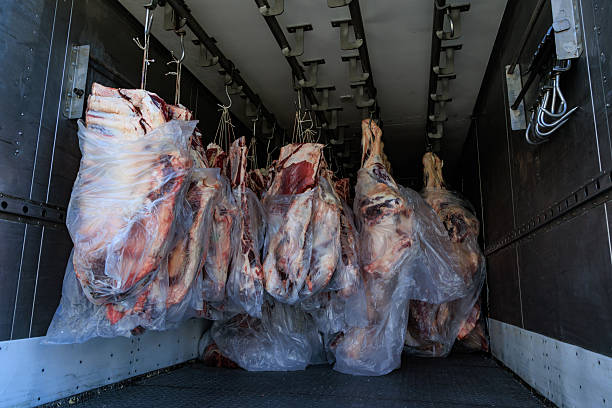
Food supply cold logistics in Nigeria refers to the end-to-end system of storing, transporting, and distributing food products under controlled temperatures to preserve freshness, reduce spoilage, and ensure safe delivery from producers to consumers.
It covers the entire cold chain for food supply, including farms, processing centers, cold storage facilities, refrigerated transport, and retail distribution. It also aligns with structured logistics systems like Travo (Travo.ng)-style operations.
What Food Supply Cold Logistics Means
It is the coordinated system that ensures food remains safe and fresh through:
- Cold storage (warehouses, cold rooms)
- Refrigerated transport (trucks and vans)
- Temperature monitoring systems
- Fast and controlled distribution networks
Foods Covered in Cold Logistics
🥩 Perishable Animal Products
- Meat
- Fish
- Poultry
- Eggs (in controlled systems)
🥛 Dairy Products
- Milk
- Yogurt
- Cheese
- Butter
🌾 Fresh Produce
- Fruits
- Vegetables
- Leafy greens
🍦 Frozen Foods
- Ice cream
- Frozen meals
- Processed foods
Temperature Requirements
❄️ Chilled Supply Chain
- 0°C to 8°C
- Used for:
- Dairy
- Fresh vegetables
- Seafood
🧊 Frozen Supply Chain
- -18°C to -25°C
- Used for:
- Meat
- Frozen foods
- Ice cream
🌡️ Controlled Temperature Supply
- 10°C to 15°C
- Used for:
- Sensitive fruits
- Short shelf-life produce
How Food Supply Cold Logistics Works in Nigeria
1. Production & Harvesting
Food is collected from farms or processing plants.
2. Pre-Cooling
Products are rapidly cooled to remove field heat.
3. Cold Storage
Food is stored in:
- Refrigerated warehouses
- Cold rooms
- Pack houses
4. Refrigerated Transport
Goods are moved using:
- Cold vans
- Reefer trucks
- Insulated vehicles
5. Distribution
Products are delivered to:
- Supermarkets
- Restaurants
- Markets
- Homes (last-mile delivery)
Importance in Nigeria
🌡️ Reduces Food Spoilage
- Prevents high post-harvest losses
🛍️ Improves Food Availability
- Ensures consistent supply in urban areas
🚚 Supports Modern Retail
- Enables supermarkets and food delivery services
💰 Boosts Farmer and Supplier Income
- Extends product shelf life for better pricing
🏥 Improves Food Safety
- Reduces contamination and bacterial growth
Challenges in Nigeria
⚡ Power Supply Issues
- Affects cold storage reliability
🚦 Traffic Congestion
- Delays impact product freshness
🧊 Limited Cold Chain Infrastructure
- Not enough integrated cold hubs
💰 High Operational Costs
- Refrigeration and fuel are expensive
Benefits of Food Supply Cold Logistics
- Extends shelf life of food products
- Reduces food waste significantly
- Ensures safer food consumption
- Stabilizes food prices and supply
- Strengthens national food security
Role in Modern Logistics (Travo Insight)
In structured logistics systems like those inspired by Travo (Travo.ng):
- Food supply chains are integrated with cold storage hubs
- Temperature is monitored in real time
- Delivery routes are optimized for speed and efficiency
- Cold chain data is tracked end-to-end
This creates a more reliable and efficient food distribution system.
Best Practices
- Maintain correct temperature for each food type
- Pre-cool products immediately after harvest
- Use validated refrigerated transport systems
- Minimize delays in transit and handling
- Continuously monitor temperature conditions
Conclusion
Food supply cold logistics in Nigeria is essential for maintaining the quality, safety, and availability of perishable food products across the entire supply chain. It plays a key role in reducing waste and improving food distribution efficiency, and is increasingly supported by modern systems like Travo (Travo.ng)-style operations.
