


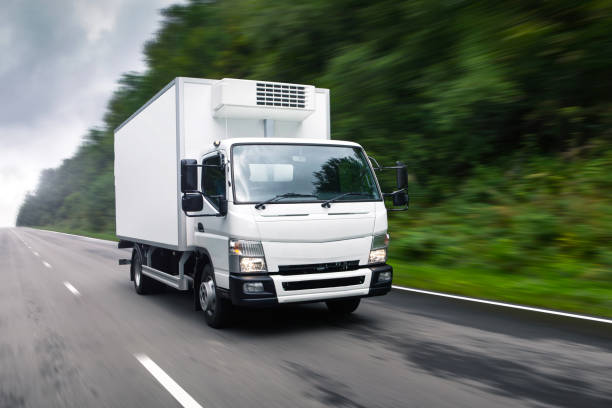
Temperature monitored transport in Nigeria refers to the movement of temperature-sensitive goods using vehicles equipped with real-time temperature tracking systems, ensuring that products like food and medicines stay within safe temperature ranges throughout the journey.
It is an advanced form of cold chain logistics, combining refrigeration with digital monitoring to reduce spoilage, improve safety, and increase transparency. It also aligns with modern logistics systems like Travo (Travo.ng)-style operations.
What It Means
It involves transporting goods while continuously tracking:
- Internal cargo temperature
- Humidity levels (in advanced systems)
- Vehicle location (GPS tracking)
- Cooling system performance
This ensures full visibility of the cold chain from start to finish.
Products That Require Temperature Monitored Transport
🥩 Food Products
- Meat
- Fish
- Poultry
- Dairy products
💉 Pharmaceutical Products
- Vaccines
- Insulin
- Medicines
- Blood samples
🌾 Agricultural Products
- Fruits
- Vegetables
- Fresh produce
🍦 Frozen Goods
- Ice cream
- Frozen meals
- Seafood products
Temperature Requirements
❄️ Chilled Transport
- 0°C to 8°C
- Used for:
- Fresh food
- Most pharmaceuticals
🧊 Frozen Transport
- -18°C to -25°C
- Used for:
- Meat
- Frozen seafood
- Long-term storage goods
🌡️ Controlled Transport
- 10°C to 15°C (limited cases)
- Used for:
- Sensitive produce
- Short-distance delivery
How Temperature Monitored Transport Works
1. Pre-Cooling
Vehicles are cooled before loading goods.
2. Loading with Sensors
Goods are loaded into refrigerated vehicles fitted with:
- Temperature sensors
- Data loggers
- GPS tracking systems
3. Real-Time Monitoring
During transport:
- Temperature is tracked continuously
- Alerts are triggered if limits are exceeded
4. Cold Chain Transport
Cooling systems run throughout the journey.
5. Delivery Confirmation
Data is reviewed to confirm safe delivery conditions.
Why It Is Important in Nigeria
🌡️ Hot Climate Conditions
- Prevents heat damage to sensitive goods
🚦 Traffic Challenges
- Ensures quality during delays
🛍️ Growing Demand for Safe Delivery
- Used in food delivery and e-commerce
🏥 Healthcare Safety
- Ensures drug and vaccine effectiveness
Challenges in Nigeria
⚡ Power and Equipment Costs
- Monitoring systems require investment
🚚 Transport Delays
- Traffic can still affect delivery times
🧊 Limited Adoption
- Not all logistics providers use smart monitoring
💰 High Operational Costs
- Technology and refrigeration increase expenses
Benefits of Temperature Monitored Transport
- Ensures product safety and quality
- Reduces spoilage and financial loss
- Provides transparency in logistics
- Improves healthcare delivery reliability
- Supports export-quality standards
Role in Modern Logistics (Travo Insight)
In structured logistics systems like those inspired by Travo (Travo.ng):
- Temperature data is tracked in real time across the entire trip
- Cold storage and transport systems are digitally connected
- Route optimization reduces exposure time
- Alerts help prevent product loss
This creates a smarter and more reliable cold chain system.
Best Practices
- Install calibrated temperature sensors
- Maintain continuous monitoring throughout transport
- Pre-cool vehicles before loading
- Avoid unnecessary door opening
- Use GPS + temperature tracking together
Conclusion
Temperature monitored transport in Nigeria is an advanced cold chain system that ensures perishable goods remain safe by combining refrigeration with real-time tracking. It is essential for food safety, pharmaceutical logistics, and modern supply chains, and is increasingly supported by systems like Travo (Travo.ng)-style operations.
