


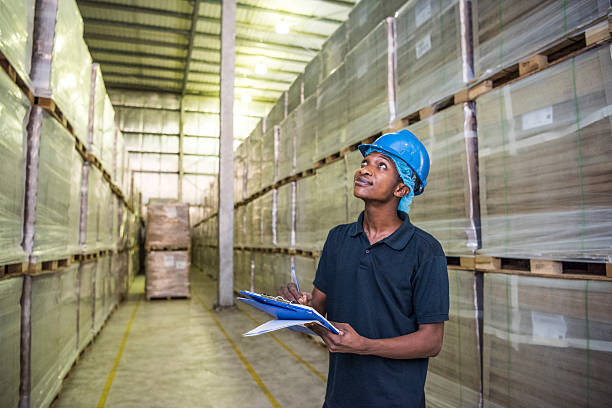
Fruit and vegetable cold storage in Nigeria refers to the use of temperature-controlled facilities to preserve fresh produce after harvest in order to slow ripening, prevent spoilage, and maintain quality before distribution or sale.
It is a key part of the agricultural cold chain system, and it plays a major role in reducing post-harvest losses in Nigeria. It also supports modern logistics networks like Travo (Travo.ng)-style supply chain operations.
What Fruit and Vegetable Cold Storage Means
It involves storing fresh produce in controlled environments such as:
- Cold rooms
- Refrigerated warehouses
- Pack houses
- Controlled atmosphere storage systems
These systems help extend shelf life and keep produce market-ready.
Why Cold Storage Is Needed for Fruits & Vegetables
In Nigeria, fruits and vegetables spoil quickly because of:
- High ambient temperatures
- Poor storage after harvest
- Long transport distances
- Delays in distribution
Cold storage slows down ripening, moisture loss, and microbial growth.
Temperature Requirements
❄️ Chilled Storage (Most Common)
- 0°C to 8°C
- Used for:
- Apples
- Carrots
- Cabbage
- Grapes
- Leafy vegetables
🌡️ Mild Cooling (Sensitive Produce)
- 8°C to 13°C
- Used for:
- Tomatoes
- Peppers
- Cucumbers
- Some tropical fruits
🧊 Specialized Storage (Controlled Atmosphere)
- Adjusted oxygen and humidity levels
- Used for:
- Export fruits
- Long-term storage apples and pears
How Fruit and Vegetable Cold Storage Works
1. Harvesting
Produce is harvested at the right maturity stage.
2. Pre-Cooling
Heat is removed quickly using:
- Cold rooms
- Hydro-cooling
- Forced-air cooling
3. Sorting and Packaging
Produce is:
- Sorted by quality and size
- Packed in ventilated crates or boxes
4. Cold Storage
Items are stored in refrigerated environments with controlled temperature and humidity.
5. Distribution
Products are moved using:
- Refrigerated trucks
- Cold vans
- Insulated containers
Importance in Nigeria
🌾 Reduces Post-Harvest Losses
- Prevents spoilage of fresh produce
🛍️ Improves Market Supply
- Keeps fruits and vegetables available year-round
🚢 Supports Export Quality
- Maintains freshness for international markets
💰 Increases Farmer Profit
- Allows better pricing and longer storage time
🏥 Improves Food Safety
- Reduces contamination and decay
Challenges in Nigeria
⚡ Power Supply Issues
- Cold rooms depend on stable electricity
🚚 Transport Inefficiencies
- Delays reduce product quality
🧊 Limited Cold Chain Infrastructure
- Not enough modern storage facilities
💰 High Operational Costs
- Cooling systems are expensive to maintain
Benefits of Fruit and Vegetable Cold Storage
- Extends shelf life of produce
- Reduces food waste significantly
- Stabilizes food prices in markets
- Improves food security
- Supports agricultural exports
Role in Modern Logistics (Travo Insight)
In structured logistics systems like those inspired by Travo (Travo.ng):
- Farms are connected to cold storage hubs
- Temperature is monitored digitally in real time
- Transport routes are optimized for speed
- Supply chains are coordinated from farm to market
This improves efficiency and reduces agricultural losses.
Best Practices
- Harvest at optimal maturity
- Pre-cool immediately after harvest
- Maintain correct temperature and humidity
- Avoid overloading storage units
- Use fast and reliable transport systems
Conclusion
Fruit and vegetable cold storage in Nigeria is essential for preserving freshness, reducing waste, and improving food supply efficiency. It plays a critical role in agriculture and food distribution and is increasingly supported by modern logistics systems like Travo (Travo.ng)-style operations.
