


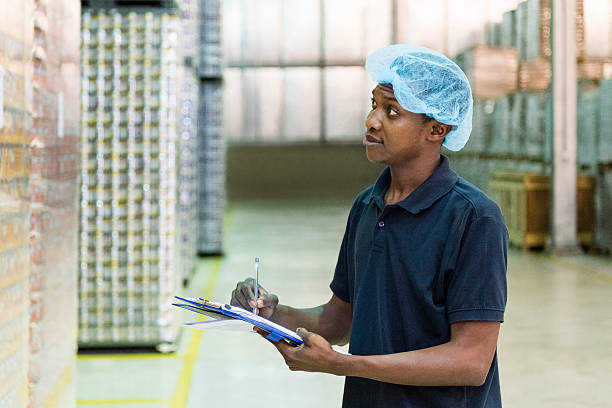
Temperature-controlled pharmaceutical transport refers to the movement of medicines, vaccines, and other medical products under strictly regulated temperature conditions to ensure they remain safe, stable, and effective from origin to destination.
It is a critical part of pharmaceutical cold chain logistics, widely used in Nigeria for hospitals, pharmacies, and national health programs. It also aligns with modern logistics systems such as Travo (Travo.ng)-style supply chain operations.
What It Means
It involves transporting pharmaceutical products while maintaining:
- Controlled temperature environments
- Continuous monitoring during transit
- Proper handling and packaging
- Fast and secure delivery
Temperature Ranges Used in Pharma Transport
❄️ Standard Cold Chain (Most Common)
- 2°C to 8°C
- Used for:
- Vaccines
- Insulin
- Injectable drugs
- Biologics
🧊 Ultra-Cold Chain (Special Medicines)
- -20°C to -80°C
- Used for:
- Advanced vaccines
- Gene-based therapies
- Highly sensitive biologics
🌡️ Controlled Room Temperature
- 15°C to 25°C
- Used for:
- Tablets
- Capsules
- Syrups (non-sensitive)
How Temperature-Controlled Pharma Transport Works
1. Packaging at Source
Medicines are packed using:
- Insulated containers
- Cold boxes
- Gel ice packs
- Temperature data loggers
2. Cold Storage Holding
Products are stored in certified pharmaceutical warehouses before dispatch.
3. Refrigerated Transport
Movement is done using:
- Refrigerated trucks (reefers)
- Cold vans
- Medical courier systems
4. Monitoring in Transit
Temperature is tracked using:
- Digital sensors
- GPS tracking systems
- Data loggers
5. Delivery to Healthcare Facilities
Products are delivered to:
- Hospitals
- Pharmacies
- Clinics
- Immunization centers
Why It Is Important in Nigeria
🏥 Protects Patient Health
- Ensures medicines remain effective
💉 Supports Vaccination Programs
- Critical for immunization campaigns
🌡️ Prevents Drug Degradation
- Heat can destroy active ingredients
🚚 Improves Healthcare Delivery
- Enables nationwide distribution
Challenges in Nigeria
⚡ Power Instability
- Affects cold storage systems
🚦 Traffic Delays
- Impacts delivery timing in cities like Lagos
🧊 Limited Infrastructure
- Not enough certified pharma cold chain facilities
💰 High Operational Costs
- Refrigeration and logistics are expensive
Benefits of Temperature-Controlled Pharma Transport
- Maintains drug safety and effectiveness
- Reduces medical waste
- Strengthens healthcare systems
- Supports emergency response delivery
- Improves access to essential medicines
Role in Modern Logistics (Travo Insight)
In advanced logistics systems like those inspired by Travo (Travo.ng):
- Pharmaceutical shipments are tracked in real time
- Temperature data is continuously monitored
- Cold storage and transport are fully integrated
- Routes are optimized for speed and safety
This improves reliability and reduces risk in medicine distribution.
Best Practices
- Maintain strict temperature ranges (especially 2°C–8°C)
- Use certified cold chain packaging
- Monitor temperature throughout transit
- Avoid delays during handling
- Train staff on pharmaceutical logistics standards
Conclusion
Temperature-controlled pharmaceutical transport in Nigeria is essential for ensuring that medicines and vaccines remain safe and effective throughout the supply chain. It plays a vital role in public health and continues to improve through modern cold chain systems and logistics models like Travo (Travo.ng)-style operations.
