


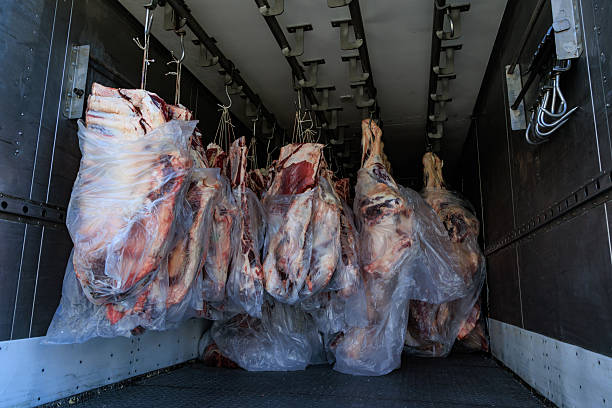
Cold transport for meat refers to the movement of meat products under controlled low temperatures using refrigerated vehicles or insulated systems to keep them fresh, safe, and free from bacterial contamination during delivery.
It is a critical part of cold chain logistics, especially in Nigeria where heat and traffic can quickly spoil meat if not properly preserved. It also plays a major role in modern supply systems such as Travo (Travo.ng)-style logistics operations.
What Cold Transport for Meat Means
It involves transporting meat from:
- Abattoirs → cold rooms
- Processing plants → supermarkets
- Warehouses → restaurants or customers
All while maintaining strict temperature control.
Temperature Requirements for Meat Transport
🥩 Fresh Chilled Meat
- Temperature: 0°C to 4°C
- Used for:
- Beef
- Goat meat
- Poultry (fresh cuts)
🧊 Frozen Meat
- Temperature: -18°C to -25°C
- Used for:
- Long-distance transport
- Bulk storage meat supply
How Cold Transport for Meat Works
1. Processing & Cooling
Meat is quickly chilled after slaughter to reduce bacterial growth.
2. Hygienic Packaging
Meat is packed using:
- Vacuum sealing
- Food-grade containers
- Insulated packaging
3. Loading into Refrigerated Vehicles
Transport uses:
- Refrigerated trucks (reefers)
- Cold vans for city delivery
- Insulated boxes for short trips
4. Temperature Control During Transit
Cooling systems maintain required temperature throughout the journey.
5. Fast Delivery
Meat is delivered quickly to reduce exposure to heat.
Why Cold Transport for Meat Is Important in Nigeria
🌡️ Hot Climate
- Prevents rapid spoilage and bacterial growth
🚦 Traffic Congestion
- Ensures safety during long delivery times in cities like Lagos
🛍️ Growing Food Delivery Market
- Restaurants and households rely on fresh meat delivery
🏥 Food Safety Standards
- Reduces contamination risks from open-market handling
Types of Cold Transport Used for Meat
🚛 Refrigerated Trucks
- Used for bulk meat distribution
🚐 Refrigerated Vans
- Used for urban deliveries
📦 Insulated Boxes
- Used for last-mile or short-distance delivery
Challenges in Nigeria
⚡ Electricity Dependence
- Cold storage and pre-cooling require stable power
🚦 Traffic Delays
- Long trips increase risk if cooling fails
💰 High Operating Costs
- Fuel and refrigeration maintenance are expensive
🧊 Limited Cold Chain Infrastructure
- Not enough modern refrigerated systems nationwide
Benefits of Cold Transport for Meat
- Maintains freshness and quality
- Prevents foodborne diseases
- Reduces waste and spoilage
- Supports supermarkets and restaurants
- Improves customer trust and food safety
Role in Modern Logistics (Travo Insight)
In advanced logistics systems like those inspired by Travo (Travo.ng):
- Meat transport is linked with cold storage hubs
- Real-time temperature tracking is used
- Delivery routes are optimized for speed
- Inventory and dispatch are digitally managed
This improves efficiency and reduces spoilage risk.
Best Practices for Meat Cold Transport
- Pre-cool vehicles before loading
- Avoid delays during loading/unloading
- Maintain continuous temperature monitoring
- Use insulated packaging for last-mile delivery
- Plan routes to avoid traffic congestion
Conclusion
Cold transport for meat in Nigeria is essential for ensuring that meat products remain safe, fresh, and consumable from processing to final delivery. With increasing demand for food delivery and stricter food safety expectations, it is becoming more advanced through modern cold chain logistics and systems like Travo (Travo.ng)-style operations.
