


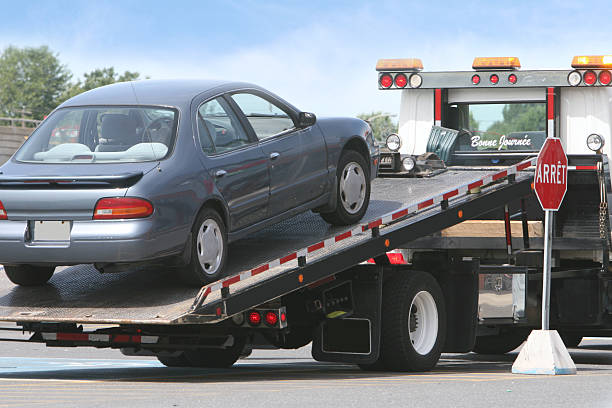
Towing a car means moving a disabled or broken-down vehicle by pulling or transporting it using another vehicle, usually a tow truck, recovery van, or flatbed truck.
It is commonly used when a car cannot move on its own due to mechanical failure, accidents, or illegal parking situations.
When a Car Needs Towing
A vehicle may need towing if:
- Engine breakdown (car won’t start)
- Accident damage
- Transmission or clutch failure
- Severe overheating
- Flat tyres with no spare available
- Electrical system failure
- Vehicle stuck in mud, sand, or ditch
Types of Car Towing
1. Flatbed Towing
- Car is lifted completely onto a truck
- Safest method
- Ideal for luxury or damaged vehicles
2. Wheel-Lift Towing
- Front or rear wheels lifted off the ground
- Common for short-distance towing
3. Hook and Chain Towing
- Older method (less used now)
- Can cause damage to the vehicle
4. Winch Recovery
- Used for stuck vehicles (mud, ditch, off-road)
- Pulled out using a cable system
5. Heavy-Duty Towing
- Used for buses, trucks, trailers
- Requires powerful recovery trucks
How Car Towing Works
1. Assessment
- Breakdown or accident is evaluated
- Safe towing method is chosen
2. Securing the Vehicle
- Car is attached or loaded onto towing truck
- Safety chains and straps are used
3. Transport
- Vehicle is moved to:
- Workshop
- Home
- Police yard (if required)
Cost of Towing a Car in Nigeria (2026 Estimate)
1. Short Distance (Within City)
- ₦10,000 – ₦30,000
2. Medium Distance
- ₦30,000 – ₦80,000
3. Long Distance / Inter-state
- ₦80,000 – ₦250,000+
4. Heavy Vehicles (Trucks/Buses)
- ₦150,000 – ₦500,000+
Factors That Affect Towing Cost
- Distance covered
- Vehicle size and weight
- Type of towing truck used
- Road conditions (traffic, rough terrain)
- Time of service (night or emergency)
- Accident severity
Difference Between Towing and Vehicle Recovery
| Towing | Vehicle Recovery |
|---|---|
| Simple transport | Full rescue operation |
| Vehicle is accessible | Vehicle may be stuck or crashed |
| Usually flatbed or wheel lift | May include winching or crane |
| Less complex | More complex |
Risks of Improper Towing
- Transmission damage
- Suspension misalignment
- Body scratches or dents
- Brake system damage
- Unsafe road handling
Towing for Logistics & Fleet Vehicles
For logistics companies in Nigeria, towing is important because:
- Vehicles break down during delivery routes
- Helps maintain service continuity
- Reduces cargo delays
- Supports emergency fleet recovery
- Ensures driver safety
Many fleet operators use 24/7 towing partnerships or internal recovery trucks.
Safety Tips During Towing
- Ensure hazard lights are on
- Remove valuables from the vehicle
- Confirm towing method is suitable
- Avoid unsafe roadside loading
- Use licensed towing services
Conclusion
Towing a car is an essential roadside service in Nigeria used to move disabled vehicles safely to a repair location. Whether for private drivers or logistics fleets, proper towing prevents further damage and ensures road safety.
