


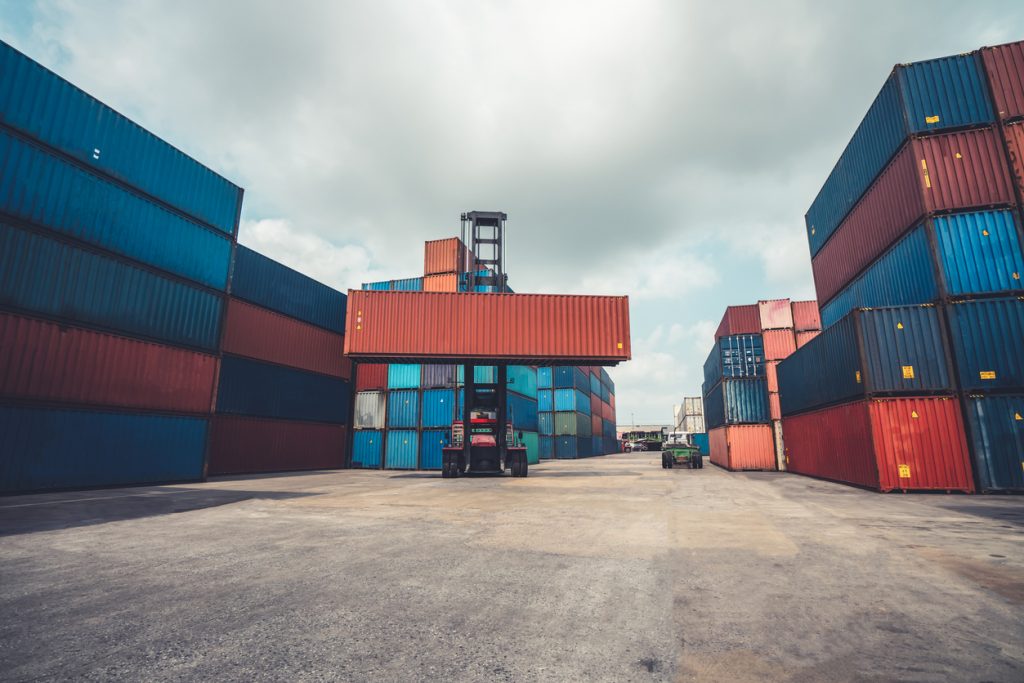
Equipment transportation in Nigeria refers to the movement of heavy, oversized, or specialized machinery and equipment from one location to another. This is common in industries like construction, oil & gas, mining, agriculture, manufacturing, and power generation.
It involves careful handling, specialized trucks, permits, and sometimes escort services due to the size and weight of the cargo.
What Equipment Transportation Means
It is the logistics process of moving:
- Heavy machinery (bulldozers, excavators, cranes)
- Industrial equipment (factory machines, generators)
- Agricultural equipment (tractors, harvesters)
- Oil & gas equipment (drilling rigs, pipes)
- Construction materials and oversized loads
Types of Equipment Transport in Nigeria
1. Heavy Equipment Transport
- Bulldozers, cranes, excavators
- Requires low-bed trailers and strong trucks
2. Industrial Equipment Transport
- Factory machines and production lines
- Used in manufacturing and FMCG industries
3. Oil & Gas Equipment Transport
- Drilling tools and refinery equipment
- Highly regulated and security-sensitive
4. Construction Equipment Transport
- Cement mixers, graders, loaders
- Used in infrastructure and road projects
5. Agricultural Equipment Transport
- Tractors and harvesters
- Movement between farms and storage facilities
How Equipment Transportation Works in Nigeria
- Equipment is prepared for loading (sometimes dismantled)
- Special trucks or trailers are assigned
- Permits for oversized cargo are obtained
- Equipment is loaded using cranes or forklifts
- Transport occurs via road (main method)
- Delivery is made to construction sites or facilities
Equipment Used for Transportation
1. Low-Bed Trailers
- For very heavy machinery
- Keeps equipment stable and low to the ground
2. Flatbed Trucks
- Used for medium-sized equipment
- Flexible loading and unloading
3. Heavy-Duty Trucks
- For industrial cargo and machinery
- Long-distance transport
4. Crane Trucks
- For loading and unloading heavy equipment
- Used on construction sites
Top Equipment Transportation Companies in Nigeria
1. Julius Berger Logistics
- Heavy construction equipment transport
- Infrastructure and engineering logistics
- Strong presence in major construction projects
2. Dangote Logistics
- Industrial equipment and heavy cargo transport
- Nationwide fleet operations
- Supports cement and manufacturing industries
3. BUA Logistics
- Construction and industrial machinery transport
- Heavy-duty haulage operations
4. Intels Nigeria
- Oil & gas equipment logistics
- Port handling and offshore equipment transport
Intels Nigeria
5. SIFAX Group
- Port-to-site equipment movement
- Heavy cargo handling and logistics support
SIFAX Group
6. DB Schenker Nigeria
- International heavy equipment logistics
- Industrial supply chain services
7. Red Star Express (Heavy Freight Division)
- Industrial cargo and machinery transport
- Corporate logistics solutions
Red Star Express
Benefits of Equipment Transportation Services
1. Safe Handling of Heavy Machinery
Reduces damage risks during movement.
2. Supports Industrial Projects
Enables construction and factory operations.
3. Specialized Logistics Expertise
Handled by trained operators and engineers.
4. Nationwide Coverage
Equipment can be moved across all Nigerian states.
5. Time Efficiency
Ensures projects are not delayed due to equipment relocation.
Challenges in Equipment Transportation in Nigeria
- Poor road infrastructure
- High fuel and transport costs
- Permit and regulatory delays
- Limited availability of heavy-duty trailers
- Security risks on highways
- Traffic congestion in urban areas
Equipment Transport vs General Cargo Transport
| Equipment Transport | General Cargo Transport |
|---|---|
| Heavy machinery | Packaged goods |
| Requires special trailers | Regular trucks/vans |
| Permit required | No special permits |
| High risk handling | Standard handling |
Importance in Nigeria’s Economy
Equipment transportation is essential because it:
- Supports construction and infrastructure development
- Powers oil & gas operations
- Enables industrial manufacturing
- Facilitates agricultural mechanization
- Drives national economic development
How It Improves Supply Chains
- Ensures timely delivery of machinery
- Reduces downtime in industrial projects
- Improves project execution speed
- Supports large-scale development projects
- Enhances operational efficiency in industries
How Travo.ng Fits Into Equipment Transportation Ecosystems
Equipment transport requires specialized fleet coordination and project logistics planning, while platforms like Travo handle dispatch, routing, and operational coordination.
Travo.ng supports operations through:
- Heavy-duty truck and trailer dispatch coordination
- Project-based equipment movement planning
- Construction site logistics support
- Inter-state machinery transport scheduling
- Fleet allocation for oversized cargo
- Real-time tracking and logistics coordination
This ensures equipment moves safely and efficiently across Nigeria’s industrial projects.
Conclusion
Equipment transportation in Nigeria is a critical logistics segment that supports construction, oil & gas, manufacturing, and agriculture. It ensures heavy machinery and industrial tools are moved safely and efficiently across the country.
