


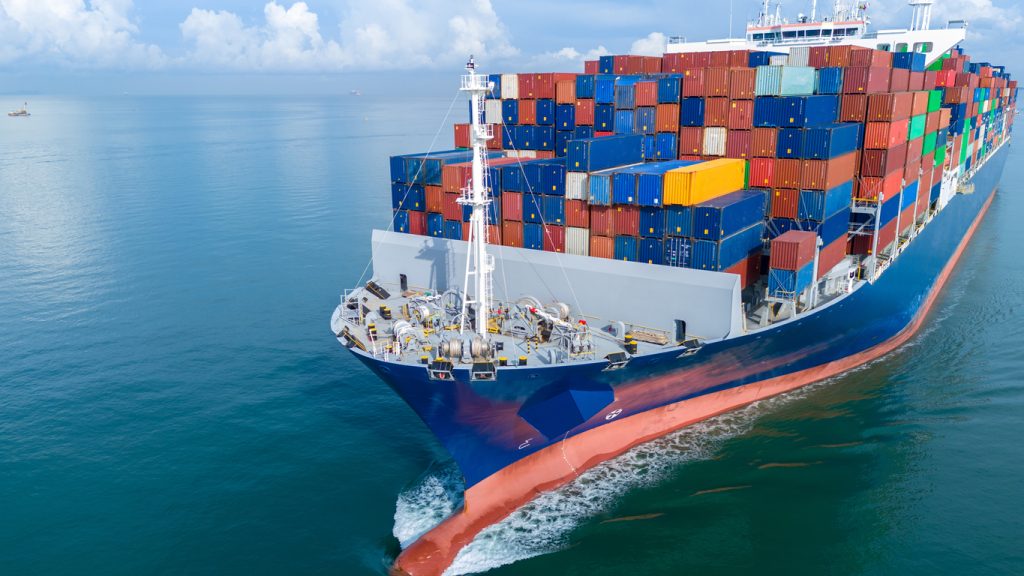
Bulk cargo transport in Nigeria refers to the movement of large quantities of unpackaged goods or heavy materials such as cement, grains, fuel, chemicals, steel, and industrial raw materials using trucks, tankers, ships, or rail.
It is a core part of Nigeria’s logistics system, especially for construction, manufacturing, agriculture, oil & gas, and import/export trade.
What Bulk Cargo Transport Means
Bulk cargo transport involves moving goods in large volumes rather than individual packages or parcels. These goods are usually:
- Loose (grains, sand, minerals)
- Liquid (fuel, chemicals, oil)
- Heavy industrial materials (steel, cement)
Types of Bulk Cargo in Nigeria
1. Dry Bulk Cargo
- Cement
- Grains (rice, maize, wheat)
- Fertilizer
- Minerals and ores
2. Liquid Bulk Cargo
- Petroleum products (diesel, petrol, kerosene)
- Industrial chemicals
- Edible oils
3. Break Bulk Cargo
- Steel rods and pipes
- Machinery and equipment
- Construction materials
How Bulk Cargo Transport Works in Nigeria
- Cargo is produced or imported (often through Lagos ports)
- Goods are loaded into specialized trucks, tankers, or containers
- Transport is arranged via haulage companies
- Cargo is moved to warehouses, factories, or distribution centers
- Unloading and storage are done at destination points
Modes of Bulk Cargo Transport
1. Road Transport
- Most common in Nigeria
- Uses trucks, trailers, and tankers
- Flexible but affected by road conditions
2. Sea Freight
- Used for importing/exporting bulk goods
- Containerized or loose bulk shipping
- Via Apapa and Tin Can Island ports
3. Rail Transport (Limited)
- Used for cement, minerals, and agricultural goods
- Lower cost but limited coverage
4. Inland Waterways (Emerging)
- Movement via rivers and coastal routes
- Still developing in Nigeria
Top Bulk Cargo Transport Companies in Nigeria
1. Dangote Logistics
One of the largest bulk transport operators in Nigeria.
- Cement and industrial materials transport
- Large fleet of trucks and tankers
- Nationwide distribution network
2. BUA Logistics
- Cement and construction material transport
- Bulk haulage operations across Nigeria
- Industrial supply chain support
3. Flour Mills of Nigeria Logistics
- Agricultural and FMCG bulk transport
- Food supply chain distribution
- Nationwide warehouse network
4. Larfarge Africa Logistics
- Cement and construction material haulage
- Industrial bulk transport operations
- Strong distribution network
5. MRS Oil Nigeria Logistics
- Petroleum product transportation
- Fuel tanker operations
- Nationwide fuel distribution
6. Oando Logistics
- Oil and gas bulk transport
- Petroleum distribution and storage
- Energy logistics solutions
7. Honeywell Flour Mills Logistics
- Grain and food product transportation
- FMCG bulk distribution network
8. Intels Nigeria
- Industrial and oil & gas bulk logistics
- Port handling and heavy cargo transport
Intels Nigeria
Benefits of Bulk Cargo Transport
1. Economies of Scale
Lower cost per unit of goods transported.
2. Efficient Supply Chains
Moves large volumes quickly for industries.
3. Supports Industrial Growth
Essential for manufacturing and construction.
4. Nationwide Distribution
Ensures availability of essential goods.
5. Import/Export Efficiency
Handles large shipments from ports.
Challenges in Bulk Cargo Transport in Nigeria
- Poor road infrastructure
- High fuel and maintenance costs
- Port congestion delays
- Truck availability shortages
- Security risks on highways
- Regulatory bottlenecks
Bulk Cargo vs General Cargo
| Bulk Cargo | General Cargo |
|---|---|
| Large volumes | Small packages |
| Unpackaged goods | Packaged goods |
| Trucks/tankers/ships | Couriers and vans |
| Industrial supply chains | Retail delivery |
Importance in Nigeria’s Economy
Bulk cargo transport is critical because it:
- Supports energy and oil distribution
- Drives construction and infrastructure projects
- Enables food security through grain transport
- Powers FMCG supply chains
- Facilitates import/export trade
How It Improves Supply Chains
- Reduces production delays
- Ensures steady raw material supply
- Supports large-scale manufacturing
- Improves national distribution efficiency
- Enhances trade competitiveness
How Travo.ng Fits Into Bulk Cargo Ecosystems
Bulk cargo transport requires large-scale fleet coordination and logistics execution, while platforms like Travo manage dispatch, routing, and transport optimization.
Travo.ng supports operations through:
- Bulk truck and tanker dispatch coordination
- Port-to-warehouse cargo movement planning
- Industrial freight scheduling
- Fleet utilization for haulage companies
- Inter-state bulk distribution logistics
- Real-time cargo tracking support
This ensures bulk goods move efficiently across Nigeria’s industrial and trade networks.
Conclusion
Bulk cargo transport in Nigeria is a vital part of the economy, supporting industries like oil & gas, construction, agriculture, and manufacturing. It ensures large-scale goods move efficiently from ports and production centers to markets nationwide.
