


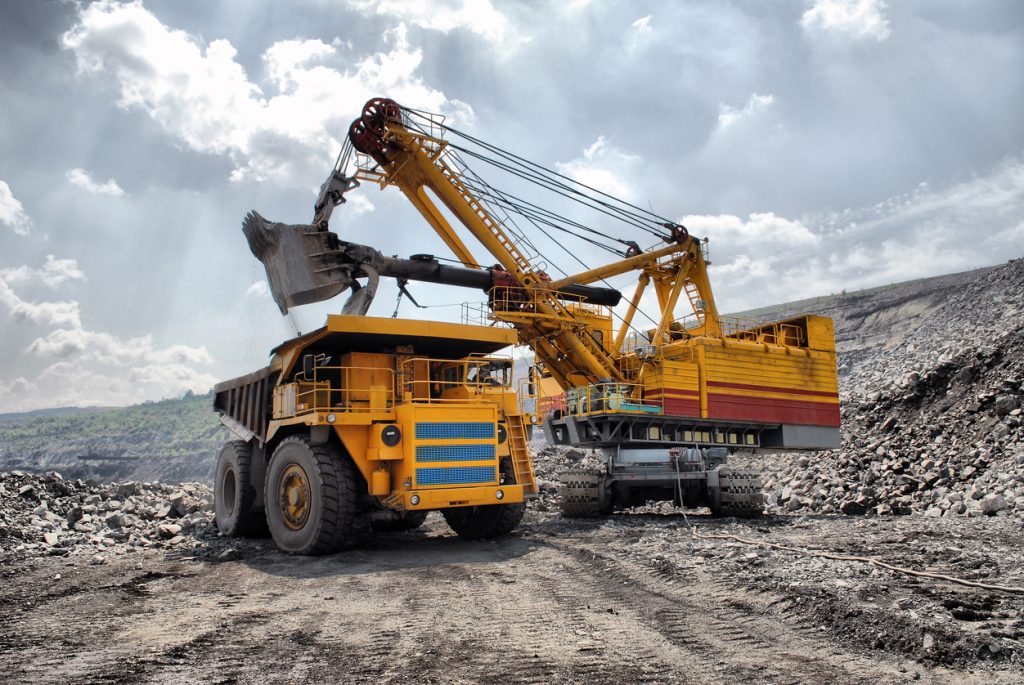
Construction equipment management software is a digital system used to track, maintain, and optimize the use of construction machinery such as excavators, bulldozers, cranes, loaders, and generators. It helps construction companies reduce downtime, control costs, and improve equipment productivity across multiple sites.
It is widely used in infrastructure projects, real estate development, road construction, and heavy engineering operations.
What Construction Equipment Management Software Does
It helps companies:
- Track equipment location and usage
- Schedule maintenance and servicing
- Monitor fuel consumption and efficiency
- Manage equipment rental and allocation
- Record repair history and costs
- Prevent equipment theft or misuse
- Improve utilization across multiple projects
Key Features
1. Equipment Tracking
- Real-time location monitoring (GPS-enabled systems)
- Site-based equipment visibility
- Usage history per machine
2. Preventive Maintenance Scheduling
- Automatic service reminders
- Maintenance based on engine hours or usage cycles
- Reduced breakdown risk
3. Work Order and Repair Management
- Assign repair tasks to technicians
- Track maintenance progress
- Log repair history per equipment
4. Fuel and Performance Monitoring
- Fuel consumption tracking
- Detection of wastage or misuse
- Efficiency analysis per machine
5. Equipment Utilization Tracking
- Shows idle vs active equipment
- Helps optimize deployment across sites
- Reduces underused assets
6. Cost Management
- Tracks maintenance and operational costs
- Compares cost per machine or project
- Helps improve budgeting accuracy
7. Inventory and Spare Parts Management
- Tracks spare parts usage
- Alerts for low inventory
- Prevents delays in repairs
Benefits of Construction Equipment Management Software
1. Reduced Downtime
Machines are serviced before failure occurs.
2. Lower Operating Costs
Better maintenance and fuel control reduce expenses.
3. Improved Project Efficiency
Equipment is always available when needed.
4. Longer Equipment Lifespan
Proper maintenance extends machine durability.
5. Better Asset Utilization
Ensures no equipment sits idle unnecessarily.
Types of Construction Equipment Management Systems
1. Basic Systems
- Manual tracking
- Maintenance logs
- Simple scheduling tools
2. GPS-Enabled Equipment Tracking Systems
- Real-time machine location
- Usage monitoring
- Theft prevention
3. Enterprise Construction Fleet Platforms
- AI-based predictive maintenance
- Multi-site equipment coordination
- Integration with ERP systems
- Advanced analytics dashboards
Examples:
- Tenna
- HCSS Equipment360
- Dozr
- Trimble Construction
- Autodesk Construction Cloud
Who Uses It
- Construction companies
- Civil engineering firms
- Road and highway contractors
- Mining companies
- Oil and gas infrastructure projects
- Equipment rental companies
Why It Is Important in Nigeria and Africa
Construction equipment management software is valuable because it helps solve:
- High equipment breakdown rates
- Expensive repairs and spare parts
- Equipment theft and misplacement
- Poor maintenance practices
- Inefficient usage across multiple project sites
Challenges Without Equipment Management Software
- Frequent machinery downtime
- High fuel and maintenance costs
- Poor visibility of equipment location
- Delayed construction projects
- Equipment underutilization
Construction Equipment vs Fleet Management
| Construction Equipment Management | Fleet Management |
|---|---|
| Focus on heavy machinery | Focus on vehicles |
| Site-based tracking | Road transport tracking |
| Usage hours monitoring | Mileage-based tracking |
| Construction projects | Logistics and transport operations |
How It Improves Construction Operations
- Ensures machines are available when needed
- Reduces project delays
- Improves cost control
- Enhances equipment accountability
- Optimizes resource allocation across sites
How Travo.ng Fits Into Construction Logistics Ecosystems
Construction equipment software handles machine tracking and maintenance, while logistics platforms manage movement and coordination of materials and assets.
Travo.ng supports operations through:
- Heavy equipment transport coordination
- Site-to-site logistics planning
- Cargo and material movement support
- Fleet dispatch for construction projects
- Equipment relocation logistics across regions
- Project-based transport execution
This ensures construction projects run smoothly from equipment readiness to on-site delivery and logistics support.
Conclusion
Construction equipment management software is essential for modern construction operations. It improves efficiency, reduces downtime, and ensures heavy machinery is used effectively across multiple projects.
