


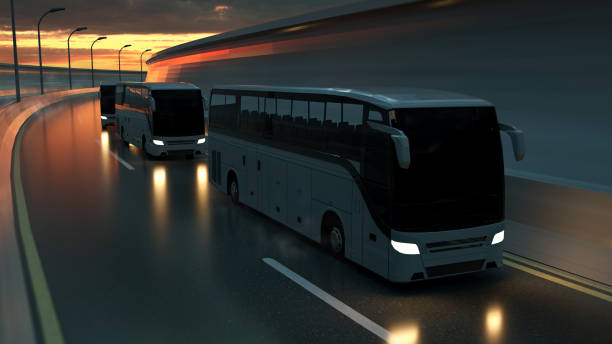
Safe transport in Nigeria depends on choosing reliable operators, verified drivers, secure routes, and the right mode of travel for your situation. Because safety levels vary across cities and transport systems, it’s important to understand the most dependable options available for daily movement, intercity travel, and business logistics.
1. Ride-Hailing Services (Urban Safety Option)
Ride-hailing is one of the safest ways to move around major cities like Lagos, Abuja, and Port Harcourt when used correctly.
Common options include:
- Uber
- Bolt
- inDrive (use with caution due to driver verification differences)
Why it’s considered safer:
- GPS-tracked trips
- Driver identity verification
- Cashless payment options
- Trip sharing with contacts
- Rating and review systems
Best use cases:
- Short city trips
- Night movement (with caution)
- Airport transfers
- Business meetings
2. Private Chauffeur Services (High-Safety Option)
Private chauffeur services offer a higher level of safety and comfort.
Features:
- Verified professional drivers
- Pre-booked rides
- Luxury or executive vehicles
- Route planning and monitoring
- Optional security add-ons
Best use cases:
- Airport transfers
- Corporate travel
- VIP movement
- Events and weddings
This is generally safer than public ride-hailing due to stricter vetting and controlled operations.
3. Intercity Transport Companies (Long-Distance Safety)
For travel between states, use established transport companies rather than informal buses.
Examples of structured operators include:
- ABC Transport
- GUO Transport
- God is Good Motors (GIGM)
- Chisco Transport
Safety features:
- Terminal-based boarding (not roadside pickup)
- Passenger manifests
- Speed regulation systems
- Professional drivers
- Night travel control in some cases
Best use cases:
- Lagos ↔ Abuja travel
- Inter-state business trips
- Student travel
4. Airport Transfer Services (Controlled Movement)
Airport-specific transport is generally safer due to structured environments.
Options include:
- Pre-booked taxis
- Chauffeur services
- Hotel-arranged pickups
Safety benefits:
- Fixed pickup points
- Verified drivers
- Reduced exposure to street-level negotiation
- Luggage assistance and monitoring
5. Corporate Fleet and Logistics Transport
For businesses and staff movement, company-managed fleets are among the safest options.
Features:
- Dedicated drivers
- Route supervision
- Vehicle maintenance control
- Internal tracking systems
This is common in banks, oil & gas firms, and large logistics companies.
6. Logistics-Based Transport (Cargo + Passenger Safety Systems)
Some logistics companies also offer structured movement for goods and personnel.
These systems include:
- GPS tracking
- Dispatch control systems
- Verified fleet operators
- Route optimization tools
This reduces risks associated with unregulated transport.
7. Security-Enhanced VIP Transport
For high-risk or high-value movement:
- Armored vehicles (specialized providers)
- Security escort services
- Executive protection teams
- Private convoy systems
Used by diplomats, executives, and high-net-worth individuals.
8. Transport Options to Avoid (Higher Risk)
To stay safe, reduce reliance on:
- Unregistered taxis
- Street-hailing at night in unfamiliar areas
- Overcrowded informal buses
- Unverified motorcycle taxis in high-traffic areas
- Random “pick-up” drivers without identification
These options often lack accountability or tracking systems.
Safety Tips for Transport in Nigeria
- Share your trip route with someone
- Avoid late-night travel where possible
- Confirm driver identity before entering vehicle
- Use cashless payment when available
- Stick to known transport companies
- Keep emergency contacts active
- Avoid isolated pickup locations
How Logistics Systems Improve Transport Safety
Modern transport safety increasingly depends on logistics technology:
- GPS tracking of vehicles
- Driver verification systems
- Route monitoring
- Digital dispatch coordination
- Real-time delivery updates
These systems reduce human error and improve accountability.
How Travo.ng Fits Into Safe Transport Systems
Safe transport is not only about vehicles—it is about coordination and execution.
Travo.ng supports safer movement by providing:
- Verified fleet coordination
- Port-to-destination logistics control
- Inland transportation management
- Interstate cargo and delivery execution
- Structured dispatch and tracking systems
- Supply chain coordination for businesses
This improves reliability and reduces exposure to unverified transport risks.
Conclusion
Safe transport in Nigeria depends on choosing structured, trackable, and verified systems. The safest options include ride-hailing services, chauffeur services, intercity transport companies, and logistics-managed fleets.
The more structured and monitored the system, the safer your movement becomes.
