


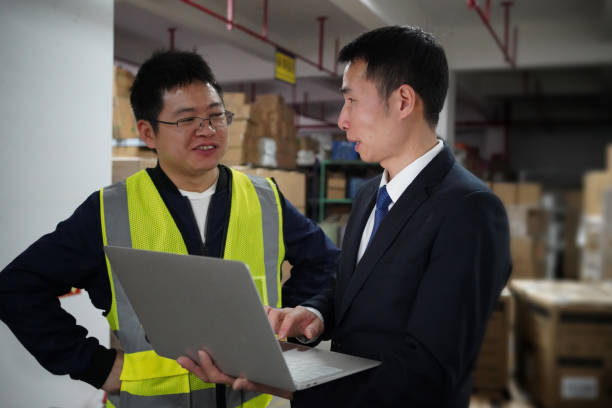
Supplier verification services in China refer to professional checks carried out on manufacturers, wholesalers, and trading companies to confirm that they are legitimate, capable of production, and safe to transact with before placing large international orders. These services are especially important for importers in Nigeria and other African markets where sourcing from China is a major part of trade.
In simple terms, supplier verification is the process of confirming: “Does this factory actually exist, can they deliver what they promise, and are they safe to pay?”
Why Supplier Verification Matters When Importing From China
China is one of the world’s largest manufacturing hubs, but the market also includes:
- Genuine factories
- Trading companies acting as intermediaries
- Small workshops posing as large manufacturers
- Fraudulent suppliers and fake listings
Without verification, importers risk:
- Paying for non-existent goods
- Receiving low-quality or different products
- Delayed or failed shipments
- Loss of capital due to scams
- Regulatory and customs complications
For Nigerian importers, where foreign exchange and shipping costs are already high, one bad supplier decision can wipe out profit margins.
What Supplier Verification Services Actually Check
1. Business Legitimacy
Verification teams confirm:
- Business registration in China
- Valid operating licenses
- Legal company status
- Export permissions
This ensures the supplier is officially recognized.
2. Factory Existence and Capacity
On-ground or third-party checks confirm:
- Whether the factory actually exists
- Production capacity and machinery
- Workforce size and capability
- Whether they are manufacturers or just trading agents
This prevents “middleman disguise” fraud.
3. Product Quality Assessment
Verification includes:
- Sample inspection
- Quality control standards
- Material consistency checks
- Production accuracy vs. product claims
This helps avoid low-quality shipments.
4. Export Experience and Track Record
Checks include:
- Previous export history
- Experience with international buyers
- Ability to handle shipping documentation
- Compliance with export regulations
5. Financial and Risk Indicators
Some services also assess:
- Business stability
- Risk of fraud or shutdown
- Payment reliability
- Reputation in trade networks
Types of Supplier Verification Services in China
1. Basic Online Verification
- Checks business registration
- Confirms contact details
- Reviews online presence and records
2. On-Site Factory Inspection
- Physical visit to factory location
- Equipment and production verification
- Staff and operational assessment
3. Product Quality Inspection
- Sample testing before shipment
- Production batch inspection
- Quality control reporting
4. Pre-Shipment Inspection
- Final check before goods leave China
- Ensures order matches specifications
- Reduces risk of incorrect shipments
Common Risks in Sourcing Without Verification
Importers often face issues such as:
- Fake suppliers posing as manufacturers
- Incorrect or inferior product shipments
- Delayed production timelines
- Hidden subcontracting without disclosure
- Communication breakdowns after payment
- Loss of deposits or full payments
These risks are especially high in online sourcing platforms when no physical verification is done.
Why Nigerian Importers Depend on Verified Suppliers
For importers in Nigeria, verification is critical because:
- Foreign exchange costs make mistakes expensive
- Shipping timelines are long and costly
- Customs clearance adds additional risk exposure
- Product rejection leads to major financial loss
- Supply chain delays affect business cash flow
A verified supplier reduces uncertainty across the entire import chain.
How Supplier Verification Improves Import Success
Proper verification leads to:
- More reliable product quality
- Fewer shipment disputes
- Faster production timelines
- Better negotiation power with suppliers
- Reduced financial risk
- Stable long-term trade relationships
It turns random sourcing into structured procurement.
Role of Logistics in Supplier Verification
Logistics and sourcing are closely connected:
- Verified suppliers ensure smooth shipping documentation
- Accurate product details reduce customs issues
- Proper packaging standards reduce transit damage
- Reliable production schedules improve freight planning
Without verified suppliers, logistics becomes unpredictable and costly.
How Travo.ng Supports Import Execution After Supplier Selection
Within Nigeria’s logistics ecosystem, Travo.ng supports the operational side of international trade after sourcing decisions are made, helping importers move goods efficiently once shipments arrive.
Travo.ng assists with:
- Cargo movement from ports to warehouses
- Inland transportation and delivery coordination
- Fleet deployment for importers
- Interstate logistics execution
- Business logistics coordination services
- Distribution support for imported goods
This helps importers reduce delays after shipment arrival and maintain smoother supply chain flow.
The Future of Supplier Verification in Global Trade
Supplier verification is becoming more advanced through:
- AI-driven supplier screening tools
- Digital factory audits and remote inspections
- Blockchain-based supply chain transparency
- Real-time trade data verification systems
- Integrated sourcing and logistics platforms
As global trade expands, verification will become a standard requirement rather than an optional step.
