


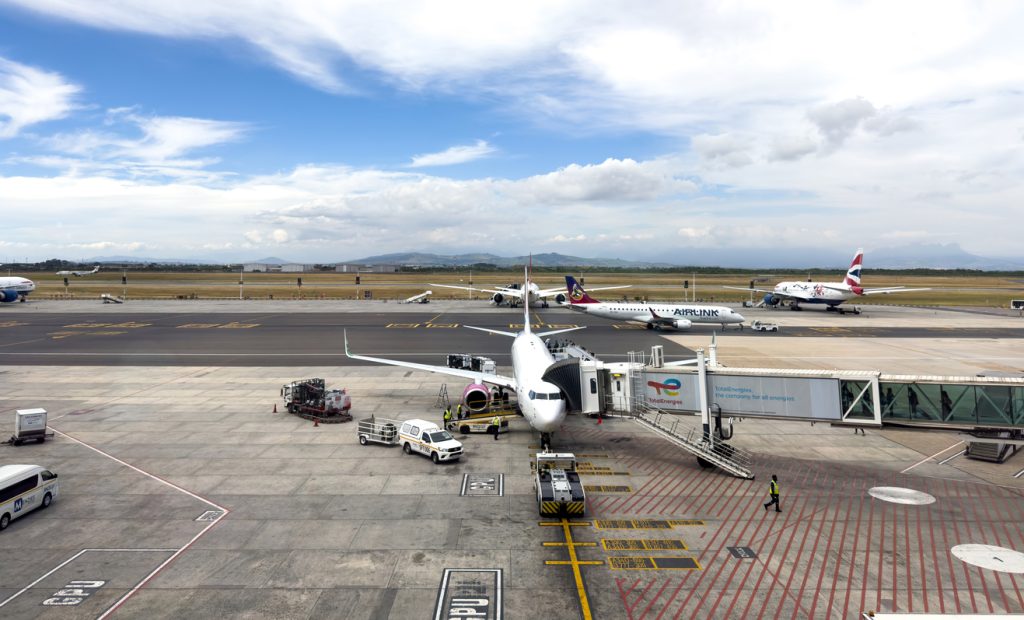
Airline asset management services refer to the professional oversight of an airline’s aircraft fleet and aviation assets to ensure maximum efficiency, safety, regulatory compliance, and profitability. These services focus on managing aircraft not just as transportation tools, but as high-value financial and operational assets.
For airlines, aircraft represent the largest portion of capital investment. Poor asset management leads to high costs, low utilization, and reduced profitability. Effective airline asset management ensures that every aircraft in the fleet contributes positively to operational performance and return on investment (ROI).
What airline asset management services actually mean
Airline asset management services involve the coordinated management of aircraft and related aviation assets across their entire lifecycle.
They include:
- Fleet planning and aircraft acquisition strategy
- Aircraft leasing and financing management
- Maintenance planning and engineering oversight
- Flight operations optimization
- Crew scheduling and resource allocation
- Regulatory compliance and safety management
- Asset performance tracking and financial reporting
In simple terms, they ensure airlines operate efficiently while maximizing the financial value of each aircraft.
Why airline asset management services are important
Airlines operate in a highly competitive and cost-sensitive industry.
Without structured asset management, airlines face:
- High fuel and maintenance costs
- Low aircraft utilization rates
- Inefficient fleet allocation
- Regulatory compliance risks
- Poor scheduling and operational delays
- Reduced profitability and ROI
Asset management ensures operational efficiency and financial stability.
Core components of airline asset management services
1. Fleet planning and aircraft acquisition strategy
Airlines must carefully plan their fleet composition.
This includes:
- Selecting aircraft types based on route demand
- Evaluating fuel efficiency and operating costs
- Forecasting passenger and cargo demand
- Balancing short-haul and long-haul fleet needs
- Planning fleet expansion or replacement
Proper planning reduces long-term operational costs.
2. Aircraft leasing and financing management
Most airlines use a mix of owned and leased aircraft.
Management includes:
- Dry lease and wet lease agreements
- ACMI leasing structures
- Aircraft financing and loan management
- Lease renewal and renegotiation strategies
- Cost-benefit analysis of ownership vs leasing
This ensures financial flexibility and reduced capital burden.
3. Maintenance, repair, and overhaul (MRO) coordination
Aircraft safety and reliability depend on strict maintenance systems.
This includes:
- Scheduled maintenance planning (A-checks, C-checks, D-checks)
- Engine maintenance and performance tracking
- Coordination with MRO providers
- Airworthiness certification management
- Aircraft-on-ground (AOG) recovery support
Efficient maintenance reduces downtime and delays.
4. Flight operations and asset utilization optimization
Aircraft must be used efficiently to generate revenue.
Management focuses on:
- Route optimization and scheduling
- Reducing aircraft idle time
- Maximizing flight frequency per aircraft
- Load factor optimization (passenger and cargo)
- Turnaround time reduction at airports
Higher utilization improves profitability.
5. Crew management and workforce optimization
Airline operations depend heavily on crew efficiency.
This includes:
- Pilot and cabin crew scheduling
- Training and certification tracking
- Duty time and fatigue management compliance
- Crew rotation across fleet
- Operational readiness planning
Proper crew management ensures safety and efficiency.
6. Regulatory compliance and safety management
Airlines operate under strict global regulations.
Management ensures:
- Compliance with aviation authorities (ICAO, FAA, EASA)
- Aircraft registration and certification tracking
- Safety management systems (SMS) implementation
- Insurance and liability coverage
- Audit preparation and reporting
Non-compliance can lead to grounding and penalties.
7. Financial reporting and asset performance tracking
Airlines require detailed visibility into fleet performance.
Reports include:
- Cost per available seat kilometer (CASK)
- Revenue per available seat kilometer (RASK)
- Aircraft utilization rates
- Maintenance cost breakdown
- Fuel efficiency metrics
- ROI and profitability per aircraft
This supports strategic decision-making.
Key performance indicators (KPIs)
Airline asset management services are measured using:
- Aircraft utilization rate (flight hours)
- Cost per available seat kilometer (CASK)
- Revenue per available seat kilometer (RASK)
- On-time performance
- Load factor efficiency
- Maintenance downtime percentage
- Return on investment (ROI)
These KPIs define airline performance and competitiveness.
Types of airline asset management models
1. Full fleet management model
- Complete operational control of airline fleet
- Focus on efficiency and profitability
2. Leasing-heavy fleet model
- Majority of aircraft are leased
- Focus on financial flexibility
3. Hybrid ownership model
- Mix of owned and leased aircraft
- Balances capital and operational efficiency
4. Low-cost carrier optimization model
- Focus on maximum aircraft utilization
- Cost minimization and high-frequency operations
Challenges in airline asset management
Airline operations are highly complex.
Common challenges include:
- High fuel and maintenance costs
- Regulatory complexity across regions
- Demand fluctuations in passenger travel
- Aircraft downtime and delays
- Crew shortages and scheduling constraints
- Competitive pricing pressure
These require advanced operational systems and expertise.
Risks of poor airline asset management
Without structured management, airlines may experience:
- Low aircraft utilization
- High operational losses
- Regulatory violations
- Poor on-time performance
- Increased maintenance costs
- Reduced profitability and market competitiveness
Poor management directly affects airline survival.
How airline asset management services improve ROI
When properly implemented, they deliver:
- Optimized fleet utilization
- Reduced operational and maintenance costs
- Improved route efficiency
- Strong regulatory compliance
- Better financial planning and forecasting
- Increased profitability per aircraft
This ensures long-term sustainability.
Technology used in airline asset management
Modern airlines rely on:
- Flight operations management systems (FOMS)
- Aircraft health monitoring systems
- Predictive maintenance tools
- Crew scheduling software
- Revenue management systems
- Real-time analytics dashboards
Technology improves efficiency and decision-making.
Where logistics coordination fits into airline asset management
Even well-managed airline fleets depend on logistics systems.
This includes:
- Passenger baggage handling
- Cargo logistics coordination
- Airport ground operations
- Supply chain integration for air freight
Delays in logistics directly impact airline performance and customer satisfaction.
How Travo.ng supports logistics coordination
While airline asset management services focus on aircraft and fleet optimization, logistics coordination ensures smooth movement of cargo across the supply chain.
Travo.ng supports logistics operations through:
- Cargo consolidation and freight coordination
- Intercity and interstate delivery services
- Port-to-destination logistics support
- Supply chain coordination across Nigeria
- End-to-end logistics execution for cargo movement
This helps reduce inefficiencies that affect airline operations and asset utilization.
Final thoughts
Airline asset management services are essential for ensuring that aircraft fleets operate efficiently, safely, and profitably. Because airlines face high operational costs and strict regulatory requirements, professional asset management is critical for survival and growth.
When properly managed, airline fleets achieve higher utilization, reduced costs, and improved profitability across all routes and operations.
In modern aviation, success is not just about flying aircraft—it is about managing them as high-value assets within a fully optimized operational and financial system.
