


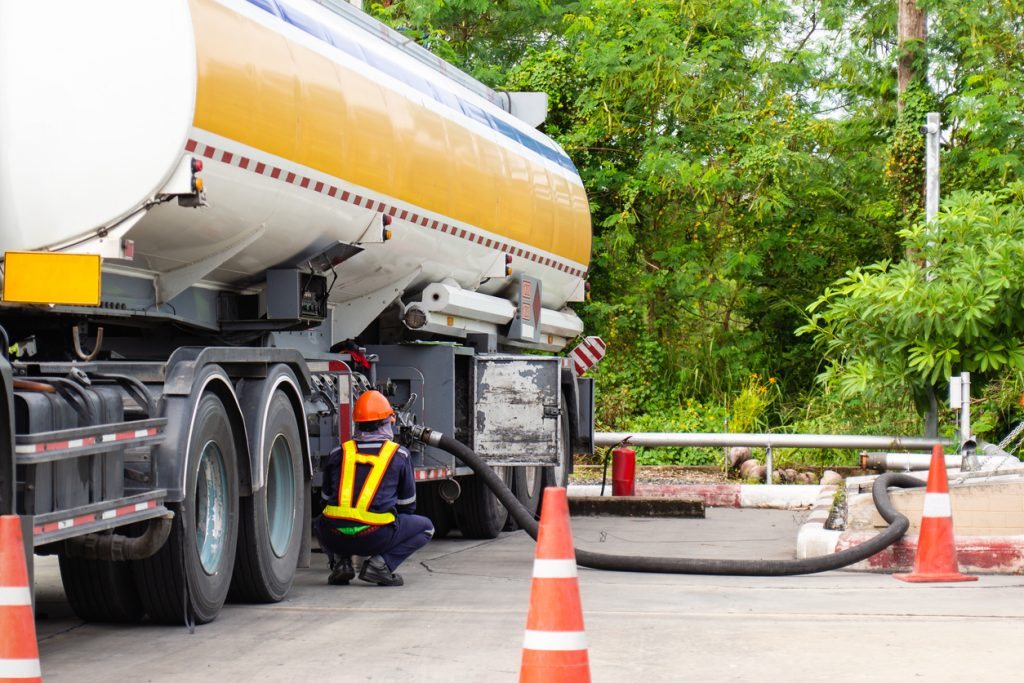
Fuel movement in Nigeria is not something any business should treat casually. Whether it is diesel for a hotel in Lekki, petrol for a fleet operator in Abuja, or industrial fuel supply for a site outside Port Harcourt, safe planning matters from the first pickup point to final storage.
Many businesses search for fuel transportation and storage Nigeria because they are trying to avoid delays, shortages, unsafe handling, and unreliable middlemen. The real challenge is not just moving fuel. It is moving it safely, legally, and on time.
What Makes Fuel Logistics Different From Normal Delivery
Fuel is not like regular cargo. You cannot handle it the same way you would handle parcels, furniture, or food items.
A proper fuel movement plan must consider:
- Approved vehicles or tankers
- Safe loading and offloading points
- Driver experience
- Distance and road condition
- Fire safety precautions
- Storage capacity at the delivery location
- Timing, especially in busy cities like Lagos and Abuja
For example, moving diesel from Apapa to a hotel in Victoria Island may look simple on paper. But traffic, depot delays, bridge restrictions, and offloading access can easily turn a short trip into a full-day operation.
Common Fuel Transportation Routes in Nigeria
Fuel movement happens every day across major commercial corridors. Some of the most active routes include:
- Lagos to Ibadan
- Lagos to Abuja
- Port Harcourt to Aba
- Warri to Benin
- Lagos mainland to Lekki, Ajah, and Epe
- Abuja city centre to estates, hotels, and project sites
Businesses that depend on generators, trucks, machines, or standby power usually cannot afford fuel delivery mistakes. A delayed diesel supply can affect hotel operations, cold rooms, construction sites, event centres, and logistics companies.
This is where organised transport coordination becomes important.
What Businesses Should Check Before Moving Fuel
Before arranging fuel transportation, confirm the basics.
First, know the exact quantity. Moving 500 litres is different from moving 10,000 litres.
Second, check the receiving location. Some sites do not have enough space for large tankers. In places like Lekki Phase 1, Ikeja, Wuse, or GRA Port Harcourt, access roads and parking restrictions may affect delivery timing.
Third, confirm storage readiness. Fuel should not arrive before the receiving tank, drum, or storage system is prepared.
Fourth, work with operators who understand Nigerian road realities. A good logistics partner should think ahead about traffic, route safety, loading delays, and delivery windows.
Safe Fuel Storage Is Just As Important As Transport
Poor storage can waste money and create serious risk.
Businesses should avoid:
- Storing fuel close to open flames
- Using leaking drums or weak tanks
- Mixing old and new fuel carelessly
- Keeping fuel in poorly ventilated areas
- Allowing untrained staff to handle offloading
For small businesses, proper drums and clearly marked storage areas may be enough. For larger operations, fixed tanks, safety signage, and controlled access are better.
Hotels, schools, hospitals, factories, estates, and event centres should treat fuel storage as part of their operational safety plan, not an afterthought.
How Travo.ng Supports Fuel-Related Logistics Needs
Travo.ng helps businesses and individuals coordinate practical transport, delivery, cargo, and logistics services across Nigeria.
For customers dealing with fuel movement, Travo.ng can support related logistics planning such as:
- Transport coordination
- Cargo movement support
- Delivery scheduling
- Business logistics assistance
- Vehicle hire arrangements
- Interstate movement planning
- Site-to-site delivery coordination
The goal is to make movement easier, safer, and better organised. Instead of calling random drivers at the last minute, businesses can work through a more structured service channel.
Typical Situations Where Fuel Logistics Support Is Needed
Fuel transportation and storage support is useful for:
- Hotels that need regular diesel supply
- Construction companies running heavy equipment
- Schools and hospitals managing standby power
- Event planners powering outdoor venues
- Logistics companies fueling fleets
- Estates and facilities using central generators
- Businesses relocating fuel-powered machinery
A company hosting an event in Lagos, for example, may also need vehicle hire, guest transport, equipment delivery, and fuel coordination. Handling these separately often creates confusion. A logistics partner like Travo.ng can help simplify the process.
Mistakes People Make When Arranging Fuel Movement
One common mistake is waiting until the tank is almost empty before booking transport. This usually leads to rushed decisions and higher costs.
Another mistake is focusing only on price. The cheapest option may not have the right vehicle, experience, or safety awareness.
Some businesses also forget to check access at the delivery point. A tanker may arrive, only to discover that the gate, road, or storage area cannot handle the vehicle.
Good planning prevents these issues.
Book Fuel Logistics Support With Better Planning
Fuel transportation and storage in Nigeria requires more than speed. It requires proper coordination, local route knowledge, safety awareness, and reliable communication.
Whether you are managing diesel movement for a business site, arranging cargo logistics, coordinating delivery support, or planning transport across cities, Travo.ng helps make the process smoother.
For practical logistics, delivery, transport, booking, and mobility support in Nigeria, Travo.ng gives customers a reliable way to plan movement with less stress and better control.
