


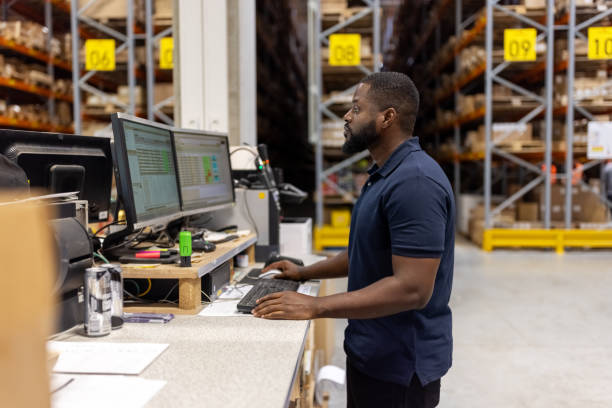
Nigeria’s logistics industry plays a critical role in supporting trade, e-commerce, manufacturing, agriculture, and international commerce. A logistics company helps businesses and individuals move goods efficiently through transportation, warehousing, freight forwarding, customs clearance, and delivery services.
As Nigeria’s economy continues to grow, logistics companies have become essential partners for organizations seeking reliable supply chain solutions across local and international markets.
What Does a Logistics Company in Nigeria Do?
A logistics company manages the movement and storage of goods from the point of origin to the final destination.
Common services include:
- Freight forwarding
- Cargo transportation
- Warehousing and inventory management
- Customs clearance
- Last-mile delivery
- Interstate haulage
- International shipping
- Supply chain management
- Import and export logistics
These services help businesses reduce operational challenges and improve delivery efficiency.
Types of Logistics Services in Nigeria
Freight Forwarding
Freight forwarding companies coordinate the movement of cargo by sea, air, and land. They handle shipping documentation, carrier bookings, customs procedures, and cargo tracking.
Transportation and Haulage
Transportation services move goods across Nigerian cities and regions using trucks, vans, motorcycles, and specialized vehicles.
Common routes include:
- Lagos to Abuja
- Lagos to Port Harcourt
- Lagos to Kano
- Lagos to Onitsha
- Abuja to Kaduna
Warehousing and Distribution
Many logistics companies provide secure storage facilities where goods can be stored before delivery.
Warehousing services may include:
- Inventory management
- Order fulfillment
- Packaging
- Distribution
- Stock monitoring
Customs Clearance
Importers and exporters often rely on logistics companies to process customs documentation and facilitate cargo release at ports and airports.
Last-Mile Delivery
Last-mile delivery focuses on transporting goods from warehouses or distribution centers to final customers.
This service is particularly important for e-commerce businesses and online retailers.
Industries That Use Logistics Companies
Various industries depend on logistics providers, including:
- E-commerce
- Manufacturing
- Agriculture
- Oil and gas
- Construction
- Pharmaceuticals
- Retail and wholesale distribution
- Technology and electronics
Each industry has unique logistics requirements that often require customized solutions.
Major Logistics Hubs in Nigeria
Lagos
Lagos remains the country’s largest logistics hub due to the presence of:
- Apapa Port
- Tin Can Island Port
- Lekki Deep Sea Port
- Murtala Muhammed International Airport
Port Harcourt
Port Harcourt supports industrial logistics and oil and gas operations through nearby maritime facilities and logistics infrastructure.
Abuja
Abuja serves as a strategic distribution center connecting northern and southern Nigeria.
Kano
Kano is an important logistics gateway for trade within Northern Nigeria and neighboring West African markets.
Factors to Consider When Choosing a Logistics Company
When selecting a logistics provider, businesses should evaluate:
Service Coverage
Confirm that the company operates in the locations where you need transportation and delivery services.
Industry Experience
Companies with experience handling your type of cargo are often better equipped to manage operational challenges.
Tracking and Visibility
Modern logistics providers should offer shipment tracking and status updates.
Compliance and Licensing
Verify that the company operates legally and complies with Nigerian logistics regulations.
Customer Support
Responsive customer service can significantly improve the logistics experience.
Challenges Facing Logistics Companies in Nigeria
Despite industry growth, logistics providers face several challenges:
- Traffic congestion
- Port delays
- Fuel price fluctuations
- Infrastructure limitations
- Customs processing delays
- Security concerns on some transportation routes
Successful logistics companies invest in technology, planning, and operational efficiency to overcome these obstacles.
How Travo.ng Helps Businesses Find Logistics Services
Finding reliable logistics providers can be difficult, especially for businesses managing multiple shipments.
Travo.ng helps users:
- Compare logistics service providers
- Access freight and transportation solutions
- Find delivery and haulage services
- Connect with verified logistics companies
- Explore shipping and cargo options across Nigeria
This simplifies the process of identifying suitable logistics partners for different transportation and supply chain requirements.
Conclusion
A logistics company in Nigeria provides essential services that support commerce, trade, and business growth. From freight forwarding and warehousing to customs clearance and delivery, logistics providers play a vital role in ensuring goods move efficiently across local and international markets.
Businesses that choose experienced and reliable logistics partners are often better positioned to improve operational efficiency, reduce delays, and strengthen customer satisfaction.
