


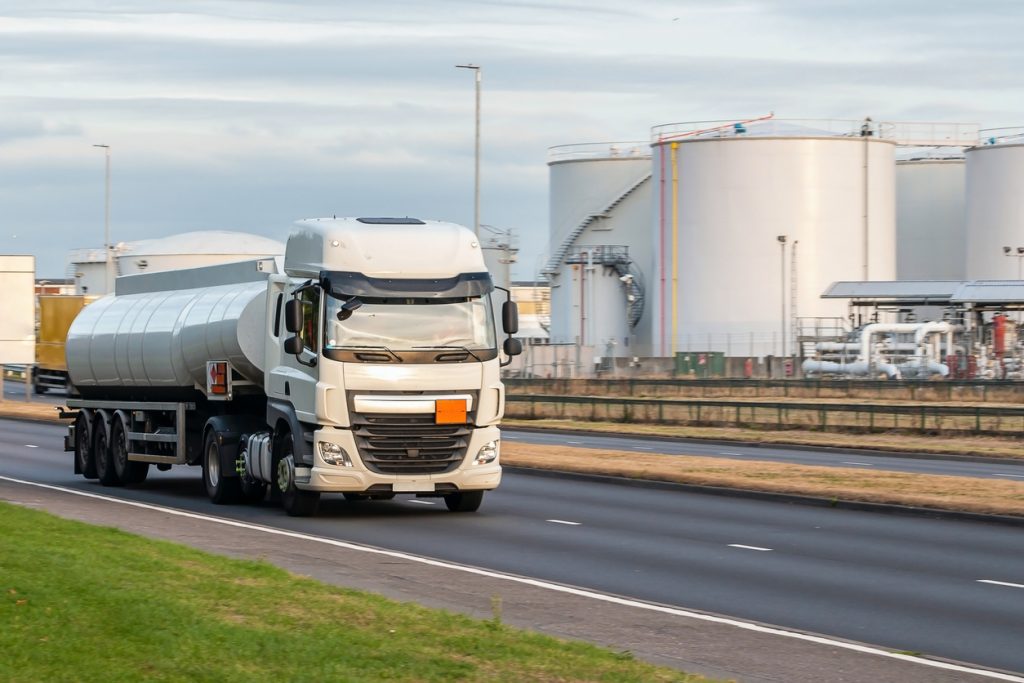
Nigeria’s fuel distribution network depends heavily on road transport. Every day, thousands of litres of petrol, diesel, aviation fuel, and other petroleum products move between depots, tank farms, filling stations, factories, and industrial sites across the country. For many businesses, owning a fleet of fuel tankers is not always the most practical option. This is why working with a reputable fuel truck leasing company in Nigeria has become an increasingly popular solution.
Whether you operate a filling station, manufacturing facility, construction company, or petroleum marketing business, leasing fuel trucks can provide flexibility while reducing the financial burden of fleet ownership.
Why Many Businesses Prefer Leasing Instead of Buying Fuel Tankers
Purchasing a fuel truck requires significant capital. Beyond the initial cost, operators must also budget for maintenance, insurance, driver management, regulatory compliance, and unexpected repairs.
Leasing offers several advantages:
- Lower upfront investment
- Access to well-maintained vehicles
- Easier fleet expansion during peak demand
- Reduced maintenance responsibilities
- Improved operational flexibility
For example, a petroleum marketer moving products from Apapa depots in Lagos to stations in Ibadan, Benin City, or Abuja may need additional trucks during periods of high demand. Leasing allows the company to increase transport capacity without purchasing new vehicles.
What to Look for Before Choosing a Fuel Truck Provider
Not every leasing provider operates at the same standard. Fuel transportation involves strict safety requirements, making reliability a critical factor.
Before signing any agreement, consider:
Vehicle Condition and Maintenance Standards
A fuel tanker breakdown on the Lagos-Ibadan Expressway can cause costly delays and disrupt supply schedules. Reputable leasing companies maintain their trucks regularly and keep maintenance records up to date.
Ask questions about:
- Maintenance schedules
- Vehicle inspection procedures
- Tank certification status
- Emergency response arrangements
Driver Experience Matters
Petroleum transport requires skilled drivers who understand safety procedures and Nigerian road conditions.
Drivers operating routes such as:
- Lagos to Abuja
- Port Harcourt to Enugu
- Warri to Benin City
- Kano to Kaduna
must be familiar with both route-specific challenges and fuel handling regulations.
Availability Across Major Distribution Corridors
A reliable fuel truck leasing company in Nigeria should have operational coverage across major petroleum transport routes.
Businesses often require tanker support for:
- Depot-to-station deliveries
- Interstate fuel distribution
- Industrial fuel supply
- Construction site fuel transport
- Emergency fuel replenishment
The wider the provider’s operational network, the easier it becomes to meet delivery timelines.
Understanding Typical Fuel Truck Leasing Costs
Leasing costs vary depending on several factors:
- Tanker capacity
- Distance covered
- Duration of lease
- Route conditions
- Driver requirements
- Fuel product type
As a general guide, short-term tanker leasing for regional distribution may cost significantly less than long-term dedicated fleet arrangements covering multiple states.
Businesses transporting products from Lagos to Abuja, for example, will face different pricing considerations compared to companies operating solely within Lagos or Ogun State.
Obtaining customised quotes based on actual operational requirements usually provides the most accurate pricing.
Common Challenges in Fuel Transportation
Many businesses underestimate the complexities involved in moving petroleum products across Nigeria.
Some common challenges include:
- Traffic congestion around Apapa and Tin Can ports
- Seasonal road conditions during heavy rains
- Security concerns on certain interstate routes
- Depot loading delays
- Regulatory compliance requirements
- Unexpected vehicle downtime
Experienced leasing providers understand these realities and build operational plans around them.
When Leasing Makes the Most Sense
Leasing is particularly beneficial when:
- Expanding into new regions
- Managing seasonal demand spikes
- Supporting temporary projects
- Launching new filling stations
- Handling short-term supply contracts
- Avoiding large capital expenditures
For growing businesses, leasing often provides the flexibility needed to scale operations without tying up significant cash in vehicle purchases.
How Travo.ng Supports Business Transport and Logistics Needs
At Travo.ng, we understand that transportation requirements vary from one business to another. Companies often need dependable logistics coordination, transport support, delivery management, and operational planning to keep goods moving efficiently across Nigeria.
In addition to transport-related solutions, businesses frequently rely on Travo.ng for logistics coordination, corporate travel arrangements, airport pickups, vehicle hire services, hotel bookings, and other operational support that helps keep daily activities running smoothly.
For organisations managing supply chains, delivery schedules, or interstate movement, having access to dependable logistics partners can make a significant difference in operational efficiency.
Making the Right Leasing Decision
Choosing the right fuel truck leasing company in Nigeria goes beyond comparing prices. Reliability, safety standards, vehicle condition, driver competence, and nationwide operational coverage all play important roles.
Businesses that carefully evaluate these factors are better positioned to maintain consistent fuel supply, avoid costly disruptions, and support long-term growth. Whether you need short-term tanker capacity or ongoing transport support, selecting an experienced and dependable leasing partner can help ensure smoother petroleum distribution operations throughout Nigeria.
