


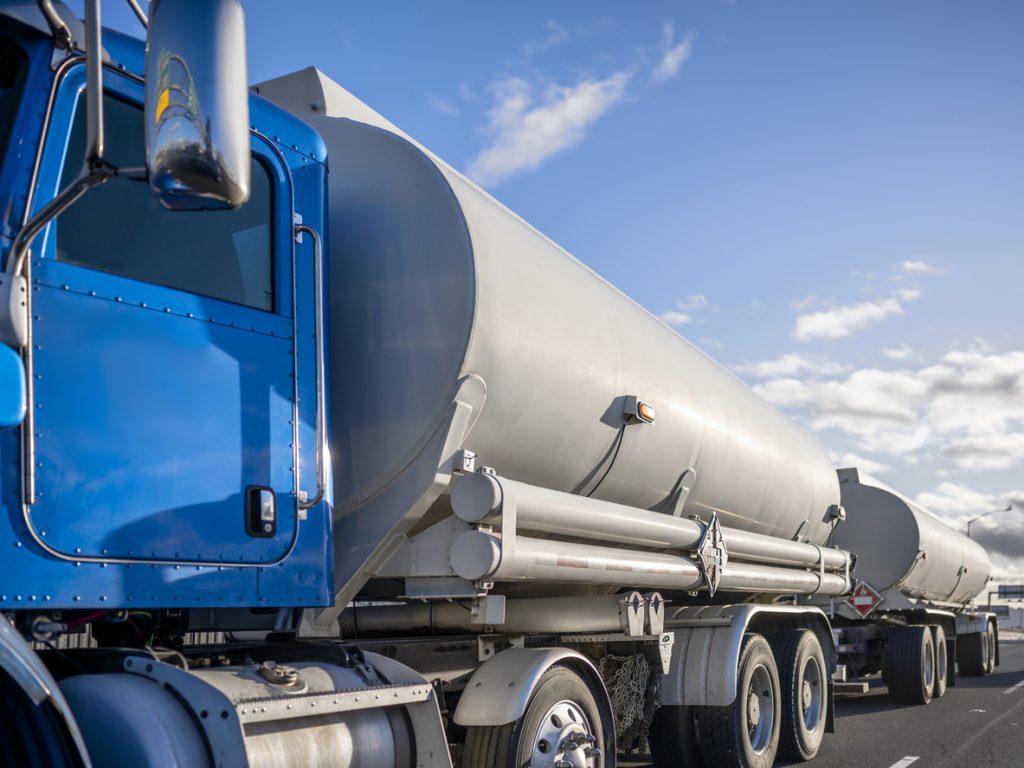
Moving liquefied natural gas is not the same as moving regular cargo. LNG tanker transport in Nigeria requires careful planning, trained drivers, compliant vehicles, route checks, safety documentation, and real-time coordination. A small mistake can delay delivery, increase cost, or create serious safety risks.
For businesses that rely on gas supply, industrial fuel, energy projects, or bulk movement of liquefied gas, the biggest concern is usually simple: how do you move LNG safely, legally, and on time across Nigerian roads?
That is where proper transport coordination matters.
What Makes LNG Tanker Movement Different
LNG is transported under controlled conditions, so the tanker, driver, route, and delivery process must all be handled professionally. Unlike ordinary diesel delivery or general cargo haulage, LNG transport involves:
- Specialized tanker trucks
- Safety-trained operators
- Proper loading and discharge procedures
- Route risk assessment
- Emergency response planning
- Compliance with transport and petroleum safety requirements
In Nigeria, road conditions also add another layer. A trip from Lagos to Ogun, Port Harcourt to Aba, or Warri to Abuja can be affected by traffic, checkpoints, bad sections of road, weather, and access restrictions around industrial zones.
A reliable logistics partner must understand these realities before dispatching a tanker.
Common Routes for Gas and Energy Logistics in Nigeria
LNG and gas-related transport often moves between industrial clusters, energy facilities, depots, construction sites, and manufacturing locations. Common movement corridors may include:
- Lagos to Ogun industrial areas
- Port Harcourt to Aba and Onitsha
- Warri to Benin and Abuja
- Lagos to Ibadan and Ilorin
- Rivers State to major South-East commercial zones
Each route needs proper timing. For example, sending a tanker through Lagos traffic at the wrong hour can add several hours to delivery time. On longer interstate routes, night movement may also require extra caution depending on cargo sensitivity, road condition, and security assessment.
What Businesses Should Confirm Before Booking
Before arranging LNG tanker transport in Nigeria, businesses should confirm a few important details:
- Tanker suitability
The vehicle must be designed for the product being moved. - Driver experience
Hazardous or sensitive cargo should not be assigned to an inexperienced driver. - Pickup and delivery access
Some industrial sites have strict entry times, safety checks, and discharge procedures. - Documentation
Waybills, permits, safety records, and delivery instructions should be ready before dispatch. - Route planning
The shortest route is not always the safest or fastest route.
These checks help prevent avoidable delays, failed deliveries, and costly operational disruption.
How Pricing Is Usually Determined
The cost of LNG tanker transport in Nigeria can vary depending on distance, tanker capacity, route difficulty, loading time, waiting time, security needs, and delivery urgency.
A short industrial movement within Lagos or Ogun will not cost the same as an interstate haulage job from Rivers State to Abuja. Businesses should also budget for possible delays at loading points, offloading queues, and site access requirements.
Instead of relying on rough guesses, it is better to request a route-based quote. Travo.ng can help coordinate transport pricing based on pickup location, destination, cargo details, tanker requirement, and delivery timeline.
Why Proper Coordination Saves Money
Many companies lose money not because transport is unavailable, but because it is poorly coordinated. A tanker arrives before the receiving site is ready. The driver gets delayed at a gate. The wrong route is selected. Delivery documents are incomplete. These issues can lead to waiting charges, rescheduling, and supply disruption.
Good logistics coordination reduces these risks. With Travo.ng, businesses can arrange LNG tanker transport alongside related logistics support such as cargo movement, business delivery planning, vehicle hire coordination, and interstate transport support where needed.
When to Book Ahead
For sensitive energy logistics, same-day arrangements are not always ideal. It is better to book ahead when:
- Moving LNG across state lines
- Supplying factories or industrial plants
- Coordinating multiple tanker trips
- Delivering to restricted-access facilities
- Planning supply during festive or high-demand periods
December, major public holidays, rainy-season disruptions, and fuel scarcity periods can affect availability and travel time. Early booking gives room for better tanker allocation, safer scheduling, and proper route planning.
Book LNG Tanker Transport With Travo.ng
LNG tanker transport in Nigeria requires more than finding a truck. It requires careful planning, local route knowledge, safety awareness, and dependable coordination from pickup to delivery.
Travo.ng helps businesses arrange practical logistics solutions across Nigeria, including tanker transport coordination, cargo logistics, courier services, delivery support, relocation logistics, vehicle hire, and business transport planning.
Whether you are moving LNG for industrial use, project supply, or commercial operations, Travo.ng can help you plan the movement properly, avoid common transport mistakes, and get reliable support from start to finish.
