


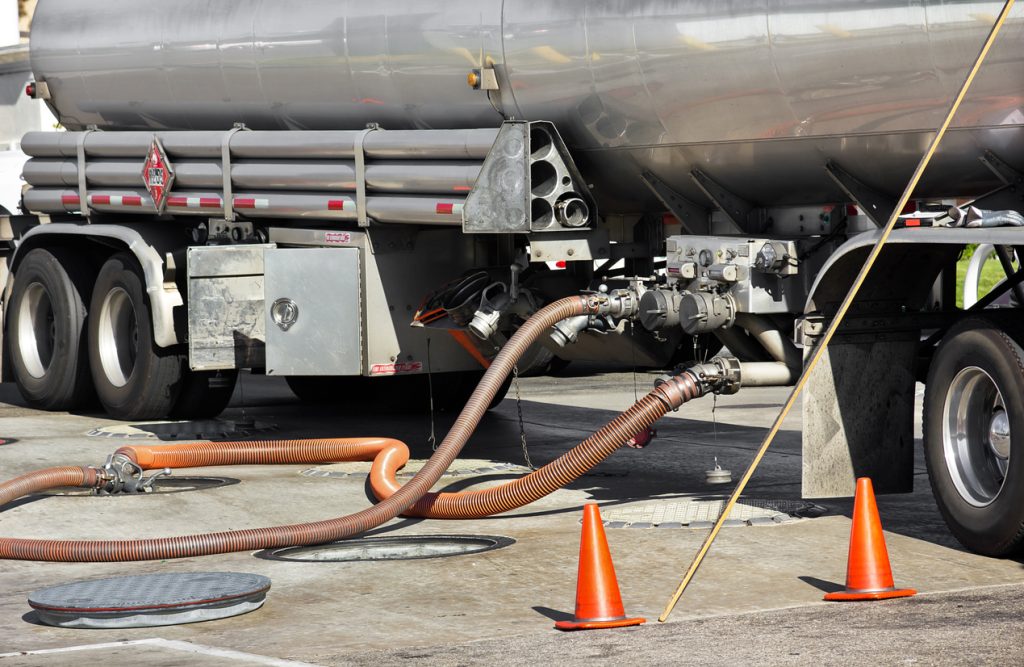
Moving fuel offshore in Nigeria is not the same as sending regular cargo from one city to another. It involves timing, safety, documentation, marine coordination, and experienced logistics handling. For companies working around Lagos waters, Port Harcourt, Warri, Bonny, Escravos, or other offshore locations, reliable fuel movement can affect daily operations.
Offshore fuel transport in Nigeria is mostly needed by marine operators, oil service companies, construction teams, vessel owners, offshore facilities, and businesses running generators or equipment in hard-to-reach locations. A delay of just one day can disrupt movement, increase costs, or leave a team stranded without power.
Travo.ng helps businesses plan and coordinate practical fuel logistics support with the local understanding needed to move safely and efficiently.
What Makes Offshore Fuel Movement Different
Unlike normal road delivery, offshore fuel transport requires more planning. You are not only dealing with distance. You are also dealing with vessel schedules, loading points, weather conditions, security checks, jetty access, and proper handling.
A typical fuel movement may involve:
- Pickup from a depot or approved supplier
- Transfer to a truck, barge, or marine vessel
- Coordination at the jetty
- Offshore delivery scheduling
- Proof of delivery and operational reporting
For example, moving diesel from a Lagos depot to a marine support vessel around Apapa or Lekki may look simple on paper. In reality, traffic, depot queues, access permits, and vessel timing can easily affect the delivery window.
Common Challenges Businesses Face
Many companies struggle with offshore fuel logistics because they treat it like ordinary transport. That is where problems begin.
Some common issues include:
- Late loading at fuel depots
- Poor communication between supplier, driver, and vessel team
- Wrong delivery timing at the jetty
- Incomplete documentation
- Poorly coordinated last-mile marine movement
- Unexpected cost changes due to delays
In places like Lagos, Port Harcourt, and Warri, timing matters. A truck delayed in traffic or a missed vessel loading slot can create extra charges and operational downtime.
This is why businesses need logistics support that understands both road movement and marine coordination.
How Offshore Fuel Transport in Nigeria Is Usually Priced
The cost depends on several factors. There is no single flat rate because every movement has different requirements.
Pricing is usually affected by:
- Fuel quantity
- Pickup location
- Offshore delivery point
- Type of truck, barge, or vessel required
- Waiting time at depot or jetty
- Security or escort needs
- Distance and route conditions
- Urgency of delivery
For short Lagos-based marine fuel coordination, costs may be lower than interstate fuel movement from Port Harcourt to a remote coastal location. For larger volumes or difficult access points, the logistics cost can increase because of handling, permits, waiting time, and marine transfer arrangements.
Travo.ng helps customers review the movement details before booking so they understand what is involved and avoid surprise charges.
When You Should Book Fuel Logistics Early
Last-minute fuel delivery is sometimes possible, but it is risky for offshore operations. The best time to arrange transport is before the fuel is urgently needed.
Businesses should book early when:
- A vessel is scheduled to leave port
- Offshore workers need generator fuel
- Construction equipment depends on diesel supply
- A marine project has fixed operating hours
- Fuel needs to move across states before offshore transfer
During busy periods, especially around festive seasons, election periods, port congestion, or heavy rainfall, delays can become more common. Early planning gives enough room to confirm suppliers, trucks, loading access, and delivery timing.
Why Local Coordination Matters
Offshore fuel transport in Nigeria needs people who understand local movement patterns. A route that looks short on Google Maps may take hours because of port traffic, checkpoints, bad roads, or depot delays.
For example, moving fuel within Lagos requires knowledge of Apapa traffic, Lekki access routes, truck restrictions, and jetty timing. In Rivers State, coordination may involve industrial zones, marine terminals, and security-sensitive areas.
Travo.ng supports customers by helping coordinate transport, delivery services, cargo logistics, vehicle movement, and business logistics support where needed. The goal is not just to move fuel, but to make the process easier to manage from booking to delivery.
Mistakes to Avoid When Moving Fuel Offshore
Before arranging offshore fuel transport, avoid these common mistakes:
- Booking transport without confirming the exact delivery point
- Ignoring jetty or vessel availability
- Failing to confirm fuel volume and handling requirements
- Choosing the cheapest option without checking reliability
- Waiting until operations are already running low on fuel
A reliable logistics plan should answer simple questions clearly: Where is the fuel coming from? Who is receiving it? What time should it arrive? What transport mode is needed? What documents are required?
Book Offshore Fuel Logistics With Travo.ng
For businesses that need offshore fuel transport in Nigeria, proper planning can save money, reduce downtime, and prevent operational stress. Whether the movement involves diesel supply coordination, marine fuel delivery, cargo logistics, or transport support, Travo.ng provides practical assistance based on real Nigerian logistics conditions.
You can use Travo.ng to plan fuel movement, coordinate delivery, arrange transport support, and manage related logistics needs across Nigeria.
When offshore operations depend on fuel, guesswork is too expensive. Work with a logistics partner that understands the routes, the timing, and the pressure of getting fuel where it needs to be.
