


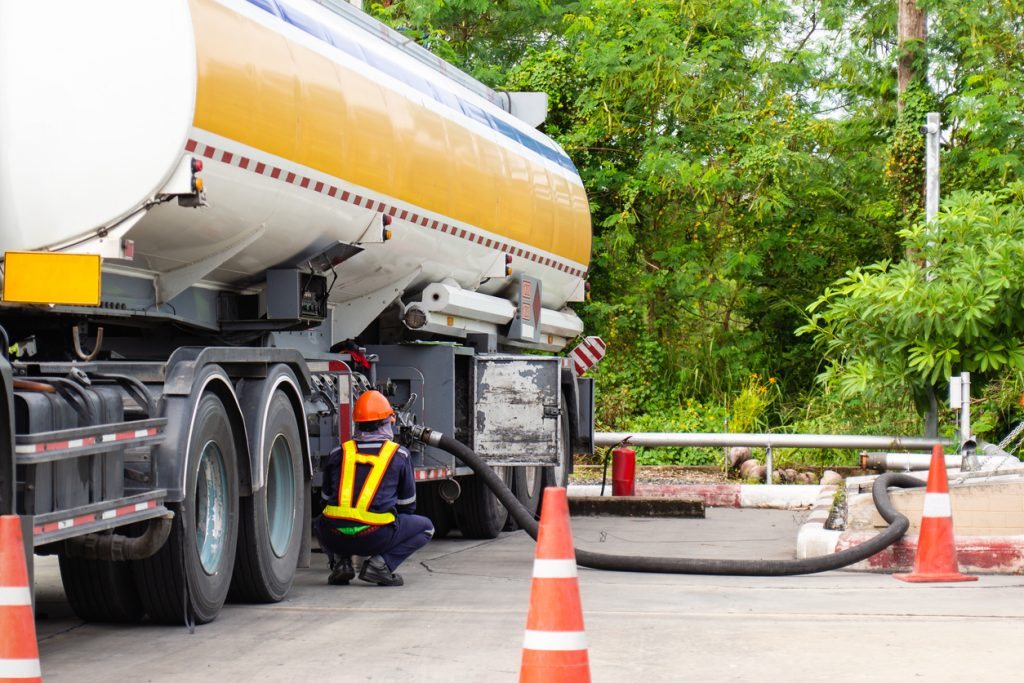
Fuel depot transport management in Nigeria is not something to handle casually. Moving petroleum products from depots to filling stations, construction sites, industrial facilities, or fleet yards requires planning, trusted transport partners, route knowledge, timing, documentation, and strong coordination.
In a country where traffic, road conditions, loading delays, security checks, and depot congestion can affect delivery timelines, businesses need more than just a truck. They need a reliable transport management process that reduces downtime and keeps operations moving.
For companies that depend on diesel, petrol, or other petroleum products, Travo.ng provides practical logistics and transport coordination support across Nigeria.
What Fuel Depot Transport Really Involves
Many people think fuel transport simply means sending a tanker to a depot, loading, and delivering. In reality, the process is more detailed.
A proper fuel movement plan usually includes:
- Confirming depot availability
- Scheduling tanker arrival
- Checking loading documentation
- Assigning suitable vehicles
- Planning safe delivery routes
- Coordinating drivers and receivers
- Monitoring delays and delivery updates
For example, moving fuel from a Lagos depot around Apapa, Ijora, or Satellite Town to destinations in Ogun, Ibadan, Abuja, or Port Harcourt may involve traffic delays, weighbridge checks, security stops, and depot queue time. Without proper coordination, a delivery expected in one day can easily stretch longer.
Common Problems Businesses Face With Fuel Logistics
Businesses that manage fuel supply often struggle with unreliable drivers, poor communication, late arrivals, and unclear delivery updates. These issues can affect hotels, factories, farms, telecom sites, transport companies, estates, and construction projects.
Some common problems include:
- Tankers arriving late at the depot
- Poor route planning during traffic-heavy periods
- Lack of delivery confirmation
- Unclear transport costs
- Vehicle breakdowns on interstate routes
- Poor coordination between supplier, driver, and receiver
This is why fuel depot transport management in Nigeria requires local experience. A route that looks simple on paper may be difficult during rainy season, festive periods, road repairs, or heavy port traffic.
How Travo.ng Supports Fuel Transport Coordination
Travo.ng helps customers arrange transport and logistics support with practical attention to timing, vehicle suitability, and delivery coordination. Instead of leaving businesses to manage multiple calls between depot operators, tanker drivers, and receiving locations, Travo.ng provides a more organized process.
Depending on the request, support may include tanker transport coordination, cargo logistics, interstate movement planning, driver communication, and business logistics support.
For companies that also need related services, Travo.ng can assist with vehicle hire, delivery services, relocation logistics, courier support, travel bookings, hotel reservations, and airport pickup coordination. This is useful for companies managing field teams, depot visits, inspections, or multi-location operations.
What Affects the Cost of Fuel Depot Transport
The cost of fuel haulage in Nigeria depends on several practical factors. A Lagos-to-Ogun fuel movement will not cost the same as Lagos-to-Abuja or Port Harcourt-to-Enugu delivery.
Typical cost factors include:
- Distance from depot to delivery point
- Type and capacity of tanker required
- Road condition and route risk
- Loading time at depot
- Urgency of delivery
- Driver waiting time
- Interstate permits or checkpoints
- Return-trip arrangement
For short regional movements, pricing may be based on distance, vehicle size, and loading delay. For interstate fuel logistics, businesses should expect higher costs because of longer travel time, driver allowance, maintenance risk, and possible overnight movement.
Mistakes to Avoid When Moving Fuel From Depots
One common mistake is booking transport too late. Fuel depot queues can be unpredictable, especially during scarcity periods or high-demand seasons.
Another mistake is choosing the cheapest truck without checking reliability. A delayed or poorly maintained tanker can cost more in lost business than the amount saved on transport.
Before arranging fuel movement, confirm:
- Exact depot location
- Product volume
- Delivery address
- Offloading access
- Receiver contact
- Preferred delivery window
- Required documents
Clear information helps reduce confusion and improves delivery planning.
Why Local Coordination Matters
Fuel logistics in Nigeria depends heavily on local knowledge. A dispatcher who understands Lagos depot traffic, Abuja delivery windows, South-East road movement, or Port Harcourt industrial routes can make better decisions than someone relying only on maps.
Travo.ng’s approach is built around practical coordination. The goal is to help businesses move fuel and related cargo with fewer delays, clearer communication, and better planning.
For companies that need fuel depot transport management in Nigeria, Travo.ng offers a reliable way to schedule, coordinate, and manage logistics without unnecessary stress.
Whether you are supplying a filling station, powering a factory, supporting a construction site, or managing fleet operations, proper transport management can save time, reduce risk, and keep your business running.
To arrange fuel transport coordination or related logistics support, you can contact Travo.ng and schedule the service that fits your route, timing, and delivery needs.
