


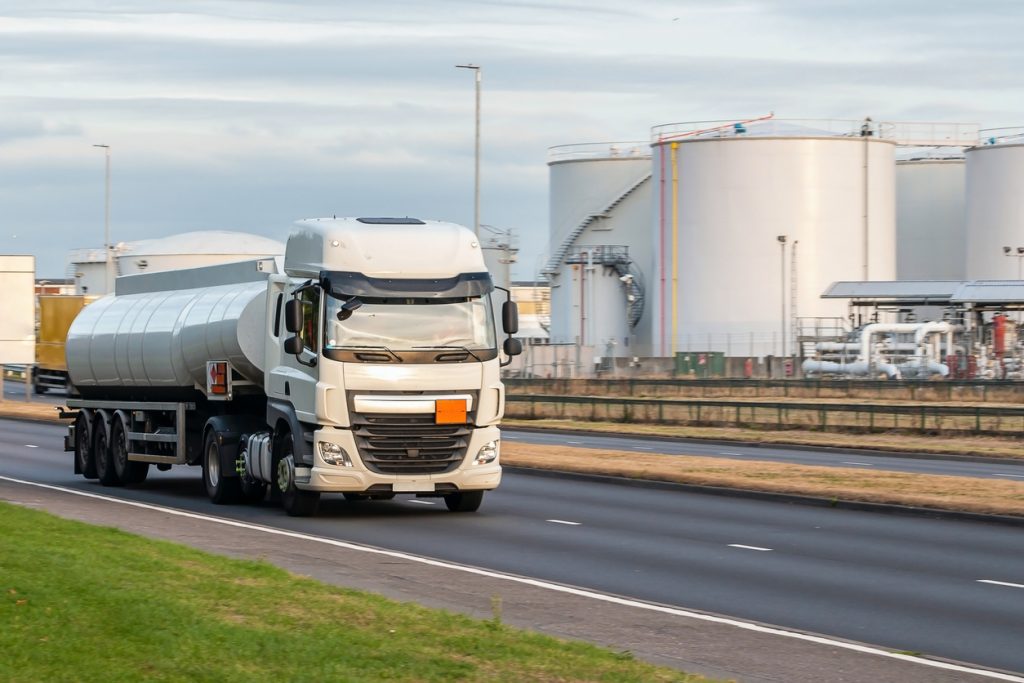
Fuel loading bay operations in Nigeria require more planning than many people realise. Whether diesel is moving from a depot in Apapa, petrol is being loaded for distribution in Ogun, or aviation fuel is being coordinated near an airport facility, one small delay can affect several businesses down the line.
For companies that depend on fuel movement, the real challenge is not only loading the product. It is managing timing, documentation, vehicle readiness, safety checks, route planning, and final delivery without unnecessary downtime.
What Happens Before a Truck Enters the Loading Bay
Before any tanker is allowed into a loading bay, several checks usually take place. The truck must be confirmed fit for loading, the driver’s details must match the dispatch arrangement, and the necessary documents must be ready.
In busy depots around Lagos, Port Harcourt, Warri, and Calabar, a delay of one hour can easily become a full-day problem. This is why many businesses prefer to work with logistics partners who understand depot movement, truck coordination, and delivery scheduling.
Travo.ng can support businesses that need transport coordination, cargo logistics, delivery planning, and movement support across Nigerian routes.
Why Loading Bay Delays Are Common in Nigeria
Fuel loading bay operations in Nigeria are often affected by issues such as:
- Long truck queues at depots
- Incomplete loading documents
- Poor communication between depot staff, drivers, and receivers
- Traffic around Apapa, Ijora, Mile 2, and other industrial corridors
- Vehicle breakdowns before or after loading
- Security checks and product verification delays
For example, a tanker scheduled to load in Lagos and deliver to Ibadan may still lose several hours if the truck enters the depot late or misses its loading slot. For businesses running generators, factories, construction sites, or retail fuel supply, that delay can disrupt operations.
Planning Fuel Movement Beyond the Loading Point
The loading bay is only one part of the job. After loading, the product still needs to move safely to its destination.
A good logistics plan should consider:
- The distance from depot to delivery point
- Expected traffic along the route
- Driver rest and safety requirements
- Offloading access at the customer’s location
- Communication with the receiving team
- Emergency backup if the vehicle is delayed
For Lagos to Abuja fuel-related logistics, timing is especially important because road conditions, security checks, and night movement restrictions can affect delivery plans.
How Businesses Can Reduce Fuel Logistics Problems
Many fuel delivery problems happen because planning starts too late. A business may wait until diesel is almost finished before arranging supply, or assume a truck will load and deliver on the same day without considering depot delays.
A better approach is to schedule movement early, confirm all paperwork, and use a logistics coordinator who can monitor the vehicle from loading to delivery.
Travo.ng helps businesses arrange practical logistics support, transport coordination, courier services, cargo movement, and business delivery solutions across Nigeria. This is useful for companies that need more than just a vehicle; they need someone who understands movement from start to finish.
When Fuel Logistics Needs Extra Coordination
Some operations require more careful planning, especially when fuel movement connects with other services. For instance:
- A hotel arranging diesel supply during peak occupancy
- A construction company moving fuel to a project site
- A business relocating equipment and needing fuel support
- An airport-related operation requiring timed pickup or delivery
- A corporate facility managing multiple delivery points
In these situations, poor coordination can lead to wasted time, extra transport costs, and unhappy customers.
Where Travo.ng Fits In
Travo.ng is built around practical movement solutions. While fuel loading itself is controlled by depot and regulatory procedures, businesses still need reliable support around transport planning, delivery coordination, cargo logistics, vehicle hire, relocation support, and route management.
Instead of handling every movement separately, customers can use Travo.ng to plan related logistics needs in one place. This is especially helpful for businesses that also need courier delivery, interstate cargo movement, airport pickup, hotel reservation, travel booking, or corporate transport support.
Practical Tips Before Scheduling Fuel Movement
Before arranging any fuel-related logistics, confirm:
- The loading depot and expected loading time
- The destination and offloading access
- The type and capacity of vehicle required
- Driver and vehicle documentation
- Expected route and delivery window
- Who will receive the product at the destination
Clear communication before dispatch saves money and reduces avoidable delays.
Fuel loading bay operations in Nigeria work best when loading, transport, and delivery are treated as one connected process. With the right planning and local logistics support, businesses can reduce downtime, avoid confusion, and move products more confidently across Nigerian routes.
For businesses that need reliable logistics coordination, transport support, delivery services, or cargo movement, Travo.ng provides a practical way to schedule and manage movement with local understanding.
