


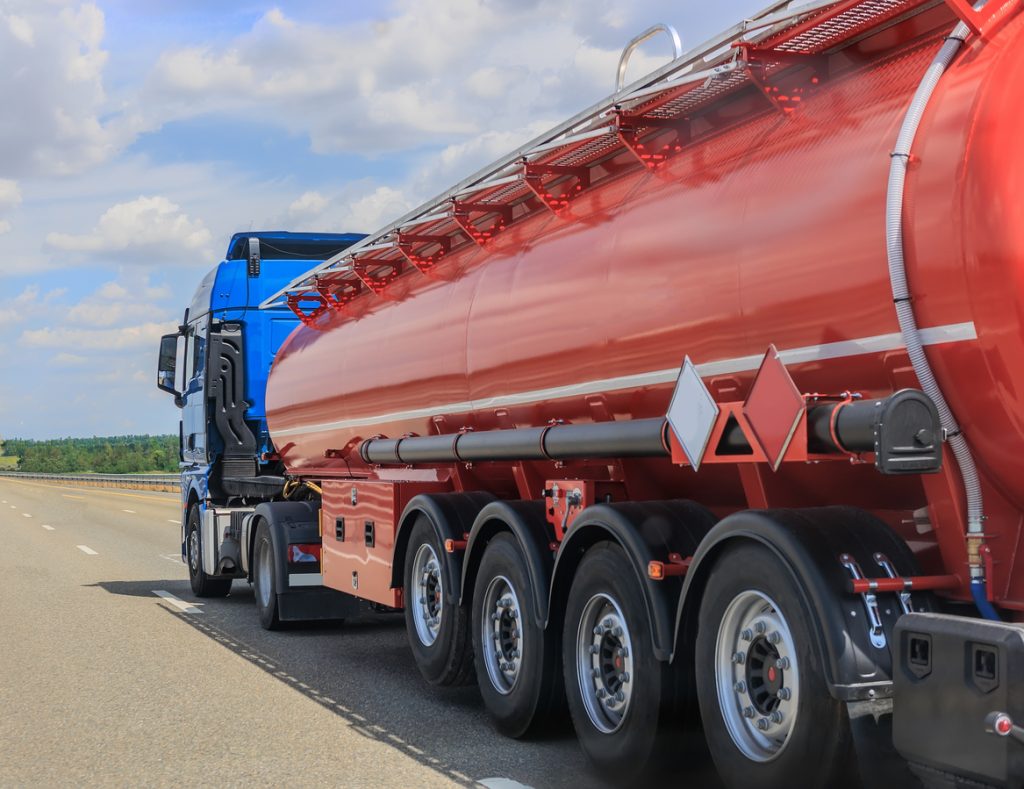
Petroleum terminal logistics in Nigeria is not the kind of operation anyone should handle casually. Moving petroleum products from depots, tank farms, ports, and storage terminals requires proper coordination, trusted transport partners, route planning, compliance awareness, and real-time communication.
For businesses that depend on diesel, PMS, aviation fuel, lubricants, or industrial petroleum products, one delay at a terminal can affect production, distribution, retail supply, or customer delivery schedules. This is why proper logistics planning matters.
Travo.ng supports businesses and individuals with practical transport coordination, cargo logistics, delivery support, and movement planning across Nigeria.
How petroleum terminal movement usually works in Nigeria
Most petroleum logistics activities start from major depots, tank farms, or coastal terminals in places like Apapa, Ijegun, Kirikiri, Warri, Port Harcourt, Calabar, and Lagos free trade zones.
From there, products are usually moved by road to filling stations, factories, construction sites, farms, telecom facilities, estates, warehouses, or regional distributors.
A typical movement may involve:
- Terminal loading coordination
- Truck availability confirmation
- Driver documentation checks
- Route planning
- Delivery timing
- Receiving-point communication
- Proof of delivery updates
In Nigeria, the biggest challenge is rarely just distance. It is usually the combination of terminal waiting time, traffic, truck queues, security concerns, bad road sections, and poor communication between dispatchers and receivers.
What affects delivery time from petroleum terminals
A fuel truck leaving a Lagos terminal for Ibadan may arrive the same day if loading is smooth and traffic is light. But the same movement can take much longer if there is congestion around Apapa, Mile 2, or the access roads leading out of the depot area.
For longer routes such as Lagos to Abuja, Port Harcourt to Enugu, or Warri to Kaduna, businesses should plan with wider delivery windows. Road condition, checkpoints, night movement restrictions, and offloading readiness can all affect timing.
This is why experienced logistics coordination is important. Someone must know when to dispatch, which route is realistic, and how to keep both the sender and receiver updated.
Common mistakes businesses make with petroleum logistics
Many companies lose time and money because they focus only on the truck and ignore the full movement process.
Common mistakes include:
- Booking trucks too late
- Not confirming terminal loading requirements
- Sending incomplete receiver details
- Ignoring traffic around depot areas
- Failing to confirm offloading access
- Choosing transport based only on the cheapest quote
With petroleum products, cheap transport can become expensive if the truck is delayed, poorly coordinated, or unsuitable for the route.
Why proper coordination matters for petroleum cargo
Petroleum cargo is sensitive because it affects business continuity. A hotel running on diesel, a factory waiting for fuel, or a construction site expecting supply cannot afford unclear delivery updates.
Good coordination helps reduce:
- Unnecessary waiting time
- Missed delivery windows
- Wrong destination issues
- Poor driver communication
- Unplanned storage or offloading delays
Travo.ng can assist with logistics support, transport coordination, cargo movement planning, and delivery arrangements for businesses that need dependable movement across Nigerian routes.
Practical pricing and planning expectations
Petroleum logistics pricing in Nigeria depends on volume, distance, truck type, loading point, destination, route condition, and urgency.
For example, a short industrial fuel delivery within Lagos will not be priced the same as an interstate movement from Lagos to Abuja or Warri to Kano. Terminal delays, tolls, driver allowances, and turnaround time may also affect the final cost.
Before booking, businesses should confirm:
- Pickup terminal or depot
- Product type
- Quantity or truck capacity
- Delivery address
- Offloading contact
- Preferred delivery time
- Any site access restrictions
Providing these details early makes quotation and dispatch planning much smoother.
Where Travo.ng fits into the process
Travo.ng is useful for customers who need more than a random truck contact. The company supports travel, transport, delivery, courier, cargo logistics, vehicle hire, relocation, and business logistics needs across Nigeria.
For petroleum-related movement, Travo.ng can help customers coordinate suitable transport support, plan delivery timelines, and manage communication between pickup and destination points.
Businesses that also need staff travel, hotel reservations, airport pickups, or vehicle hire can manage related movement needs through Travo.ng instead of dealing with multiple uncoordinated vendors.
Better logistics starts before the truck moves
The safest way to handle petroleum terminal logistics in Nigeria is to plan before the product is ready for dispatch. Confirm the route, loading point, receiver details, truck requirements, and delivery expectations early.
Whether you are supplying fuel to a business site, moving petroleum products between cities, or coordinating regular cargo movement, Travo.ng provides practical logistics and transport support that fits Nigerian operating realities.
For smoother petroleum logistics, delivery coordination, and cargo movement support, book with Travo.ng and plan your next movement with confidence.
