


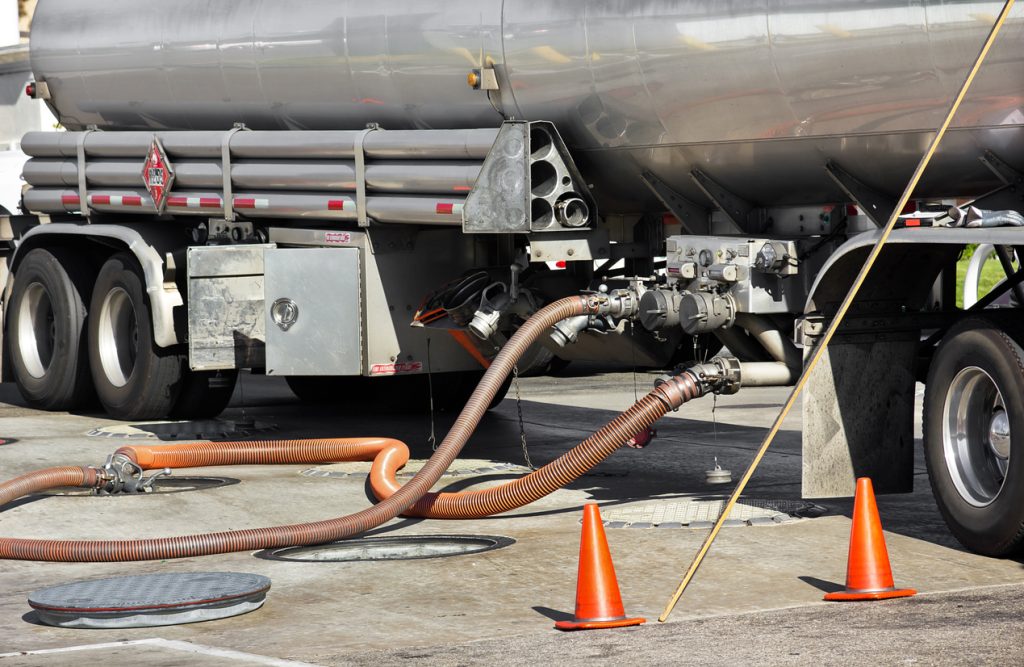
Fuel movement across West Africa is not just about loading trucks and sending them on the road. It involves timing, documentation, depot access, route planning, border delays, driver coordination, and knowing how to respond when something changes unexpectedly.
For businesses that depend on steady diesel, petrol, aviation fuel, or industrial fuel supply, working with a reliable West Africa fuel supply chain company can reduce delays, stockouts, and costly operational disruptions.
Travo.ng supports businesses with practical logistics coordination, transport planning, delivery support, and movement solutions across Nigeria and the wider West African corridor.
What Fuel Supply Chain Support Really Involves
A fuel supply chain operation may start from a depot, refinery, tank farm, or bulk supplier, but the real work happens in the movement process.
Businesses often need help with:
- Coordinating fuel pickup from approved supply points
- Arranging suitable trucks and transport partners
- Monitoring delivery timelines
- Managing interstate movement
- Supporting documentation for cargo movement
- Planning delivery to construction sites, factories, estates, stations, or industrial yards
In Nigeria, a Lagos-to-Abuja fuel-related movement may look simple on paper, but road conditions, traffic at Apapa or Ijora, depot loading delays, and security checks can affect timing. That is why experienced coordination matters.
Why Businesses Struggle With Fuel Logistics in West Africa
Many companies do not have a fuel problem. They have a coordination problem.
A hotel in Abuja may need diesel before weekend occupancy increases. A construction company in Ogun may need supply before machines resume work on Monday. A transport operator may need fuel support across multiple loading points.
Common problems include:
- Late vehicle assignment
- Poor communication with drivers
- Unclear delivery timelines
- Wrong truck size for the job
- Delays at loading points
- Weak route planning
- No backup plan when demand rises suddenly
A West Africa fuel supply chain company should understand these realities and help clients plan before the delay becomes expensive.
Routes and Corridors That Need Careful Planning
Fuel and energy-related logistics across West Africa often move through busy commercial corridors. In Nigeria, common routes include Lagos to Abuja, Lagos to Port Harcourt, Lagos to Kano, Warri to Benin, and Lagos to Ibadan.
For wider West African movement, operators may also plan around Benin Republic, Ghana, Togo, Côte d’Ivoire, and other regional trade routes depending on the cargo type and business need.
Each route comes with different realities. Lagos traffic can delay loading. Northern routes may require better timing and security awareness. Cross-border deliveries need stronger documentation and more patience at checkpoints.
How Travo.ng Supports Fuel and Business Logistics
Travo.ng helps businesses coordinate logistics in a way that is practical and locally informed. While every fuel movement depends on the client’s exact requirement, Travo.ng can support related services such as transport coordination, cargo logistics, courier support, delivery planning, vehicle hire, relocation logistics, and business movement support.
For companies handling fuel supply, this kind of support is useful when they need:
- Reliable transport arrangement
- Delivery coordination across Nigerian cities
- Business logistics support
- Airport pickup for visiting technical staff
- Hotel reservations for field teams
- Vehicle hire for site inspections
- Movement planning for urgent operations
This is where Travo.ng becomes more than a booking platform. It becomes a practical partner for businesses that need people, goods, and operational support to move smoothly.
What to Check Before Choosing a Fuel Logistics Partner
Before choosing a West Africa fuel supply chain company or logistics support provider, ask practical questions.
Can they coordinate movement across your required route?
Do they understand local traffic and loading delays?
Can they communicate clearly when timelines change?
Do they have access to reliable transport options?
Can they support related business travel, vehicle hire, or field team movement?
Do they understand Nigerian interstate logistics?
The cheapest option is not always the best. A delayed fuel delivery can cost more than the small amount saved on poor coordination.
Practical Planning Tips for Fuel-Dependent Businesses
If your business depends on regular fuel supply, avoid planning only when your tank is almost empty. Give your logistics partner enough notice, especially before weekends, public holidays, festive periods, or rainy season disruptions.
For Lagos-based businesses, it is wise to plan around traffic from ports, depots, and industrial zones. For interstate deliveries, build in extra time for road conditions, checkpoints, and loading delays.
Businesses with multiple locations should also keep clear records of delivery frequency, average consumption, and emergency supply needs. This makes coordination easier and reduces last-minute pressure.
Book Reliable Logistics Support With Travo.ng
A dependable West Africa fuel supply chain company needs more than trucks. It needs local knowledge, route awareness, clear communication, and practical coordination.
Travo.ng helps businesses manage travel, logistics, transport, delivery, cargo movement, vehicle hire, hotel reservations, and operational support across Nigeria. Whether you are coordinating field teams, moving business cargo, planning interstate transport, or supporting fuel-related operations, Travo.ng gives you a simpler way to organise movement and logistics.
For businesses that cannot afford avoidable delays, proper coordination is not optional. It is part of staying operational.
