


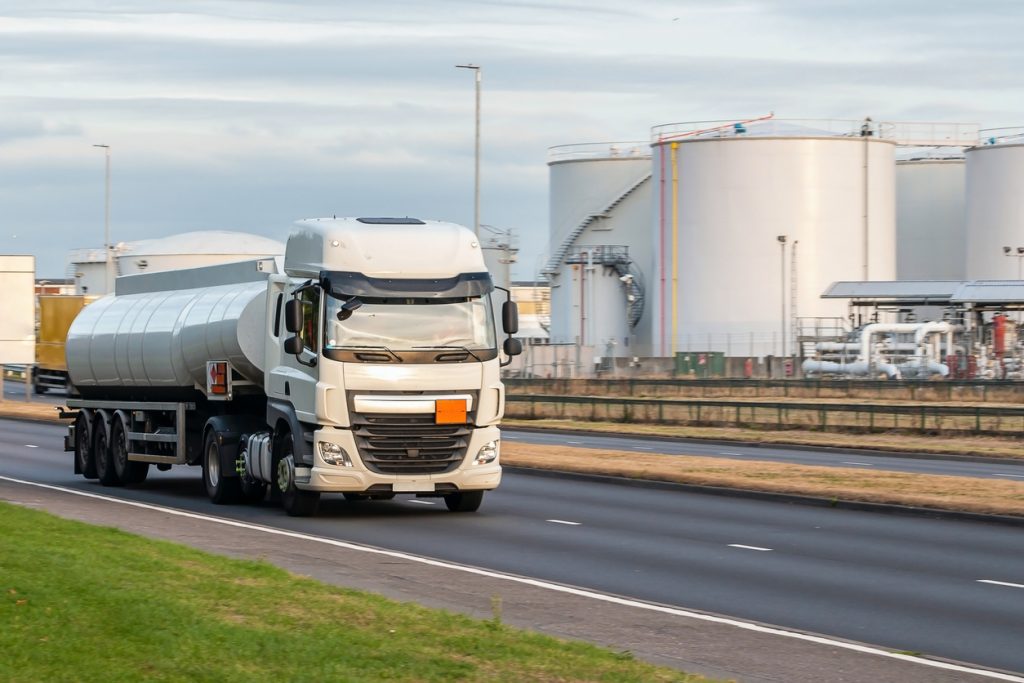
Moving diesel for export in Nigeria is not the same as sending regular cargo. It involves timing, documentation, safety coordination, reliable transport, and a clear understanding of routes from depots, tank farms, industrial locations, and ports.
For businesses searching for diesel export logistics Nigeria, the real concern is usually simple: how do you move petroleum products safely, legally, and on schedule without delays that affect buyers, vessels, or cross-border customers?
That is where proper logistics planning matters.
What Diesel Export Logistics Usually Involves in Nigeria
Diesel export movement often starts from supply points such as Lagos, Port Harcourt, Warri, or other petroleum trading hubs. From there, products may need to move to ports, bonded locations, border corridors, or client storage facilities.
A proper diesel logistics plan may include:
- Truck sourcing and transport coordination
- Cargo movement scheduling
- Route planning
- Depot or loading point coordination
- Driver communication
- Delivery monitoring
- Documentation support
- Port or terminal movement planning
For diesel export, even a small delay can affect loading timelines, customer commitments, or regulatory processes.
Common Challenges When Moving Diesel for Export
One major issue is unreliable truck availability. During busy periods, especially when fuel demand is high, getting suitable tankers or heavy-duty transport at short notice can be difficult.
Road conditions also matter. Routes around Apapa, Tin Can, Ijora, Mile 2, Onne, Aba Road, Warri, and border corridors can experience heavy delays. A journey that looks simple on paper may take much longer because of traffic, checkpoints, loading queues, or port congestion.
Businesses also make mistakes such as:
- Booking transport too late
- Using poorly verified vehicle operators
- Failing to confirm loading requirements early
- Underestimating port access delays
- Not tracking driver movement properly
- Mixing cargo planning with last-minute documentation
For diesel export logistics in Nigeria, planning early is usually cheaper than fixing problems after delays begin.
Realistic Timelines for Diesel Movement
Timelines depend on the loading point, destination, road condition, documentation status, and vehicle availability.
For example, diesel movement within Lagos may still require same-day or next-day planning because of traffic around petroleum depots and port access roads.
Lagos to Port Harcourt or Warri movement may require one to three days depending on loading time, security checks, road condition, and discharge arrangements.
If the diesel is moving toward export processing, port transfer, or cross-border delivery, extra time should be allowed for documentation review, queue management, and inspection points.
How Travo.ng Supports Diesel Export Logistics Nigeria
Travo.ng helps businesses coordinate practical logistics needs around diesel export and petroleum-related cargo movement. Instead of leaving customers to call multiple transporters, drivers, and support agents separately, Travo.ng helps simplify the process.
Depending on the shipment requirement, support may include:
- Cargo logistics coordination
- Heavy-duty transport arrangement
- Route and timing planning
- Business logistics support
- Delivery and movement updates
- Port or terminal transfer support
- Vehicle hire and transport coordination
The goal is not just to move diesel from one place to another. It is to make the movement organized, traceable, and easier for the business to manage.
What Businesses Should Confirm Before Booking Diesel Logistics
Before arranging diesel export movement, confirm the product volume, loading address, destination, required vehicle type, export timeline, documentation status, and discharge instructions.
You should also know whether the cargo needs port delivery, warehouse transfer, border movement, or direct delivery to a buyer’s facility.
Clear information helps logistics teams estimate cost, assign the right vehicle, and avoid unnecessary delays.
Who Needs This Type of Logistics Support?
Diesel export logistics is useful for petroleum marketers, trading companies, industrial suppliers, marine fuel vendors, construction firms, manufacturers, and businesses handling bulk energy supply.
It is also helpful for companies that do not move diesel every day but occasionally need reliable support for export-related transport.
Planning Diesel Export Movement the Smart Way
Diesel logistics in Nigeria requires more than hiring a truck. It requires coordination, timing, local route knowledge, and reliable communication from pickup to delivery.
With Travo.ng, businesses can plan diesel export logistics in Nigeria with better structure, clearer movement updates, and support from a team that understands local transport realities.
For diesel cargo movement, export logistics, transport coordination, and business delivery support, Travo.ng provides a practical way to schedule and manage the process without unnecessary stress.
