


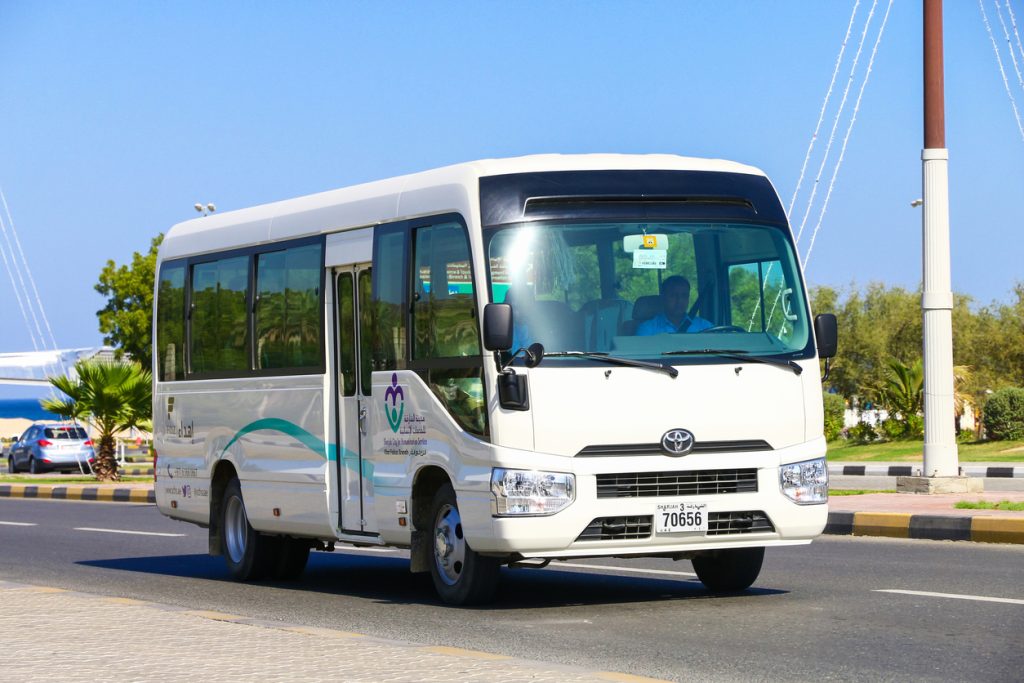
Traveling from Lagos to Jos is one of Nigeria’s classic long-distance interstate journeys that connects the country’s busiest commercial hub with the calm, high-altitude city of Plateau State. It’s not just a road trip—it’s a full cross-country movement through multiple states, climates, and road conditions.
From Ojota, Jibowu, Mile 2, and Berger terminals in Lagos, all the way up to Terminus, Bukuru, and Rayfield axis in Jos, this route is widely used for business travel, family visits, tourism, and cargo movement.
Why Lagos to Jos Is an Important Interstate Route
This corridor stays active because it connects:
- Lagos import and wholesale markets
- Government and administrative activities in Plateau State
- Agricultural supply chains from the Middle Belt
- Traders moving goods between North and South
- Students and workers traveling between regions
- Logistics operators handling long-distance deliveries
Because of this, buses on this route often run full, especially during holidays and festive periods.
The Journey Starts Inside Lagos, Not on the Highway
Before the highway begins, Lagos already shapes your entire experience.
Typical departure process includes:
- Early movement toward Ojota, Jibowu, or Mile 2 terminals
- Heavy traffic around Oshodi, Berger, and Ojota axis
- Ticket confirmation and boarding queues
- Luggage inspection and cargo arrangement
- Waiting for full passenger loading before departure
Even a scheduled morning departure can shift depending on passenger flow and traffic conditions inside Lagos.
What the Lagos to Jos Road Journey Is Really Like
Once you leave Lagos, the route typically passes through:
- Ogun State corridor
- Kogi State (Lokoja axis)
- Niger State stretch
- Kaduna region (depending on chosen route)
- Final ascent into Plateau State via Pankshin or Zaria axis
- Arrival into Jos city (Terminus, Bukuru, or Rayfield areas)
On a smooth trip, travel time is around 10–14 hours, but real conditions may extend it depending on:
- Lagos exit traffic delays
- Road conditions across Kogi and Kaduna corridors
- Weather changes (rainy season or Harmattan dust)
- Security checkpoints and mandatory stops
- Driver rest and fueling breaks
This is a true long-distance journey, often covering most of the day.
What First-Time Travelers Usually Notice
If it’s your first Lagos to Jos trip, a few things stand out:
- Lagos departure delays are very common
- Multiple rest stops are part of the journey
- Temperature drops as you approach Plateau State
- Night arrival in Jos is frequent
- Final destination may require local transport within the city
Jos is cooler and calmer compared to Lagos, but arrival timing still affects how easy it is to move around.
Why This Route Is Important for Trade and Agriculture
Lagos to Jos plays a major role in Nigeria’s economic balance.
It supports:
- Movement of imported goods from Lagos to northern markets
- Agricultural produce transport from Middle Belt regions
- Retail and wholesale distribution networks
- Construction materials and industrial supplies
- Intercity logistics and parcel delivery services
Because of this, transport operators often combine passenger travel with cargo services.
Common Mistakes People Make on Lagos to Jos Trips
Even experienced travelers make avoidable mistakes:
1. Underestimating travel time
It is a full-day journey, not a short trip.
2. Arriving late at Lagos terminals
Seats fill quickly during peak travel periods.
3. Not preparing for temperature changes
Jos is significantly cooler than Lagos.
4. Ignoring multiple stopovers
Rest stops are part of the journey, not delays.
5. Poor packaging for cargo goods
Long-distance transport requires stronger packaging.
Why Timing Matters More Than Distance
On Lagos to Jos trips, distance is only part of the story—coordination matters more.
What actually determines your experience:
- When you leave Lagos
- How fast the bus loads passengers
- Traffic leaving the city
- Road conditions across multiple states
- Number of scheduled stops
Two travelers on the same route can have completely different experiences depending on timing and planning.
How Travo.ng Helps With Lagos to Jos Travel
Instead of relying on guesswork or terminal uncertainty, Travo.ng helps users plan better.
With it, you can:
- Plan Lagos to Jos trips ahead of time
- Compare available transport and logistics options
- Organize parcel and cargo movement across states
- Reduce uncertainty around departure timing
- Combine travel booking and logistics planning in one place
It doesn’t change the road—it helps you navigate it more smoothly with better structure and planning.
Final Thoughts on Lagos to Jos Travel
The Lagos to Jos route is one of Nigeria’s key interstate corridors, connecting the South-West with the Middle Belt through commerce, agriculture, and family travel.
But like all long-distance road travel in Nigeria, the experience depends on preparation, timing, and understanding how transport systems actually work—not just what the schedule says.
With better planning and tools like Travo.ng, the journey becomes more predictable, more organized, and far less stressful.
