

Moving goods from Nigeria to neighbouring countries involves more than loading products onto a truck and sending them across the border. Businesses must deal with customs documentation, transport arrangements, border inspections, unpredictable delays, and delivery coordination.
For importers, exporters, manufacturers, and online retailers, managing a cross border supply chain in Nigeria requires careful planning to prevent unnecessary expenses and missed delivery deadlines.
Whether you are transporting merchandise from Lagos to Cotonou or arranging cargo movement towards Ghana, understanding how international road logistics works can help your business operate more efficiently.
How Goods Move From Nigeria to Neighbouring Countries
Nigeria shares land borders with Benin, Niger, Chad, and Cameroon, making road transportation an important part of regional trade.
One frequently used commercial corridor connects Lagos with Cotonou through the Seme border. Businesses also move goods towards Ghana through Benin and Togo.
However, crossing these borders requires more preparation than ordinary interstate deliveries.
Before dispatching cargo, businesses should confirm:
- The customs documents required for their goods
- Whether the products are permitted for import or export
- Applicable duties, taxes, and clearance charges
- Vehicle suitability and cargo handling requirements
- The delivery address and receiving arrangements
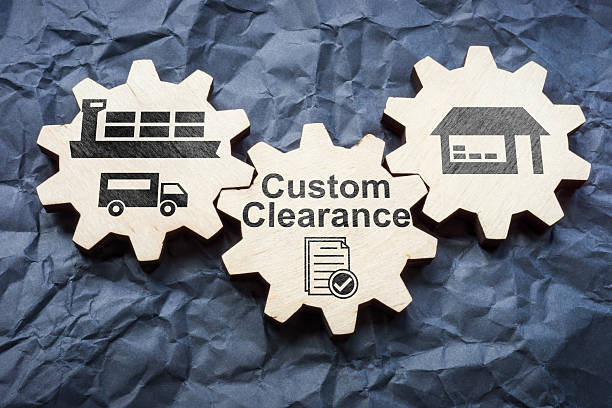
Missing paperwork can delay an entire shipment, even when the goods are already at the border.
What Causes Delays in Cross Border Cargo Deliveries?
Border clearance is one of the biggest uncertainties in international road transportation.
A truck travelling from Lagos towards Cotonou may encounter congestion along the Badagry corridor before reaching the Seme crossing.
Once there, inspections, incomplete declarations, or differences between shipment documents can extend the journey.
Businesses should avoid promising customers exact delivery dates without allowing time for clearance.
For example, a journey that might take several hours under favourable road conditions can take considerably longer when customs processing and border congestion are involved.
Planning with realistic delivery windows protects customer relationships and reduces unnecessary pressure on drivers.
Managing Cross Border Supply Chain Costs in Nigeria
International cargo transportation involves several expenses beyond the initial trucking quotation.
Depending on the shipment, costs may include freight charges, customs brokerage, duties, cargo insurance, loading, unloading, and storage.
A business exporting packaged products from Lagos should request an itemised quotation rather than accepting a single transport figure without clarification.
It is particularly important to establish who pays border charges and who handles clearance.
For smaller businesses, consolidating compatible shipments may reduce transport expenses, although it can require additional scheduling.
How Nigerian Businesses Can Avoid Shipment Problems
Many delivery problems begin before the vehicle leaves the warehouse.
Incorrect product descriptions, poor packaging, and unclear receiver information can create avoidable complications.
A practical dispatch process should include:
- Confirming the buyer’s full delivery details.
- Preparing accurate invoices and packing lists.
- Checking export and destination-country requirements.
- Selecting suitable cargo transportation.
- Agreeing on communication and delivery confirmation procedures.
Businesses transporting fragile electronics, food products, or industrial equipment should also consider packaging standards and any special handling requirements.
Arrange Cargo and Transport Support With Travo.ng
Coordinating domestic cargo movement is often an important part of a successful international shipment.
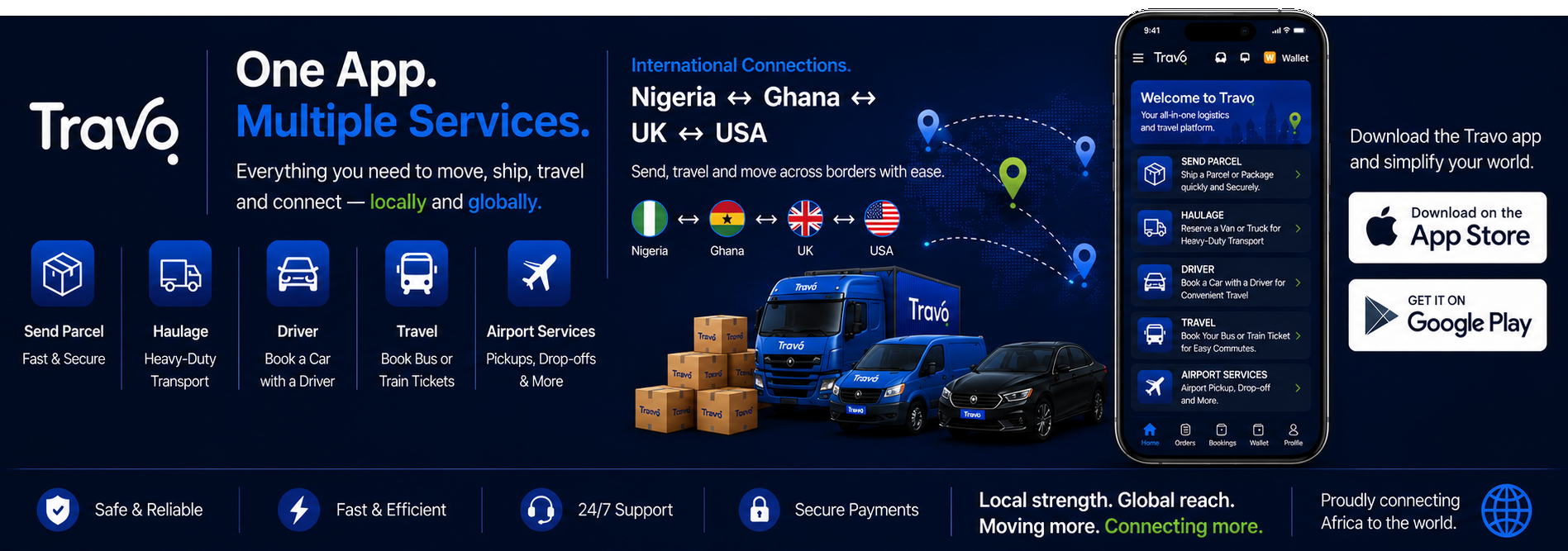
Travo.ng provides a practical starting point for businesses seeking cargo logistics, delivery coordination, and transport support within Nigeria.
For example, a Lagos-based exporter may need goods collected from suppliers, consolidated at a warehouse, and transported towards an international dispatch point.
Before booking, confirm the available route, cargo capacity, pricing, and whether cross-border transport or customs support can be arranged.
Build a More Reliable Supply Chain
Successful international deliveries depend on accurate documentation, dependable transport planning, and realistic expectations.
Businesses that prepare shipments properly and communicate clearly with logistics providers are better positioned to manage delays and control costs.
If your business needs help organising cargo movement or delivery arrangements, contact Travo.ng to discuss your logistics requirements and available transport options.
