


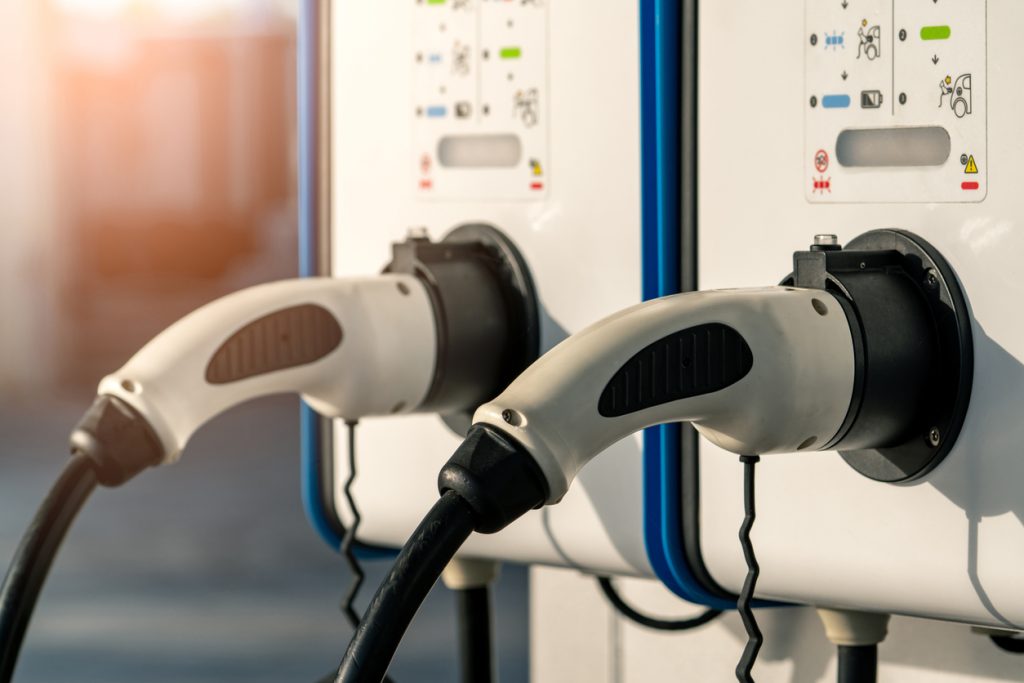
Electric vehicles are gradually changing how people and businesses think about transportation across Africa. With rising fuel costs, increasing interest in cleaner mobility, and growing investment in electric buses and cars, the demand for reliable charging infrastructure is becoming more important.
However, the EV charging network in Africa is still developing, and access to charging stations varies significantly between countries.
For Nigerian drivers, transport companies, and businesses considering electric vehicles, understanding where charging infrastructure exists and how it works is essential before making the switch.
How Electric Vehicle Charging Is Developing Across Africa
Africa’s electric vehicle market is expanding, although charging infrastructure remains concentrated in selected urban areas.
Countries such as South Africa, Kenya, Rwanda, Egypt, and Nigeria are developing electric mobility solutions at different speeds.
South Africa has a more established public charging network, while Kenya and Rwanda have seen growing investment in electric motorcycles, buses, and battery-swapping infrastructure.
In Nigeria, electric mobility initiatives are emerging in cities such as Lagos and Abuja, particularly around commercial transportation and fleet operations.
However, drivers should not assume that charging stations are available along every major highway.
Where Can Drivers Find EV Charging Stations in Nigeria?
Public electric vehicle charging infrastructure in Nigeria remains limited compared with conventional petrol stations.
Charging availability is more likely around major cities, private facilities, and selected electric vehicle projects.
Drivers considering electric vehicles should investigate charging options in locations such as:
- Lagos: Selected commercial facilities and private charging installations.
- Abuja: Emerging electric mobility projects and charging infrastructure.
- Other major cities: Limited facilities depending on local operators and investments.
Before travelling, confirm whether a charging station is operational, publicly accessible, and compatible with your vehicle.
This is particularly important for longer journeys.
Can Electric Vehicles Handle Interstate Travel in Nigeria?
Travelling between Lagos and Ibadan may be manageable for certain electric vehicles with sufficient battery range.
However, longer journeys, such as Lagos to Abuja, require more careful planning.
Battery consumption depends on several factors, including vehicle weight, air-conditioning, road conditions, driving speed, and traffic.
For example, an electric vehicle advertised with a 350-kilometre driving range may achieve less under demanding conditions.
Drivers should calculate their expected energy consumption and identify reliable charging locations before departure.
For businesses moving passengers or goods across states, conventional transport arrangements may remain more practical where charging infrastructure is unavailable.
Travo.ng offers transport coordination and vehicle hire services that customers can explore when planning journeys requiring dependable road transport.
What Does Charging an Electric Vehicle Cost?
Electric vehicle charging costs depend on electricity tariffs, battery capacity, and the charging provider.
Consider a vehicle with a 50 kWh battery.
At an illustrative electricity rate of ₦200 per kWh, a theoretical full charge would cost approximately ₦10,000 before charging losses and additional provider fees.
Actual costs may differ considerably.
Home charging can also require investment in suitable electrical equipment, while public fast-charging services may charge different rates.
Businesses operating electric delivery vehicles should compare electricity expenses with vehicle acquisition, maintenance, charging downtime, and infrastructure costs.
What Is Holding Back Africa’s Charging Infrastructure?
The biggest challenge is not simply installing charging stations.
Operators must also consider electricity reliability, equipment maintenance, compatible charging connectors, payment systems, and customer demand.
In Nigeria, unstable electricity supply can make backup power arrangements necessary.
Charging stations must also be positioned where vehicles actually operate, including commercial districts, transport terminals, and busy travel corridors.
For logistics companies, reliable charging near warehouses and delivery routes could eventually make electric fleets more practical.
Planning Transport While Electric Mobility Expands
The EV charging network in Africa is improving, but infrastructure development remains uneven.
Nigerian travellers and businesses should assess charging availability, vehicle range, and journey requirements before depending on electric transport.
For immediate travel, delivery, or business logistics needs, Travo.ng provides a practical option for arranging transport services without relying on developing charging infrastructure.
Whether you need vehicle hire, transport coordination, or logistics support, visit Travo.ng to explore available services and plan your next movement with greater confidence.
