


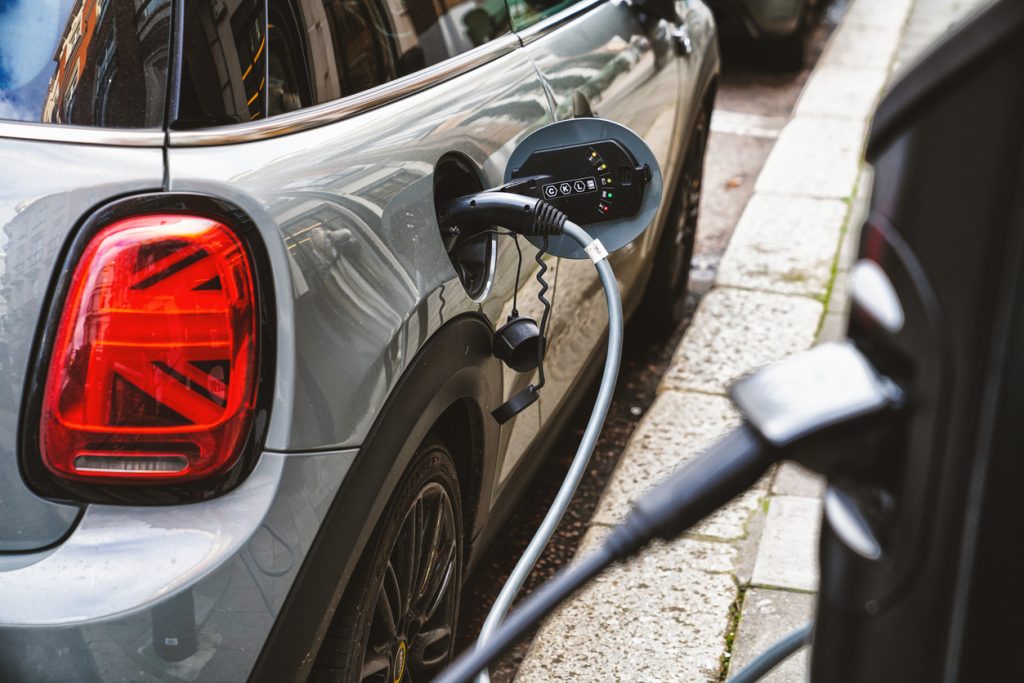
Electric vehicles are gradually becoming part of Africa’s transport industry, but finding a reliable place to charge remains a major concern for drivers. Unlike petrol stations, which are available along most major roads, electric vehicle charging points are still concentrated in selected cities.
For anyone considering an electric car or planning a long-distance journey, understanding where to find EV charging stations in Africa can make the difference between a smooth trip and an unexpected delay.
Where Can You Find EV Charging Stations in Africa?
Charging infrastructure is developing at different speeds across African countries.
South Africa has one of the continent’s more established public charging networks, particularly around Johannesburg, Cape Town, Pretoria, and Durban.
Kenya is also expanding its charging infrastructure, with installations in Nairobi and other urban locations supporting electric cars, motorcycles, and commercial fleets.
In Nigeria, charging facilities remain limited compared with conventional filling stations. Lagos and Abuja are important emerging markets, with some charging installations associated with private businesses, dealerships, and electric mobility operators.
Other countries, including Egypt, Morocco, Rwanda, and Ghana, are developing charging networks as electric mobility adoption increases.
However, not every listed charging location is publicly accessible. Drivers should confirm availability before travelling.
How Much Does It Cost to Charge an Electric Vehicle?
Charging expenses depend on electricity tariffs, battery capacity, charging speed, and the operator’s pricing structure.
For example, an electric car with a 50 kWh battery may require approximately 40 kWh to move from 10% to 90% charge, excluding energy losses.
If electricity costs ₦200 per kWh, the electricity component would be approximately ₦8,000 before charging losses or additional service fees.
This is an illustrative calculation, not a verified public charging tariff.
Public fast chargers may cost more than residential charging because operators must recover equipment, maintenance, and infrastructure expenses.
Before using a charging station, confirm whether payment is calculated per kilowatt-hour, charging session, or time spent connected.
Can You Travel Between Nigerian Cities Using an Electric Car?
Travelling from Lagos to Ibadan may be practical for many modern electric vehicles, depending on battery capacity, starting charge, traffic, and driving conditions.
Longer journeys, such as Lagos to Abuja, require more careful preparation.
Drivers should identify charging opportunities along their routes rather than assuming every major town has a working public charger.
Important preparations include:
- Checking the vehicle’s realistic highway driving range.
- Confirming charging connector compatibility.
- Contacting charging operators before departure.
- Allowing extra time for charging stops.
- Identifying alternative charging locations.
During heavy traffic, air-conditioning use and other operating conditions can also affect energy consumption.
What African EV Drivers Should Check Before Charging
Not all electric vehicles use identical charging connectors.
Some vehicles support CCS2 connections, while others use CHAdeMO, Type 2, or different charging standards.
A charging station may therefore be operational but incompatible with a particular vehicle.
Drivers should also check operating hours, payment requirements, charging speed, and whether advance booking is necessary.
For commercial operators managing electric delivery vehicles, charging schedules must account for daily delivery distances and vehicle availability.
Poor charging coordination can interrupt deliveries even when vehicles are otherwise ready for service.
Planning Electric Vehicle Travel With Travo.ng
As EV charging stations in Africa continue to expand, reliable journey planning remains essential.
For travellers who cannot depend on charging availability along a particular route, conventional vehicle hire or coordinated transport may provide a practical alternative.
Travo.ng offers travel and transport coordination services that can help customers explore suitable arrangements for airport transfers, business journeys, and interstate movement.
Businesses evaluating electric delivery fleets should also consider route distances, charging access, and backup logistics arrangements before committing to daily operations.
The Road Ahead for Electric Mobility in Africa
Africa’s charging infrastructure is growing, but coverage remains uneven.
The biggest improvements will come from dependable charging locations, transparent pricing, compatible equipment, and better access outside major cities.
Until charging networks become more widespread, drivers should verify charging facilities before departure and keep alternative transport arrangements available.
For practical travel planning, vehicle hire, and transport coordination in Nigeria, visit Travo.ng to explore available services and arrange a journey that suits your needs.
