


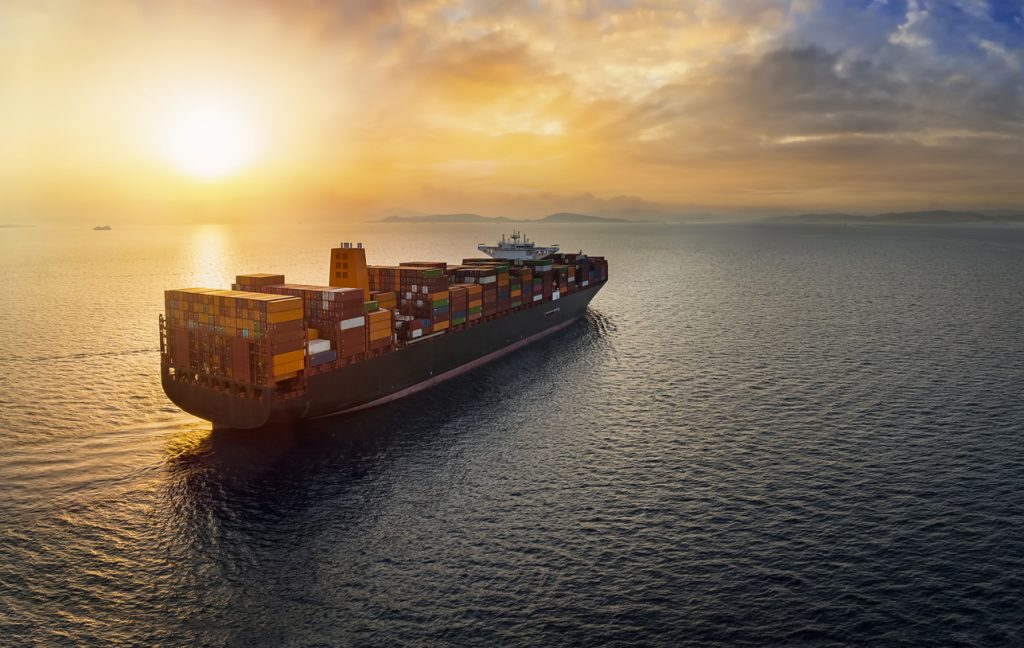
Importing from China to Nigeria is the process of sourcing goods from Chinese suppliers, shipping them internationally, and clearing them through Nigeria Customs Service (NCS) before distribution in Nigeria.
In simple terms:
You buy goods in China → ship them to Nigeria → clear customs → pay duties → release cargo.
⚙️ Step-by-step process to import from China to Nigeria
1. Product sourcing in China
You can source goods via:
- Alibaba / 1688 / Made-in-China platforms
- verified suppliers or factories
- sourcing agents in China
👉 Always confirm:
- product quality
- supplier legitimacy
- export capability
2. Price negotiation & order confirmation
You agree on:
- unit price
- minimum order quantity (MOQ)
- shipping terms (FOB, CIF, DDP)
- payment terms (usually 30% deposit + balance)
3. Production and packaging
Supplier:
- manufactures goods
- packages them for export
- prepares export documentation
4. Export clearance in China
Chinese exporter handles:
- export declaration
- customs clearance
- container booking
5. Shipping to Nigeria
🚢 Sea freight (most common)
- FCL (Full Container Load)
- LCL (Shared container)
- Transit time: 35–50 days
✈️ Air freight
- faster (5–10 days)
- more expensive
6. Arrival at Nigerian ports
Cargo arrives at:
- Apapa Port
- Tin Can Island Port
- Onne Port
- Lagos Airport (air cargo)
7. Nigeria Customs clearance
You must clear goods through Nigerian Customs NICIS II system:
Required steps:
- Form M processing
- PAAR issuance
- HS code classification
- duty and VAT payment
- inspection (if selected)
Nigeria Customs Service
8. Payment of import charges
You will pay:
- Import duty (0%–35%)
- VAT (7.5%)
- CISS levy and other charges
- terminal handling fees
9. Cargo release & delivery
After approval:
- cargo is released
- trucked to warehouse or market
- goods enter Nigerian supply chain
📦 Common shipping methods from China to Nigeria
🚢 Sea freight (dominant)
- cheapest for bulk imports
- suitable for containers
- slower but cost-efficient
✈️ Air freight
- used for urgent or high-value goods
- faster but expensive
📦 DDP (Door-to-door shipping)
- supplier handles shipping + customs
- popular for small businesses
- higher total cost but simpler
💰 Main costs involved in importing from China
1. Product cost
- factory price or wholesale price
2. Shipping cost
- freight (sea or air)
- insurance
3. Customs charges in Nigeria
- duty (based on HS code)
- VAT (7.5%)
- levies
4. Port and logistics fees
- demurrage
- storage
- trucking
⚠️ Common challenges when importing from China to Nigeria
- wrong HS code classification
- delayed shipments (35–50 days sea freight)
- customs valuation adjustments
- port congestion in Lagos
- exchange rate fluctuations
- hidden shipping charges
📉 2026 trend in China–Nigeria imports
- more SMEs importing directly from China
- increased use of DDP shipping
- stricter customs valuation enforcement
- higher focus on documentation accuracy
- rising freight cost volatility
🧠 Simple summary
To import from China to Nigeria:
- source product from supplier
- agree on price and shipping terms
- ship via sea or air freight
- clear through Nigerian Customs (Form M + PAAR + NICIS II)
- pay duties and VAT
- release cargo and distribute
🚚 Where Travo.ng fits into China–Nigeria import operations
Importing goods is global—but execution is local
Even after goods arrive, import operations still require:
- airport pickup for sourcing trips to China or supplier visits
- movement between ports, customs offices, and warehouses
- inspection coordination visits
- supplier meetings and logistics coordination
- urgent travel during clearance delays
🚖 How Travo.ng supports importers in Nigeria
Travo.ng supports importers and traders by providing:
- Airport pickup for business and procurement teams
- Executive transport across Apapa, Tin Can, and Lagos logistics corridors
- Hotel booking for international partners and sourcing agents
- Corporate travel coordination
- Time-sensitive mobility during customs clearance operations
When imports become complex, fast movement of people keeps operations running smoothly
