


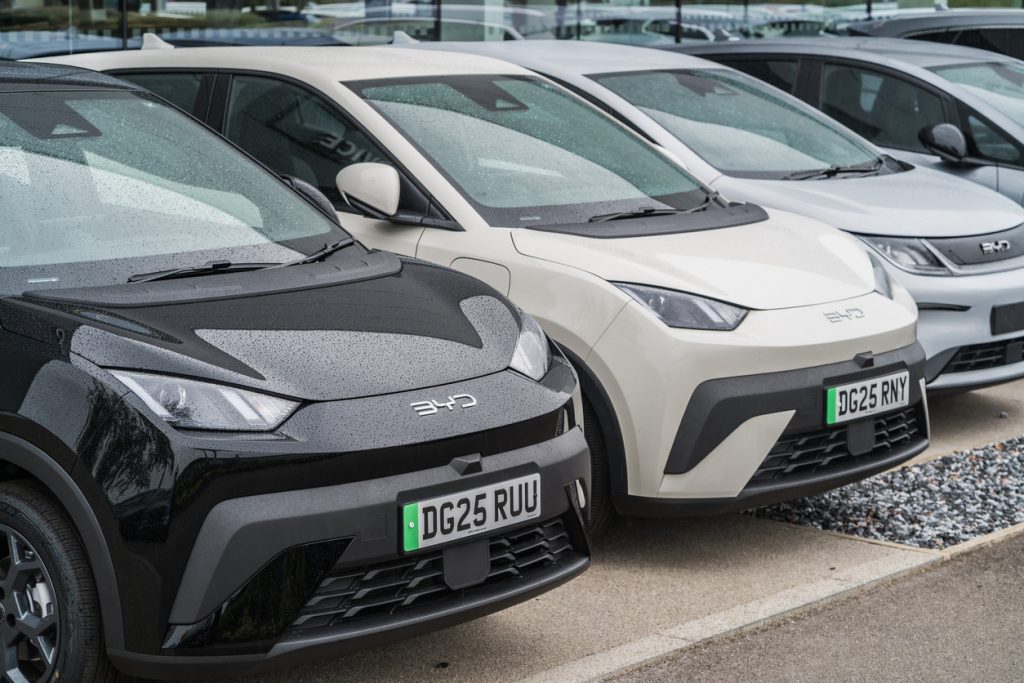
Electric mobility investment in Africa is attracting attention as governments, transport operators, and private investors search for ways to reduce fuel expenses and improve transportation systems. Across Nigeria, Kenya, Ghana, and other African markets, electric vehicles are gradually becoming part of discussions about affordable and sustainable mobility.
For businesses operating delivery fleets, commercial buses, and logistics vehicles, the interest goes beyond environmental concerns. Rising operating costs, vehicle maintenance expenses, and unpredictable fuel prices are encouraging companies to consider electric transportation alternatives.
However, successful investment requires understanding local infrastructure, electricity availability, and the practical challenges of operating vehicles across African cities.
Where Electric Mobility Investment in Africa Is Growing
Several African countries are developing electric transportation markets, although adoption differs significantly between locations.
Kenya has attracted investment in electric motorcycles and charging infrastructure, particularly for commercial transport operations. Rwanda has also supported electric motorcycle adoption, while South Africa has a developing electric passenger vehicle market.
In Nigeria, commercial opportunities are emerging around electric buses, motorcycles, charging stations, and fleet conversion.
Lagos presents an interesting market because delivery companies and transport operators frequently cover predictable urban routes.
A delivery motorcycle operating between Ikeja, Maryland, and Yaba, for example, may be easier to electrify than a truck travelling between Lagos and Abuja.
The difference comes down to battery capacity, charging access, vehicle load, and daily travel distance.
What Investors Should Consider Before Funding Electric Transport
Investing in electric transportation requires more than purchasing vehicles.
Businesses must evaluate the entire operating system, including:
- Charging infrastructure: Reliable electricity and accessible charging locations.
- Battery performance: Driving range under realistic traffic and loading conditions.
- Maintenance support: Availability of trained technicians and replacement components.
- Vehicle utilisation: Daily mileage and the number of trips completed.
- Financing arrangements: Purchase costs, leasing options, and battery replacement expenses.
In Lagos, a commercial electric vehicle may spend several hours navigating congestion around Apapa or Lekki.
Investors must therefore calculate actual energy consumption under stop-and-go traffic conditions rather than relying entirely on manufacturers’ advertised driving ranges.
Can Electric Vehicles Reduce Logistics Costs in Nigeria?
Electric vehicles can reduce certain operating expenses, particularly where businesses maintain predictable delivery routes and reliable charging facilities.
Consider a courier company handling daily parcel deliveries within Victoria Island and Lekki.
Replacing petrol-powered motorcycles with electric alternatives could reduce spending on fuel and some routine engine maintenance.
However, the financial outcome depends on electricity tariffs, battery replacement costs, financing charges, and vehicle availability.
Businesses should compare total ownership costs over several years instead of focusing exclusively on purchase prices.
For interstate cargo transportation, electric adoption remains more complicated because charging infrastructure and long-distance vehicle availability are still developing.
Charging Infrastructure Remains a Major Investment Opportunity
One obstacle facing electric transportation across Africa is insufficient charging infrastructure.
Commercial charging stations, battery-swapping facilities, and renewable-powered charging systems present opportunities for investors.
In cities such as Lagos, Abuja, Accra, and Nairobi, strategically located charging facilities could support delivery motorcycles, taxis, and commercial fleets.
However, investors should prioritise locations with measurable vehicle demand rather than installing charging stations without confirmed customers.
Partnerships with transport companies can help establish predictable charging volumes and improve commercial viability.
How Travo.ng Supports Changing Transport Needs
As electric mobility investment in Africa expands, businesses still need dependable transportation and logistics coordination.
Travo.ng supports practical mobility requirements through vehicle hire arrangements, courier services, cargo logistics, and business transport coordination.
Companies exploring fleet changes can benefit from reviewing their existing delivery routes, transportation schedules, and operational requirements before introducing new vehicles.
For businesses operating across Lagos, Abuja, and other Nigerian cities, efficient route planning remains important regardless of whether vehicles use petrol, diesel, or electricity.
Electric transportation will not replace conventional fleets overnight. Nevertheless, companies that understand their operating costs and transportation requirements will be better positioned to adopt emerging mobility solutions.
With careful investment, stronger charging infrastructure, and practical logistics planning, electric mobility can become an increasingly useful part of Africa’s transportation future.
Is this conversation helpful so far?
