


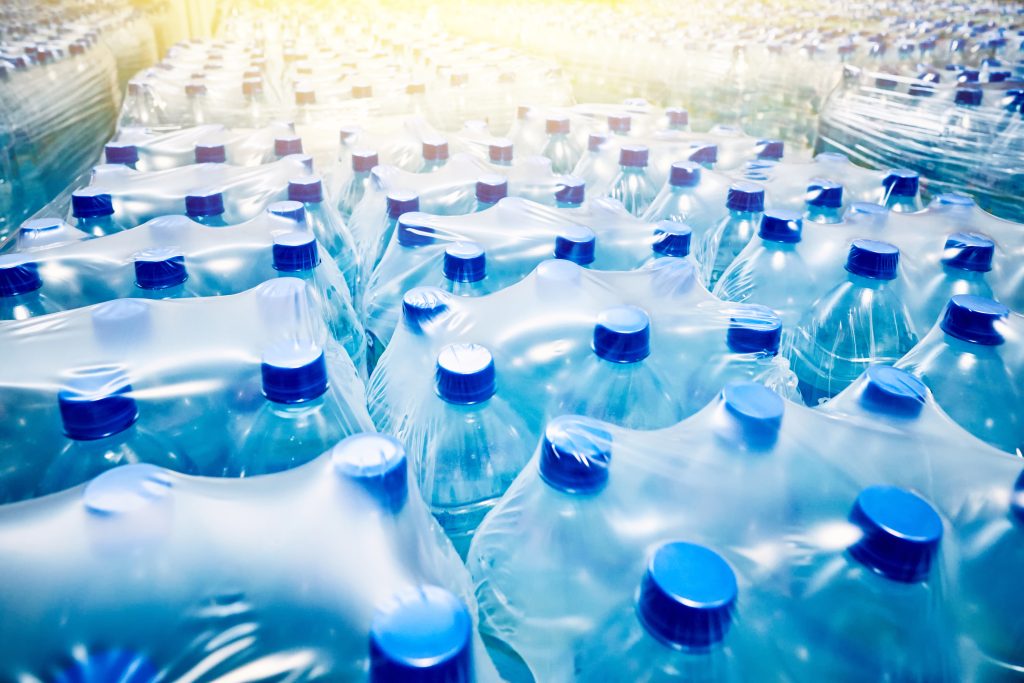
Getting affordable water in Nigeria has become a serious concern for households, businesses, and property managers. In cities like Lagos, Abuja, and Port Harcourt, many residents spend a significant portion of their monthly budgets on water because public supply is unreliable or unavailable.
For families living in areas such as Lekki, Ajah, Ikorodu, and parts of Abuja, maintaining a steady water supply often means combining borehole water, tanker deliveries, and packaged drinking water.
The challenge is finding a dependable supply without paying unnecessarily high prices.
Understanding your water needs, choosing suitable suppliers, and planning deliveries properly can help reduce expenses while keeping water available for daily activities.
What Makes Water Expensive in Different Parts of Nigeria?
Water costs vary depending on location, availability, transportation, and the type of supply required.
In some Lagos neighbourhoods, households depend on private boreholes because public water infrastructure does not reach their streets. Other residents purchase water from commercial suppliers who transport it using tankers or smaller delivery vehicles.
Several factors influence pricing:
- Distance between the water source and delivery location.
- Fuel and transportation expenses.
- Quantity ordered per delivery.
- Water treatment and purification requirements.
- Seasonal demand, especially during periods of water scarcity.
- Accessibility of residential estates and commercial properties.
For example, delivering water to a property along the Lekki-Epe Expressway may involve different transportation costs from supplying a building in Ikeja.
Understanding these differences helps customers compare quotations instead of automatically choosing the cheapest advertised rate.
How to Find Affordable Water in Nigeria for Your Home
Households can reduce water expenses by identifying how much water they actually consume.
A family of five may require several hundred litres daily for bathing, cleaning, cooking, and other domestic activities, depending on usage habits.
Instead of purchasing small quantities repeatedly, households with adequate storage facilities can consider scheduled bulk deliveries.
Practical ways to manage costs include:
- Estimate monthly consumption: Monitor how quickly your household uses stored water.
- Compare local suppliers: Request quotations that include transportation and delivery charges.
- Install suitable storage tanks: Adequate storage reduces emergency purchases.
- Check water quality: Confirm that water is suitable for its intended use.
- Schedule deliveries early: Avoid waiting until your tank is completely empty.
A household in Ajah, for instance, may find that arranging regular water deliveries is more economical than requesting urgent deliveries whenever its storage tank runs dry.
Choosing Between Borehole Water, Tanker Supply, and Packaged Water
Not every water source serves the same purpose.
Borehole water is commonly used for domestic activities, although treatment may be necessary depending on mineral content and contamination risks.
Tanker deliveries can support residential estates, construction sites, hotels, and businesses requiring larger quantities.
Packaged drinking water is another option for households without reliable access to properly treated drinking water.
Before choosing a supplier, consider the intended use.
Water suitable for washing vehicles or construction work should not automatically be considered safe for drinking or food preparation.
For drinking water, request credible quality assurance information and use appropriate treatment where necessary.
How Much Should You Budget for Water Delivery in Lagos?
Water delivery prices are not fixed across Nigeria.
A supplier may calculate charges based on litres supplied, tanker capacity, delivery distance, pumping requirements, and accessibility.
For example, a property requiring 5,000 litres will generally have different supply arrangements from a commercial facility ordering 20,000 litres.
When requesting quotations, ask suppliers to clarify:
- Total volume being delivered.
- Price of the water itself.
- Transportation and pumping charges.
- Expected delivery date.
- Any additional charges for difficult access.
This approach makes it easier to compare suppliers fairly.
For businesses, maintaining a delivery schedule can also reduce unexpected expenses caused by emergency purchases.
Affordable Water Supply for Businesses and Commercial Properties
Restaurants, hotels, schools, laundries, and manufacturing facilities often consume significantly more water than residential households.
A restaurant in Victoria Island, for example, cannot afford prolonged water shortages during operating hours. Cleaning, food preparation, and sanitation all depend on adequate supply.
Similarly, a laundry business in Surulere may experience service delays if water deliveries arrive later than expected.
Businesses should consider maintaining reserve storage, monitoring daily consumption, and arranging deliveries before supplies reach critical levels.
Travo.ng offers logistics and transport coordination services that can support businesses managing supply arrangements. Customers can enquire about suitable transportation and delivery coordination for their requirements, subject to service availability.
Avoid These Mistakes When Ordering Water in Nigeria
Choosing a supplier solely because of a low quotation can create expensive problems later.
Some customers discover that delivery fees were excluded from the original price. Others receive water that requires additional treatment before use.
Before confirming an order, verify the quantity, source, delivery arrangements, and applicable charges.
Also ensure that delivery vehicles can access the property. Narrow estate roads, restricted entry periods, and poor road conditions can complicate deliveries.
For large commercial orders, agreeing on delivery windows and confirming storage capacity beforehand helps prevent unnecessary delays.
Get Affordable Water in Nigeria With Better Delivery Planning
Finding affordable water in Nigeria requires more than searching for the lowest price. Reliable supply, safe water quality, adequate storage, and sensible delivery arrangements all influence the overall cost.
Households can save money by monitoring consumption and scheduling purchases, while businesses can reduce disruptions through consistent supply planning.
For customers who need assistance coordinating transportation or business logistics, Travo.ng provides practical logistics support across its service areas.
Contact Travo.ng to discuss your delivery and transport coordination needs and explore suitable arrangements for keeping essential supplies moving without unnecessary expenses.
