


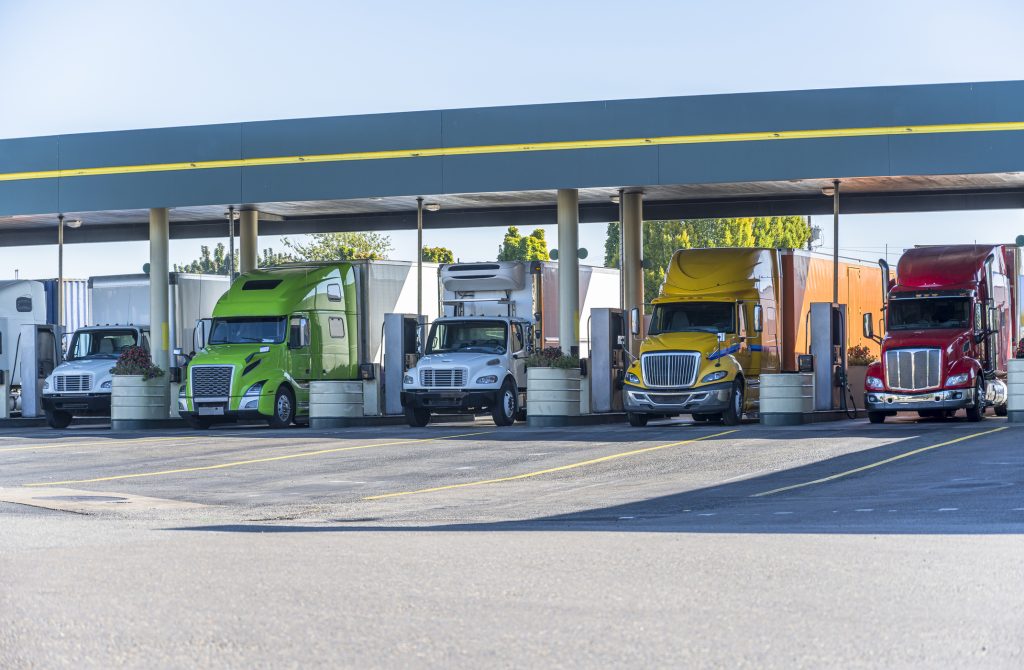
Fuel expenses can quickly eat into business profits, especially when a company operates delivery vans, trucks, or multiple vehicles daily. Without proper monitoring, businesses may spend more on petrol and diesel than necessary.
Effective fuel spend management in Nigeria helps companies control transport expenses, reduce unnecessary consumption, and keep their operations running without unexpected financial pressure.
For businesses moving goods between Lagos, Abuja, Port Harcourt, and other commercial cities, managing fuel consumption requires more than recording filling station receipts.
Where Nigerian Businesses Lose Money on Fuel
Many companies focus on fuel prices without examining how their vehicles consume fuel during daily operations.
A delivery van operating between Ikeja, Victoria Island, and Lekki may spend hours in traffic. Frequent stops, unnecessary idling, and poorly planned routes increase consumption.
Other common problems include:
- Drivers purchasing fuel without proper documentation.
- Vehicles making unnecessary return trips.
- Poor maintenance increasing fuel consumption.
- Unapproved fuel purchases.
- Inaccurate mileage and delivery records.
- Multiple vehicles covering routes that could be combined.
These small expenses become significant when repeated across an entire fleet.
How to Improve Fuel Spend Management in Nigeria
Businesses need practical systems that connect fuel purchases with actual transport activities.
Start by recording how much fuel each vehicle purchases, the distance travelled, and the deliveries completed.
For example, if a delivery van consumes 50 litres while covering 250 kilometres, its average consumption is 20 litres per 100 kilometres.
Comparing this figure across similar routes helps managers identify unusual spending.
Businesses should also establish fuel purchase limits based on vehicle type, assigned routes, and expected mileage.
Digital records or simple spreadsheets can help smaller companies monitor expenses without investing immediately in expensive fleet management software.
Plan Delivery Routes Before Vehicles Leave
Poor route planning is one of the biggest contributors to unnecessary fuel consumption.
A business delivering goods from Apapa to Ikeja, Yaba, and Lekki should organise its stops according to delivery deadlines, traffic conditions, and vehicle capacity.
Sending separate vehicles to nearby destinations often increases operating costs.
Combining compatible deliveries can reduce repeated journeys, although urgent orders may still require dedicated transport.
Travo.ng supports businesses with delivery services, cargo logistics, and transport coordination, helping companies organise movement around their operational requirements.
Monitor Drivers and Vehicle Maintenance
Fuel monitoring should involve drivers, fleet supervisors, and maintenance teams.
Drivers should record mileage before and after assigned journeys. Fuel purchases should also match approved trips.
Regular servicing matters because underinflated tyres, clogged filters, and mechanical faults can increase consumption.
A vehicle that consistently uses more fuel than similar vehicles deserves inspection before management assumes the driver is responsible.
Businesses should review fuel performance weekly rather than waiting until monthly expenses become difficult to explain.
Budget for Changing Fuel Prices in Nigeria
Fuel prices can change, making fixed transport budgets unreliable.
Companies operating interstate routes should review fuel allowances regularly and include reasonable contingency amounts.
For example, a logistics company moving goods between Lagos and Abuja should calculate expected fuel consumption, estimated pump prices, vehicle loading, and possible traffic delays before quoting customers.
This reduces the risk of accepting delivery jobs that cost more to complete than expected.
Get Better Control of Business Transport Expenses
Successful fuel spend management in Nigeria depends on accurate records, sensible route planning, regular vehicle maintenance, and responsible purchasing.
Businesses that monitor these activities can identify waste and make better transport decisions.
For companies looking to coordinate deliveries without managing every vehicle movement internally, Travo.ng offers practical courier services, cargo movement, and business logistics support.
Contact Travo.ng to discuss your transport requirements and organise deliveries more efficiently while keeping fuel-related operating costs under control.
