


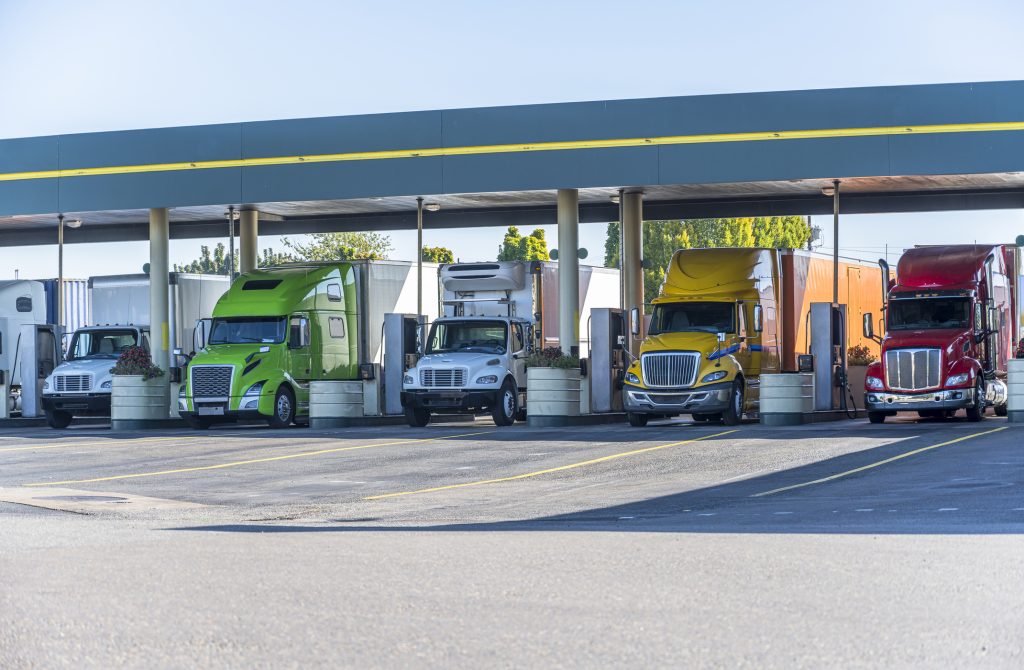
Fuel is one of the biggest running costs for bus operators in Nigeria. For companies managing staff buses, interstate coaches, school transport, airport shuttles, or commercial fleets, poor fuel monitoring can quietly reduce profit on every trip. This is why fuel control for bus companies in Nigeria has become an important part of daily fleet management.
The challenge is not simply buying diesel or petrol. Bus companies need to know how much fuel each vehicle should consume, whether drivers are following planned routes, how traffic affects consumption, and where unexpected losses are coming from.
Know How Much Fuel Each Bus Should Normally Use
The first step is creating a realistic fuel consumption benchmark for every vehicle.
A 14-seater bus operating within Lagos will not consume fuel the same way as a larger interstate bus travelling from Lagos to Abuja. Vehicle age, engine condition, passenger load, air conditioning, traffic and driving style all affect consumption.
Instead of giving every driver the same fuel allowance, operators should calculate expected consumption based on the route and vehicle.
For example, a bus repeatedly moving between Ikeja and Victoria Island may burn more fuel during heavy weekday traffic than the same distance travelled on a Sunday morning.
Tracking these differences makes unusual fuel usage easier to notice.
Route Planning Can Reduce Unnecessary Fuel Spending
Poor route coordination is one of the easiest ways to waste fuel.
A driver who leaves Lekki for a pickup in Ikeja without proper scheduling may spend hours in traffic before even beginning the main passenger journey. Multiple unnecessary pickups, wrong turns and poorly coordinated stops can increase fuel costs significantly.
Bus companies should plan:
- Passenger pickup points
- Departure times
- Refuelling locations
- Driver rest stops
- Alternative routes during congestion
- Vehicle return routes
Travo.ng can support businesses with transport coordination, vehicle hire and planned movement for staff, groups and corporate travel where tighter scheduling is required.
Watch Out for Fuel Loss That Looks Like Normal Consumption
Not every fuel problem comes from traffic.
Some companies only notice shortages when monthly expenses become unusually high. Common causes can include fuel diversion, inaccurate filling records, poor mileage reporting or buses being used for unauthorised trips.
A simple system can help.
Record the vehicle registration number, opening mileage, fuel quantity supplied, route travelled, closing mileage and driver name for every trip.
If one bus regularly uses significantly more fuel than similar vehicles travelling similar routes, it should be inspected.
This does not always mean misconduct. A clogged air filter, bad injector, underinflated tyres or engine problem can also increase fuel consumption.
Driver Behaviour Has a Bigger Effect Than Many Operators Expect
Aggressive acceleration, excessive idling and unnecessary speeding all increase fuel use.
In cities like Lagos and Abuja, long waiting periods are sometimes unavoidable. However, leaving a bus running for extended periods while waiting for passengers adds cost without increasing mileage.
Drivers should be trained to reduce unnecessary idling and report delays honestly.
For interstate services, companies can also compare fuel consumption between drivers using the same route. Large differences may point to driving habits or vehicle problems that need attention.
Fuel Records Should Match Maintenance Records
Fuel control works best when connected with fleet maintenance.
A bus that suddenly begins consuming more fuel may need servicing. Waiting until the vehicle develops a major fault can increase both repair costs and fuel expenses.
Operators should compare weekly fuel records against servicing schedules, tyre condition, engine performance and mileage.
For companies managing several buses, even a small reduction in fuel waste per vehicle can produce noticeable savings across the entire fleet.
Build Better Control Around Every Trip
Effective fuel control for bus companies in Nigeria is really about managing the entire transport operation properly.
Fuel purchases, routes, drivers, maintenance and passenger schedules all affect each other. When these areas are monitored together, companies can identify waste earlier and plan trips more efficiently.
Travo.ng supports businesses that need organised transport coordination, vehicle hire, airport pickups, group movement and other business logistics services across Nigeria.
For bus companies trying to reduce operating costs, better fuel control should not start with reducing trips. It should start with understanding exactly where fuel is being used, why consumption changes and how each vehicle is performing on the road.
