


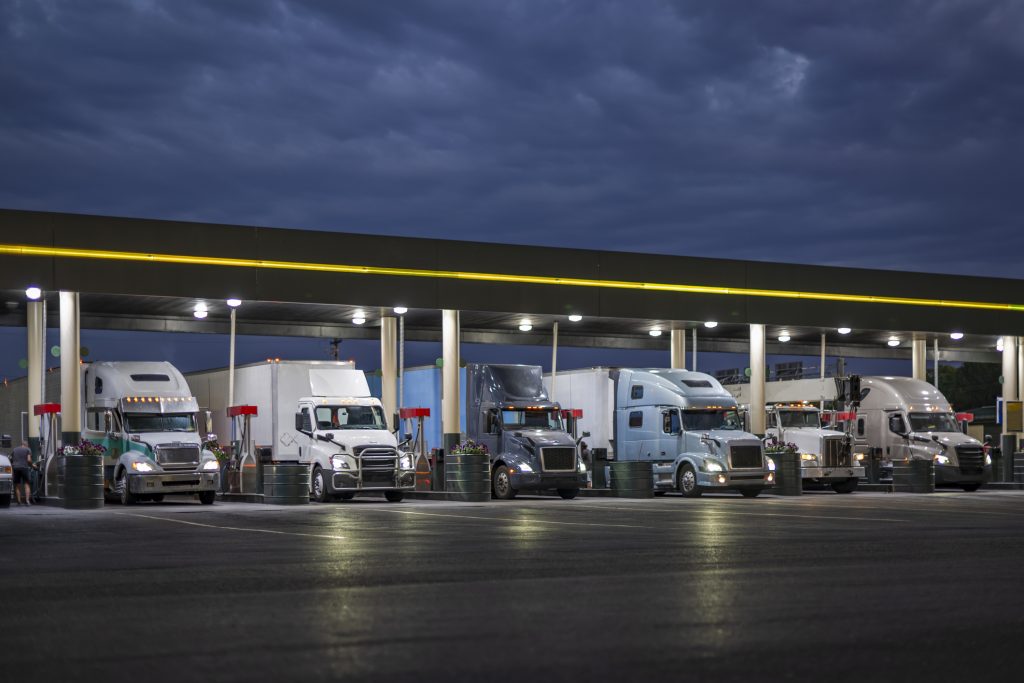
Running a transport business in Nigeria becomes difficult very quickly when fuel supply is unreliable. A company may have available vehicles, qualified drivers, confirmed trips, and paying customers, yet still lose hours because buses or trucks cannot refuel when required.
A dependable fuel solution for transport companies in Nigeria is therefore more than simply finding diesel or petrol. Transport operators need a system that supports predictable supply, fleet planning, cost control, and uninterrupted movement.
Travo.ng supports businesses with practical transport and logistics coordination, including fuel supply solutions that can help commercial fleets stay operational.
Fuel Shortages Can Disrupt an Entire Transport Schedule
Consider a transport company operating vehicles between Lagos and Abuja. Several buses may be scheduled to leave Lagos early in the morning while other vehicles are completing trips from Abuja.
If fuel becomes unavailable at the expected filling station, drivers may start searching elsewhere. That delay can affect passenger departure times, cargo delivery schedules, driver shifts, and even the next day’s operations.
The same problem affects haulage companies moving goods between Lagos, Ibadan, Benin, Abuja, and Port Harcourt.
For fleet operators, fuel availability needs to be planned alongside routes, vehicle maintenance, loading times, and driver schedules.
How Transport Companies Can Manage Fuel More Efficiently
The best fuel arrangement depends on fleet size and how the vehicles operate.
A company with five vehicles running mostly within Lagos will have different requirements from a haulage business managing 30 trucks across several states.
Transport companies should usually track:
- Average fuel consumption per vehicle
- Daily and weekly kilometres travelled
- Fuel required for regular routes
- Vehicle loading and idling patterns
- Refuelling frequency
- Fuel expenditure by driver or vehicle
For example, vehicles frequently operating through Apapa may spend considerable time idling during congestion. That can increase actual fuel consumption beyond what a simple distance calculation suggests.
Monitoring these differences makes budgeting more realistic.
Bulk Fuel Supply Can Help Larger Fleets
Transport businesses operating depots, logistics yards, or large commercial fleets may find scheduled fuel supply more practical than asking every driver to refuel independently.
Bulk supply can reduce unnecessary trips to filling stations and give fleet managers better visibility over fuel availability.
A structured supply arrangement can also be useful during high-demand periods when filling stations experience long queues or temporary shortages.
Companies should still maintain clear records showing the quantity received, vehicles supplied, dates, and consumption levels.
Without proper monitoring, even reliable fuel delivery will not solve poor fuel management.
Plan Fuel Around Your Main Transport Routesw
Route planning should include realistic refuelling decisions.
For a long-distance journey such as Lagos to Abuja, managers should know where vehicles can refuel safely without creating unnecessary delays. Interstate trucks may also require different planning depending on cargo weight, road conditions, traffic, and vehicle type.
Companies running airport pickups, staff transport, courier vehicles, or scheduled corporate movement face another challenge: timing.
A vehicle assigned to an early pickup at Murtala Muhammed International Airport should ideally be fuelled before dispatch. Sending a driver to find fuel shortly before collecting a customer creates an avoidable operational risk.
Keep Emergency Fuel Planning Separate From Daily Supply
Transport companies should not wait until the fuel gauge is almost empty before arranging supply.
A practical system normally includes minimum fuel thresholds. Once available stock or vehicle fuel levels reach an agreed point, replenishment can be scheduled.
This is particularly useful for businesses handling:
- Daily staff transportation
- Interstate passenger movement
- Cargo and haulage operations
- Last-mile deliveries
- Airport transfers
- Corporate vehicle fleets
Reliable operations depend on having enough fuel before demand becomes urgent.
Use Travo.ng to Support Transport Operations
Finding a practical fuel solution for transport companies in Nigeria should ultimately help the fleet complete more journeys with fewer disruptions.
Travo.ng can support businesses that need coordinated fuel supply alongside wider transport and logistics requirements. Companies can also arrange vehicle hire, cargo movement, courier services, business logistics support, and transport coordination where needed.
For transport operators managing several vehicles or frequent commercial trips, treating fuel as part of operational planning rather than an emergency purchase can improve reliability, control costs, and keep vehicles moving when customers expect them.
