


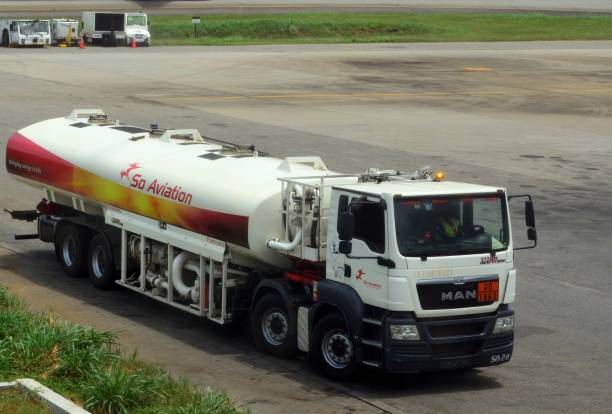
Fuel is one of the biggest operating expenses for Nigerian businesses that depend on vehicles, generators, trucks, dispatch bikes, or field teams. Yet many companies still rely on paper receipts, WhatsApp messages, handwritten logs, and end-of-month reconciliations to understand how much fuel they have bought.
Businesses looking to track fuel purchases in real time Nigeria need a system that gives managers better visibility before small discrepancies become serious expenses. Real-time monitoring can help companies know when fuel was purchased, how much was bought, which vehicle or operation used it, and whether spending matches expected consumption.
For transport and logistics businesses, this information can make daily fleet management much easier.
Why Fuel Spending Becomes Difficult to Control
Consider a company running delivery vehicles between Ikeja, Lekki, Victoria Island, and the Lagos mainland. Drivers may refuel at different stations during the day, sometimes while completing urgent deliveries.
Without proper tracking, management may only see receipts several days later.
Problems can include:
- Missing or duplicated fuel receipts
- Drivers reporting incorrect fuel quantities
- Fuel expenses that do not match kilometres travelled
- Difficulty separating vehicle fuel from generator fuel
- Unexpected increases in weekly operating costs
- Delayed reimbursement and reconciliation
These problems become even harder to manage when a business operates vehicles across Lagos, Abuja, Port Harcourt, or interstate routes.
What Real-Time Fuel Tracking Should Show
A useful fuel monitoring process should provide more than a monthly total.
Businesses should ideally be able to see the purchase date, amount paid, litres purchased, vehicle or driver involved, location, and operational purpose.
For example, if a truck travelling from Lagos to Abuja refuels twice during the trip, the operations team should be able to compare those purchases with the expected distance and normal consumption of that particular vehicle.
Sudden differences become easier to investigate.
Managers can also compare fuel spending across vehicles. If two similar vans cover comparable routes but one consistently consumes significantly more fuel, there may be a maintenance problem, excessive idling, route inefficiency, or inaccurate reporting.
Track Fuel Purchases in Real Time Nigeria Across Your Fleet
Real-time visibility is particularly useful for businesses managing several vehicles at once.
A logistics company might have one van delivering goods around Ikeja, another handling Lekki and Ajah deliveries, while a truck moves cargo towards Ibadan. Waiting until the end of the week to understand fuel spending makes cost control difficult.
Monitoring purchases as they happen allows operations teams to identify unusual transactions quickly.
It also helps with budgeting. Instead of guessing how much fuel the fleet may consume next month, managers can use actual operating data from previous weeks and routes.
Combine Fuel Records With Vehicle Operations
Fuel information becomes more valuable when businesses compare it with actual transport activity.
Companies should monitor details such as:
- Distance travelled
- Number of deliveries completed
- Vehicle type
- Traffic conditions
- Idling time
- Interstate trips
- Vehicle maintenance history
Lagos traffic is a good example. A delivery van spending several hours between Lekki and Victoria Island may consume noticeably more fuel than another vehicle covering the same distance during quieter periods.
Looking only at kilometres travelled would not explain the difference.
Operational context matters.
Reducing Unnecessary Fleet Costs
Tracking fuel does not automatically reduce spending. Businesses still need clear controls.
Drivers should know where approved refuelling can take place and what information must be recorded after every purchase. Fleet managers should regularly compare fuel consumption with expected vehicle performance.
Vehicles showing unusually high consumption should also be inspected. Poor tyre pressure, faulty injectors, engine problems, overloaded vehicles, and unnecessary idling can all increase fuel usage.
Route planning can make another noticeable difference. Combining deliveries within the same area instead of sending vehicles repeatedly across Lagos can reduce both fuel spending and vehicle wear.
Use Better Transport Coordination With Travo.ng
Travo.ng supports businesses that need practical transport and logistics coordination across Nigeria. Companies handling regular deliveries, cargo movement, vehicle operations, and business logistics can use better planning to reduce unnecessary trips and improve fleet efficiency.
When businesses track fuel purchases in real time Nigeria, they gain a clearer picture of where operational money is going.
Combined with sensible route planning, vehicle monitoring, and reliable logistics coordination, fuel tracking can turn an unpredictable expense into something managers can properly measure and control.
For Nigerian businesses running active fleets, that visibility can mean fewer unexplained expenses, better budgeting, and more efficient day-to-day operations.
