


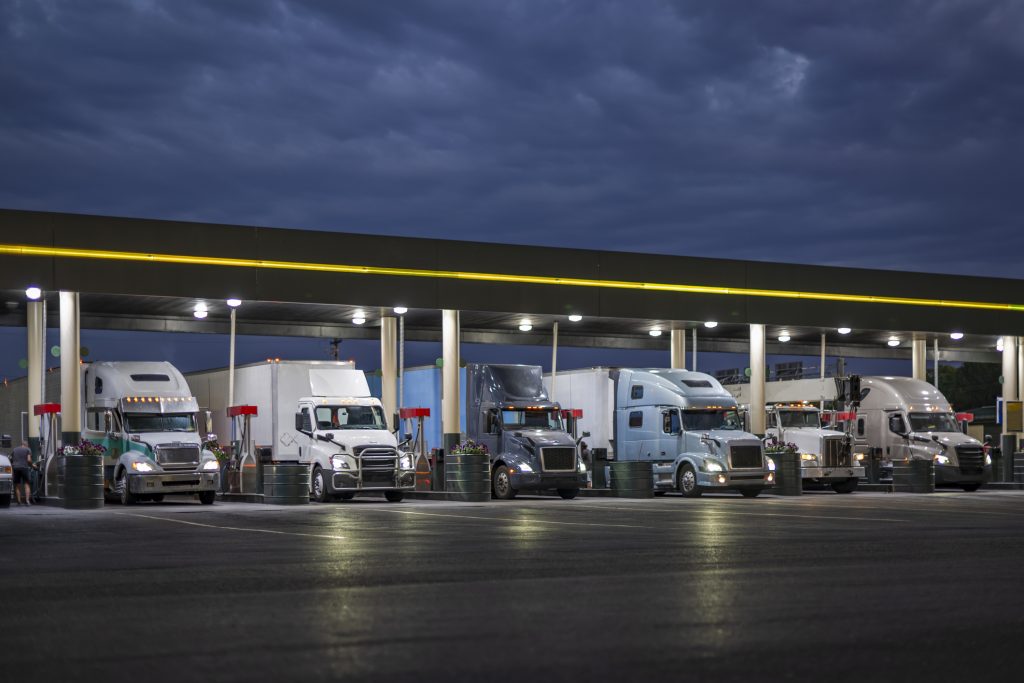
Managing fuel expenses across several vehicles can quickly become difficult, especially for businesses operating in Lagos, Abuja, Port Harcourt and other Nigerian cities. An automated fuel payment system in Nigeria gives companies a more controlled way to pay for fuel, monitor transactions and reduce the problems that come with cash-based purchases.
For businesses running delivery vans, trucks, staff buses or operational vehicles, fuel is often one of the biggest recurring transport expenses. Travo.ng helps businesses coordinate practical transport and fleet-related solutions that make daily operations easier to manage.
What an Automated Fuel Payment System Actually Does
Instead of handing drivers cash whenever they need diesel or petrol, an automated system allows fuel purchases to be handled through a controlled payment platform.
Depending on how the system is configured, a business can track information such as:
- Vehicle or driver making the purchase
- Amount spent on fuel
- Date and location of the transaction
- Approved spending limits
- Frequency of refuelling
- Total fuel expenditure over a particular period
This creates a clearer record than collecting handwritten receipts from drivers at the end of the week.
For example, a Lagos distribution company operating ten vans between Ikeja, Victoria Island, Lekki and the mainland can see how much each vehicle spends instead of treating fuel expenditure as one large monthly figure.
Reducing Cash Handling for Drivers
Cash-based fuel purchases can create unnecessary operational problems.
A driver leaving Lagos for Abuja may need money for several refuelling stops. Another vehicle handling deliveries around Lagos may require additional fuel because traffic keeps the engine running for several hours.
Giving drivers unrestricted cash makes it harder to separate legitimate fuel purchases from unrelated expenses.
With an automated fuel payment system in Nigeria, businesses can introduce spending controls while still giving drivers convenient access to fuel when they need it.
This is particularly useful for courier companies, corporate fleets, haulage operators and businesses managing vehicles across different locations.
Fuel Monitoring Helps Businesses Spot Unusual Spending
Fuel consumption will never be identical across every vehicle.
A truck carrying cargo from Lagos to Ibadan will consume differently from a small delivery van operating within Surulere. Heavy traffic, vehicle condition, load weight, route length and driving habits all affect consumption.
The important thing is having enough transaction information to notice unusual patterns.
If one vehicle normally uses ₦70,000 worth of fuel within a particular operating cycle and suddenly begins recording ₦110,000 without additional trips, management has a reason to investigate.
It may be caused by longer journeys, mechanical problems, fuel leakage, unauthorised use or inefficient driving.
Without proper fuel records, these differences can easily disappear inside general operating expenses.
Setting Fuel Limits for Different Vehicles
Not every vehicle should have the same fuel allowance.
A company can structure limits based on vehicle type, assigned route and expected workload.
For instance, a delivery van operating around Ikeja may have a different limit from a truck moving goods between Lagos and Abuja.
Businesses can also review limits during periods of increased activity. During festive seasons, major promotions or month-end distribution periods, some vehicles may complete more journeys than usual.
Having structured controls makes it easier to increase legitimate allowances without losing visibility over spending.
Combining Fuel Control With Better Fleet Coordination
Fuel payment works best when it forms part of broader fleet management.
Businesses should also monitor vehicle scheduling, maintenance, driver assignments and delivery routes.
Poor route planning can increase fuel costs even when payment controls are working properly. A driver repeatedly crossing Lagos during peak traffic periods may burn considerably more fuel than one following a properly planned delivery sequence.
Travo.ng can support businesses with transport coordination, vehicle hire, cargo logistics, courier services and other operational logistics requirements.
This allows companies to approach fuel management as part of their wider transport operation rather than treating it as an isolated expense.
Get Better Control of Business Fuel Spending
An automated fuel payment system in Nigeria can give fleet owners better visibility over one of their most important recurring expenses.
The goal is not simply to replace cash. It is to know where fuel money is going, control how it is spent and identify inefficient patterns before they become expensive problems.
For businesses operating delivery vehicles, trucks, staff transport or corporate fleets, Travo.ng provides practical logistics and transport support designed around real Nigerian operating conditions. Better payment controls combined with organised fleet coordination can make everyday vehicle operations easier to track and manage.
