


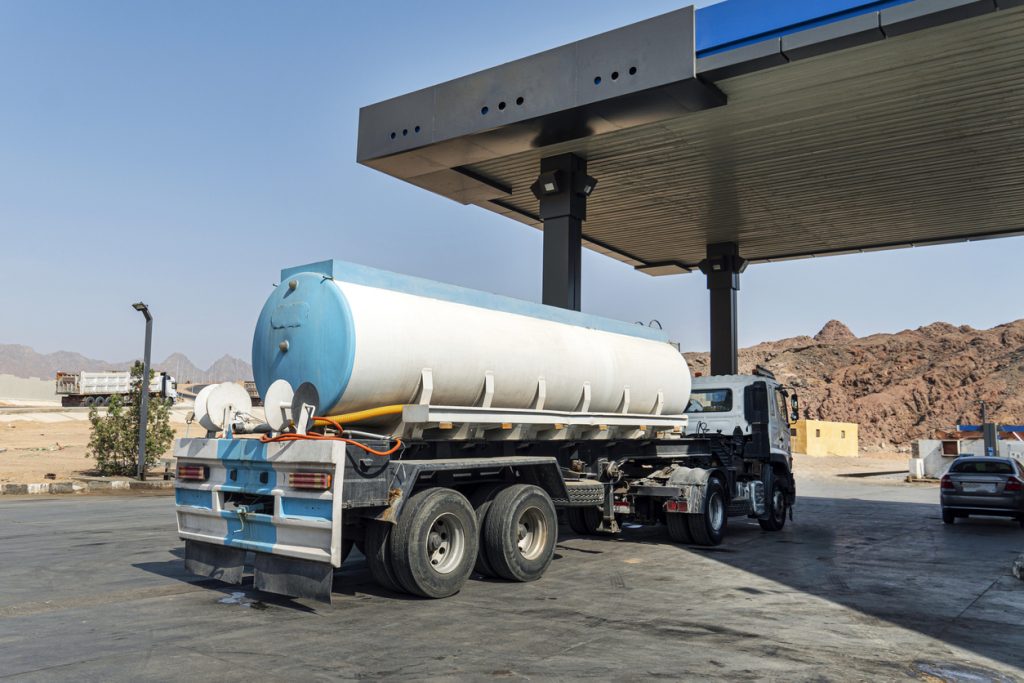
Managing fuel in Nigeria can become a serious operational headache for businesses that depend on generators, trucks, delivery vehicles, construction equipment, or other fuel-powered assets. An E-fueling solution in Nigeria gives companies a more organized way to request fuel, monitor supply, track usage, and reduce the stress that comes with traditional fuel procurement.
Instead of sending staff from one filling station to another or handling every diesel purchase manually, businesses can coordinate fueling more efficiently and keep better records of what is being supplied, where it is going, and how much is being consumed.
When Manual Fuel Purchasing Starts Causing Problems
For a small office running one generator, buying diesel manually may still be manageable. The situation changes when a company has several locations or operates a fleet.
A logistics company in Lagos, for example, may need fuel for delivery vans in Ikeja, trucks around Apapa, and backup generators at a warehouse in Lekki. Without a proper system, managers can easily lose track of quantities, payments, delivery timing, and consumption.
Common problems include:
- Delayed fuel supply during busy periods
- Staff spending working hours looking for diesel
- Poor documentation of fuel purchases
- Difficulty monitoring consumption across vehicles or locations
- Emergency purchases at inconvenient prices
- Fuel shortages affecting business operations
An electronic fueling arrangement helps centralize these activities and gives businesses better visibility over their fuel needs.
How E-fueling Works for Nigerian Businesses
An E-fueling solution in Nigeria typically allows a business to coordinate fuel orders digitally instead of relying entirely on cash purchases and physical station visits.
A company can arrange fuel delivery based on required quantity, location, operational schedule, and available storage capacity. For businesses with recurring consumption, supply can also be planned around expected usage.
For example, a warehouse operating generators for several hours each day may know roughly how many litres of diesel it consumes weekly. Scheduling replenishment before the tank reaches a critical level reduces the risk of emergency shutdowns.
The same principle can support transport companies, hotels, estates, factories, construction sites, and other organisations with regular fuel requirements.
Fuel Delivery Timing Matters More Than Many Businesses Expect
Fuel logistics in Lagos is affected by traffic, supplier availability, location accessibility, and order volume.
A delivery to an industrial area in Ikeja may be easier to coordinate outside peak traffic periods, while fuel supply to sites around Lekki or Victoria Island may require careful scheduling during heavy weekday traffic.
Businesses should avoid waiting until their tanks are almost empty before placing an order. Maintaining a reorder level gives enough time to coordinate supply without disrupting operations.
Travo.ng can support businesses with fuel supply coordination alongside other logistics requirements, helping companies reduce the number of separate vendors they have to manage.
Tracking Consumption Can Help Control Operating Costs
Fuel expenses can become difficult to control when several drivers, facilities, or departments make independent purchases.
A structured e-fueling system creates clearer records of:
- Fuel quantity ordered
- Delivery destination
- Delivery date
- Vehicle or facility receiving the fuel
- Frequency of purchases
- Estimated consumption patterns
This information can help managers identify unusual usage and plan future purchases more accurately.
For fleet operators, combining fuel records with vehicle scheduling and fleet management can also provide a clearer picture of operating expenses.
Choosing an E-fueling Solution in Nigeria
Businesses should look beyond the convenience of placing an order. Reliability is especially important when fuel supports critical operations.
Before choosing a provider, confirm how deliveries are coordinated, what areas are covered, how quantities are recorded, and whether support is available when an urgent requirement comes up.
Companies with multiple branches should also consider whether supply can be coordinated across different locations rather than managing each site separately.
Keep Fuel Supply Connected to Your Wider Logistics
Fuel management often affects more than generators. It can influence vehicle availability, delivery schedules, warehouse operations, construction projects, and business continuity.
Travo.ng helps businesses coordinate practical logistics services, including fuel supply and distribution, fleet support, cargo movement, transport coordination, and business logistics.
With the right E-fueling solution in Nigeria, companies can spend less time chasing fuel and more time keeping their operations moving. Planning supply early, monitoring usage, and working with a dependable logistics partner can make daily fuel management far more predictable.
