


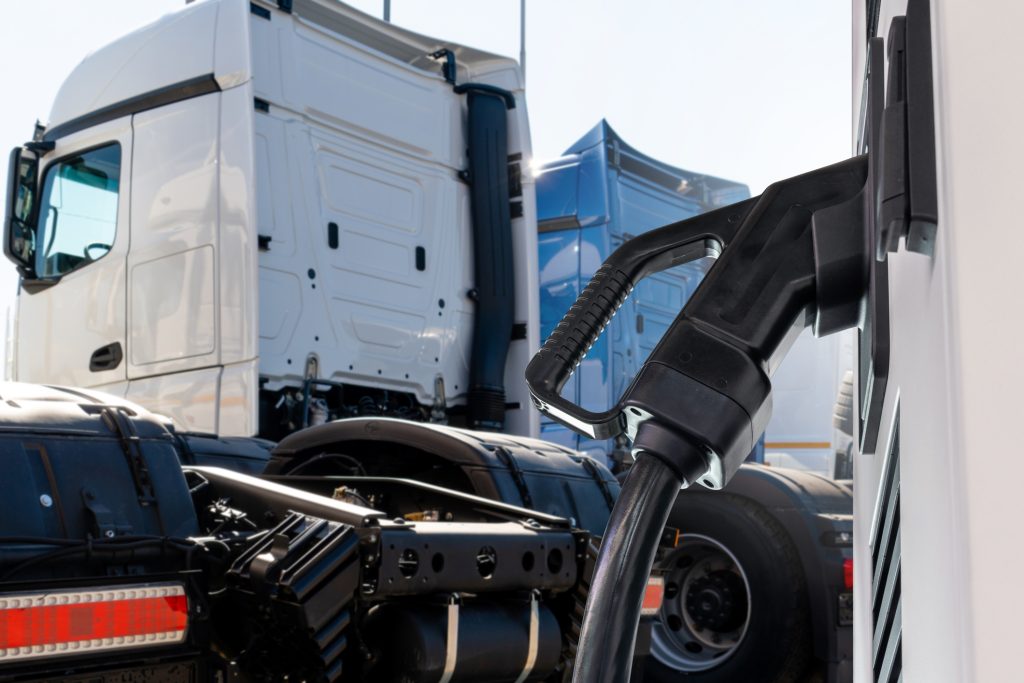
Fuel is one of the most difficult operating expenses for Nigerian businesses to control. Companies running generators, trucks, delivery vans, construction equipment, or large vehicle fleets can spend significant amounts every month without having a clear picture of where the fuel actually goes.
A fuel monitoring system for companies in Nigeria helps businesses track fuel consumption, identify unusual usage, improve accountability, and make better decisions about fuel procurement and distribution.
For companies operating across Lagos, Abuja, Port Harcourt, and other Nigerian cities, proper fuel monitoring can make the difference between a controlled operating budget and constant unexplained expenses.
Where Companies Commonly Lose Money on Fuel
Fuel losses are not always caused by one major incident. They often happen gradually.
A logistics company may supply diesel to several trucks without accurately recording how much each vehicle consumes. A company running multiple generators may know how much diesel was purchased but have no reliable record of how quickly each location used it.
Common problems include:
- Fuel being removed from vehicles or storage tanks without authorization
- Incorrect manual fuel records
- Drivers claiming higher consumption than expected
- Generator fuel usage that cannot be properly verified
- Poor visibility across several branches or operating locations
- Fuel purchases that do not match actual consumption
When these issues happen repeatedly, the financial impact can become significant.
How a Fuel Monitoring System Works in Daily Operations
A proper monitoring setup gives management better visibility into fuel movement.
Depending on the company’s operations, monitoring may cover fuel stored in tanks, fuel issued to vehicles, generator consumption, refuelling activity, and usage trends over specific periods.
For example, imagine a distribution company running 20 delivery vehicles across Lagos.
If one van regularly consumes considerably more fuel than similar vehicles covering comparable routes, management can investigate. The cause may be poor vehicle maintenance, excessive idling, inefficient routing, unauthorized trips, or fuel diversion.
Instead of waiting until monthly expenses become unusually high, the company can identify the problem earlier.
Fuel Monitoring for Generators and Business Locations
Fuel management is especially important for Nigerian businesses that depend heavily on generators.
An office, warehouse, hotel, factory, or retail outlet may receive hundreds or thousands of litres of diesel at a time. Without proper records, it can be difficult to confirm whether deliveries match what was ordered or whether daily consumption is reasonable.
Businesses should record:
- Fuel received at each location
- Opening and closing tank levels
- Generator operating hours
- Daily or weekly fuel consumption
- Unusual increases or sudden fuel level changes
Combining these records with a structured monitoring system provides stronger control than relying only on handwritten logs.
Fleet Operators Need More Than Fuel Receipts
For transport and logistics companies, collecting receipts from drivers is not enough.
A truck travelling from Lagos to Abuja will naturally consume more fuel than a vehicle making deliveries between Ikeja and Victoria Island. Consumption should therefore be assessed alongside distance travelled, vehicle type, load, traffic conditions, and driving behaviour.
This makes it easier to establish realistic fuel consumption benchmarks for different vehicles and routes.
Travo.ng can also support businesses with fleet management, transport coordination, vehicle logistics, and other operational services where better visibility helps reduce unnecessary costs.
What Companies Should Check Before Choosing a System
Before adopting a fuel monitoring system for companies in Nigeria, businesses should consider how easily the system fits into their existing operations.
Look for a solution that allows management to monitor multiple vehicles or locations, maintain accurate consumption records, identify suspicious changes, and generate reports that are easy to understand.
The system should also match the company’s actual needs. A five-vehicle delivery company may require a simpler setup than a haulage operator managing trucks, storage tanks, generators, and interstate operations.
Build Better Control Around Business Fuel
Fuel prices and operating expenses can put pressure on Nigerian businesses, but companies still have control over how efficiently their fuel is managed.
Reliable monitoring helps businesses understand consumption, reduce avoidable losses, improve staff accountability, and plan fuel purchases more accurately.
Companies that combine fuel monitoring with organised fleet management and logistics coordination are also better positioned to control transportation costs.
Travo.ng supports Nigerian businesses with practical transport, fleet, delivery, cargo logistics, and operational coordination services. Companies looking to improve fuel accountability alongside their transport operations can work with Travo.ng to build a more organised and measurable logistics process.
