


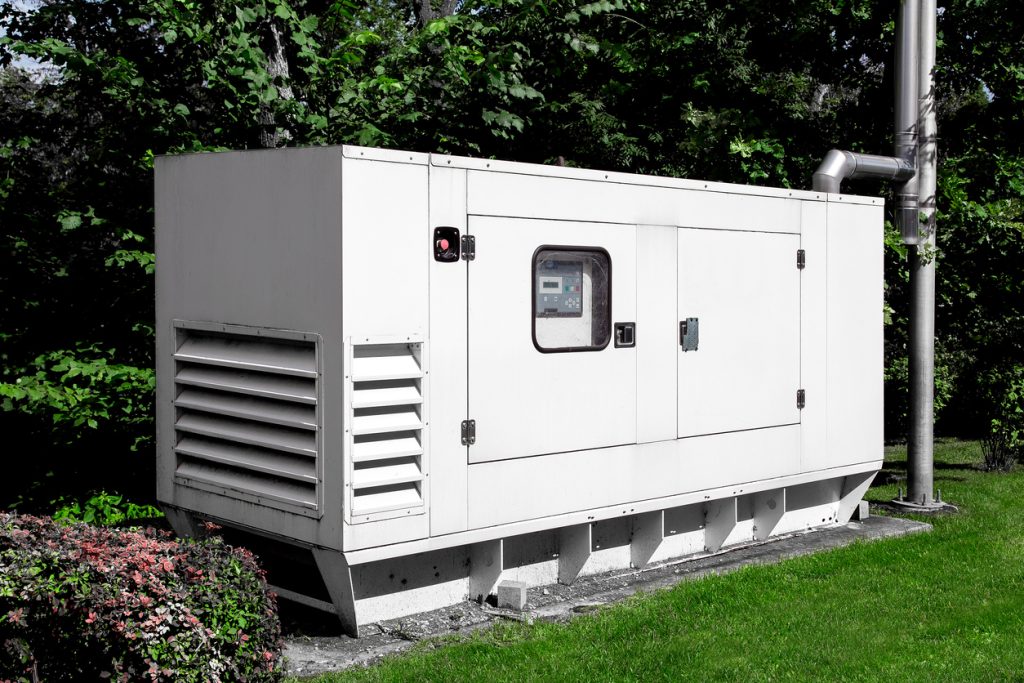
Moving a large generator around a university environment is very different from transporting ordinary goods. Generators are heavy, sensitive to rough handling, and often located in places where access is restricted by narrow campus roads, parked vehicles, students, drainage channels, or low-hanging structures.
For schools planning the transport of university generators in Nigeria, proper vehicle selection, loading equipment, route planning, and offloading arrangements are essential. A mistake during loading or transit can damage the generator, delay campus operations, or create unnecessary repair costs.
Travo.ng helps universities, contractors, facility managers, and equipment suppliers coordinate generator transport and other heavy equipment movements across Nigeria.
Start With the Generator Weight and Dimensions
Before arranging transport, the first thing to confirm is the generator’s approximate weight, length, width, and height.
A small backup generator used for a department building may fit comfortably on a suitable flatbed truck. A much larger industrial generator serving lecture halls, hostels, laboratories, or administrative buildings may require heavier lifting equipment and a larger truck.
Important details usually include:
- Generator capacity and approximate weight
- Whether it has a fuel tank attached
- Pickup and delivery locations
- Available loading space
- Whether a crane or forklift is required
- Road access inside the university
- Distance between both locations
Giving these details early helps avoid sending an unsuitable truck to the campus.
Moving Generators Between University Campuses
Universities sometimes need to relocate generators between campuses, faculties, hostels, or newly completed buildings.
For example, moving a generator from a university facility in Lagos to another campus location in Ogun State may require more planning than a normal city delivery. Traffic around areas such as Yaba, Ikeja, Ojota, and major expressways can affect departure times.
For interstate movements such as Lagos to Ibadan, Abuja to Kaduna, or Port Harcourt to Owerri, the generator should be properly secured before the vehicle leaves the loading point.
Ratchet straps, chains, wheel restraints, and appropriate positioning help reduce movement during braking or when travelling over uneven roads.
Loading Is Often the Most Important Part
The transport vehicle is only part of the job.
Heavy generators usually cannot be pushed manually onto a truck. Depending on the equipment, loading may require:
- Forklifts
- Mobile cranes
- Hydraulic lifting equipment
- Flatbed trucks
- Low-bed trailers
- Experienced rigging personnel
Campus management should also clear the loading area before the truck arrives. If vehicles, kiosks, construction materials, or parked buses block access, loading can take much longer than expected.
Travo.ng can coordinate suitable transport options based on the generator size and the conditions at the pickup location.
Plan Campus Access Before the Truck Arrives
Some university roads are designed mainly for cars, buses, and motorcycles rather than heavy trucks.
Before scheduling generator movement, check whether the truck can enter the campus gate and reach the building where the equipment is located.
Security departments may also require prior authorization before allowing commercial trucks, cranes, or contractors onto university property.
Planning these details in advance helps reduce waiting time at the gate and prevents situations where a large truck arrives but cannot reach the loading point.
What Affects Generator Transport Cost in Nigeria
There is no single fixed price for generator transportation because every movement is different.
The final cost normally depends on the distance, generator weight, truck type, loading equipment, waiting time, and whether specialized lifting support is required.
Moving a generator within Lagos will usually cost less than transporting the same equipment from Lagos to Abuja or from Abuja to Port Harcourt.
The easiest way to get an accurate quote is to provide the generator specifications, pickup address, destination, and clear photographs of the loading area.
Arrange Generator Transport With Travo.ng
Reliable transport of university generators in Nigeria requires more than simply finding a truck. The job needs proper coordination from pickup and loading to road movement and final positioning.
Travo.ng can support universities, facility management companies, contractors, and equipment suppliers with transport coordination, truck arrangements, cargo logistics, and related business logistics support.
Whether the generator is moving across a campus, between universities, or from a supplier to a new facility, proper planning helps protect the equipment and keeps the entire operation organised from start to finish.
