


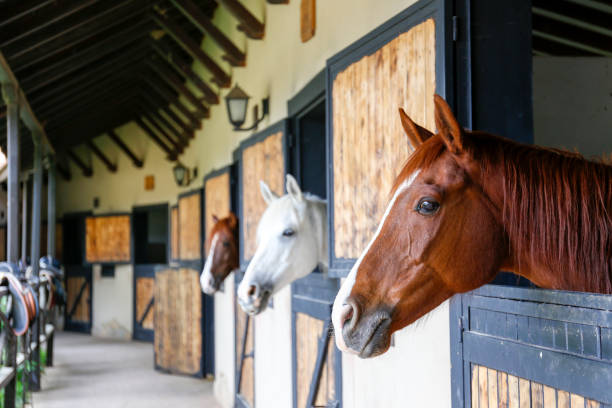
Transporting horses in Nigeria requires specialist planning because horses can become stressed or injured if they are loaded, contained or driven improperly. Horse owners may need transportation when moving animals between farms, stables, breeding facilities, riding centres, competitions, buyers or new homes.
A suitable horse transport arrangement should consider the horse’s condition, size, temperament, vehicle, loading method, journey distance, weather and destination.
Nigeria Agricultural Quarantine Service specifically lists horses among the live animals covered by its veterinary health inspection functions. (Nigeria Agricultural Quarantine Service)
What to Confirm Before Transporting a Horse
Before arranging horse transportation, provide the transport provider with the important details of the journey.
These include:
- Number of horses
- Pickup location
- Destination
- Preferred travel date
- Approximate size of the horse
- Age and condition
- Whether the horse is trained for loading
- Expected journey distance
- Loading and unloading conditions
- Any veterinary or documentation requirements
- Whether the journey crosses state borders
A horse travelling a short distance between nearby stables requires a different arrangement from one being transported across several Nigerian states.
Choosing a Suitable Horse Transport Vehicle
A horse should be transported in a vehicle that provides secure containment, adequate ventilation and enough internal clearance.
The floor should provide good grip to reduce slipping, while the loading area should be stable and easy for the horse to enter and leave.
Before departure, inspect the vehicle for:
- Secure doors and partitions
- Good ventilation
- Non-slip flooring
- Adequate headroom
- Sharp edges or exposed fittings
- A safe loading ramp
- Sufficient space for the horse
International animal welfare guidance recommends keeping journeys as short as reasonably possible and using competent handlers who understand animal behaviour. (WOAH)
Preparing a Horse for Transportation
A horse that is unfamiliar with trailers or livestock vehicles may become nervous during loading.
If possible, allow the horse to become familiar with the loading environment before the actual journey. The loading area should be clear, stable and free of obstacles.
Handlers should use calm, controlled movements rather than creating unnecessary panic.
Before leaving, check that the horse is properly contained and that all doors, ramps and partitions are secured.
Transporting Horses Between Nigerian States
Long-distance horse transportation may involve several states, traffic delays and changing road conditions.
A horse may be moved from a stable in Lagos to Abuja, from Kano to another northern city, or between farms and equestrian facilities depending on the owner’s requirements.
For interstate movements, confirm the applicable veterinary requirements before departure. Nigeria’s quarantine service carries out animal health inspections and also inspects trade animals at designated quarantine control posts. (Nigeria Agricultural Quarantine Service)
The NAQS Act also provides for inspection and animal disease surveillance of trade animals at interstate veterinary control posts, with veterinary movement and loading permits required for trade animals at such posts. (Nigeria Agricultural Quarantine Service)
Transporting Horses for Breeding
Breeding horses may require additional care because of their value and the importance of maintaining their condition.
Tell the transport provider about the horse’s size, temperament and any special handling requirements before the journey.
If the horse is pregnant or has a health issue, appropriate veterinary advice should be obtained before arranging a long-distance journey.
The receiving stable should also be ready before the horse arrives.
Moving Horses for Competitions and Events
Horse owners may need transportation when taking horses to competitions, riding events, exhibitions or other equestrian activities.
Timing becomes particularly important for these journeys. Allow enough time for traffic, loading delays and unexpected road conditions rather than scheduling arrival immediately before an event.
The destination should have a suitable area where the horse can be unloaded and settled before being required to participate in an activity.
How Much Does Horse Transport Cost in Nigeria?
Horse transportation costs vary depending on the journey.
Factors that can affect the price include:
- Number of horses
- Horse size
- Pickup location
- Destination
- Distance
- Vehicle type
- Fuel costs
- Road conditions
- Loading and unloading requirements
- Handling arrangements
- Veterinary or regulatory requirements
- Whether the vehicle needs to make a return trip
Transporting one horse locally will have different costs from moving several horses across multiple states.
For an accurate quotation, provide the transport provider with the number of horses, pickup location, destination and preferred travel date.
Preparing a Horse Before a Long Journey
The horse’s condition should be assessed before transportation. A horse that is injured, seriously unwell or otherwise unsuitable for the intended journey may require veterinary attention before travelling.
For longer journeys, plan around the horse’s welfare rather than treating the animal as ordinary cargo. International guidance recommends appropriate facilities at loading, unloading and resting points, including access to water and feed when required. (WOAH)
The driver and handlers should also know how to respond if the horse becomes distressed or develops a problem during the journey.
Arranging Horse Transport With Travo.ng
If you need to transport horses in Nigeria, Travo.ng can help coordinate the transportation and logistics around the movement where the requested specialist livestock or animal transport service is available.
When making an enquiry, provide the pickup location, destination, number of horses and preferred travel date. Mention whether the horse is being moved between stables, delivered to a farm, transported for breeding, taken to an event or delivered to a buyer.
Providing complete information helps the transport arrangement match the requirements of the horse and the journey.
Preparing for the Horse to Arrive
The destination should be ready before the horse leaves the pickup point.
Prepare a secure unloading area and make sure someone familiar with the horse is available to receive it. Suitable water, feed and shelter should also be available.
For rural destinations, confirm the final access route before departure, particularly if the vehicle will need to use narrow or poorly maintained roads.
Horse transportation involves more than finding a vehicle. Proper preparation, calm handling, suitable equipment, route planning and destination readiness all contribute to a safer and more organised journey.
