


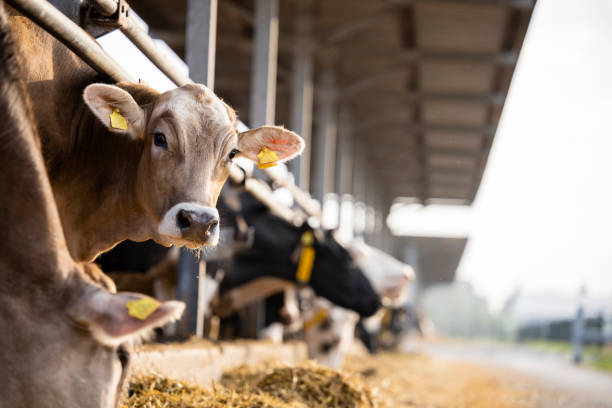
Dairy cow transport in Nigeria is needed when farmers and dairy operators move cows between farms, ranches, breeding facilities and new dairy locations. A dairy cow may also need to be transported after purchase or when a farm is expanding or relocating part of its herd.
Because dairy cows are valuable productive animals, transportation needs to be planned around their condition, handling requirements and the distance involved. The vehicle should provide secure containment, adequate ventilation and a suitable floor for the journey.
Nigeria’s livestock authorities have also highlighted humane and efficient transportation as important to the country’s dairy and livestock value chains. Recommended vehicle features include non-slip flooring, proper ventilation, suitable partitions and loading ramps. (FMLD)
What to Confirm Before Transporting Dairy Cows
Before booking transportation, establish the details of the movement.
You should confirm:
- Number of dairy cows
- Pickup location
- Destination
- Preferred travel date
- Approximate size of the cows
- Whether the cows are lactating, pregnant or being transported for breeding
- Distance and expected journey duration
- Loading and unloading conditions
- Any veterinary requirements
- Whether the journey crosses state borders
These details help determine the appropriate vehicle and transport arrangement.
For interstate livestock movements, veterinary requirements should be checked before departure. NAQS carries out health inspections of live animals, including cattle, and inspects trade animals at designated quarantine control posts. (Nigeria Agricultural Quarantine Service)
Choosing a Suitable Vehicle for Dairy Cow Transport
The vehicle should be suitable for transporting live cattle and should provide enough room for the animals to remain stable during the journey.
Good ventilation is particularly important in Nigeria’s warm climate. The flooring should also provide adequate grip to reduce slipping when the vehicle brakes, accelerates or travels over rough roads.
Before loading, inspect the vehicle for:
- Secure gates and partitions
- Adequate ventilation
- Non-slip flooring
- Sharp edges or exposed fittings
- Damaged sections
- A stable loading ramp
The number of cows should also be appropriate for the available space. Avoid excessive crowding, particularly when transporting valuable dairy animals over long distances.
Loading Dairy Cows Carefully
Loading can be stressful for cattle if the process is poorly organised.
Prepare the loading area before the vehicle arrives. A stable ramp and clear route into the truck can make loading easier and reduce unnecessary handling.
Handlers should work calmly and avoid creating panic among the animals.
Before departure, confirm that the gates are locked, the ramp has been removed or secured and the cows are safely contained.
The driver should also be aware that live dairy cows are being transported and avoid unnecessarily harsh braking and sudden manoeuvres.
Transporting Dairy Cows Between Nigerian States
Dairy cows may be transported between different parts of Nigeria when farmers purchase breeding stock, expand dairy operations or relocate animals.
An interstate journey may involve veterinary control posts and other checkpoints. The NAQS Establishment Act provides for inspection and disease surveillance of trade animals at interstate veterinary control posts, with trade animals accompanied by veterinary movement and loading permits at such posts. (Nigeria Agricultural Quarantine Service)
The relevant requirements should therefore be checked before the cows are loaded, particularly when the movement involves several states.
Moving Lactating Cows
Lactating cows require additional planning because they are actively producing milk.
The owner should inform the transport provider that the animals are lactating so the journey can be planned appropriately. Avoid unnecessary delays before and after transportation where possible.
The receiving farm should be ready to settle the cows immediately after arrival, with suitable facilities available for their normal feeding, watering and milking routine.
For longer journeys, the welfare and condition of the cows should remain a priority throughout transportation.
Transporting Pregnant Dairy Cows
Pregnant cows may require additional care during transportation.
Before moving a pregnant cow, consider the stage of pregnancy and whether veterinary advice is appropriate, particularly for a long-distance journey.
The animal should be handled carefully during loading and unloading, while the vehicle should provide enough stability to reduce unnecessary movement and risk of injury.
If a cow is close to calving, professional veterinary advice should be obtained before arranging a long journey.
Dairy Cow Transport for New Farms
Farmers establishing or expanding a dairy operation may need to transport several cows to a new farm.
This type of movement requires coordination between the seller, transport provider and receiving farm. Confirm the number of animals, their approximate sizes and the exact destination before the journey.
The receiving farm should have appropriate housing, water, feed and handling facilities ready before the cows arrive.
How Much Does Dairy Cow Transport Cost in Nigeria?
There is no single price for transporting dairy cows in Nigeria. The cost depends on the specific journey and the number and type of animals involved.
Factors that can affect the price include:
- Number of dairy cows
- Size and weight of the animals
- Pickup and destination
- Distance
- Vehicle requirements
- Fuel costs
- Road conditions
- Loading and unloading arrangements
- Handling requirements
- Veterinary or regulatory requirements
- Whether a return trip is required
Moving one dairy cow locally will have different costs from transporting an entire herd between distant Nigerian states.
For an accurate quotation, provide the transport provider with the number of cows, pickup location, destination and preferred travel date.
Preparing Dairy Cows Before a Long Journey
The condition of each animal should be considered before transportation.
If a dairy cow appears unwell, injured or otherwise unsuitable for travel, seek appropriate veterinary advice before proceeding.
Owners should also communicate important information about the animals to the transport provider before loading, particularly where cows are pregnant, lactating or have special handling requirements.
Good preparation can make the journey more organised and reduce unnecessary stress.
Arranging Dairy Cow Transport With Travo.ng
If you need dairy cow transport in Nigeria, Travo.ng can help coordinate the transportation and logistics around the movement where the requested livestock transport service is available.
When making an enquiry, provide the pickup location, destination, number of dairy cows and preferred travel date. Mention whether the cows are being moved for dairy production, breeding, farm relocation or purchase.
Providing these details allows the transport arrangement to be planned around the specific requirements of the animals and the journey.
Preparing for the Dairy Cows to Arrive
The receiving farm should be prepared before the cows leave the pickup location.
Make sure there is a secure unloading area and enough space for the animals to settle after transportation. Water, feed and appropriate housing should also be available.
If the cows are being introduced to an existing herd, the farm should have an appropriate plan for receiving and managing the new animals.
For long-distance deliveries, confirm the exact destination, access route and receiving contact before departure.
Dairy cow transport is more than simply moving cattle from one location to another. Proper vehicle selection, careful handling, route planning, veterinary requirements and preparation at the destination all contribute to a smoother livestock delivery.
