


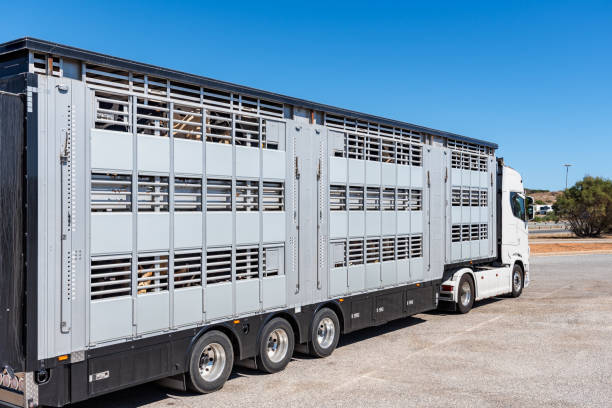
Transporting cattle in Nigeria requires more planning than simply hiring a truck and loading the animals. Cattle may need to travel long distances between farms, ranches, livestock markets, breeding facilities, abattoirs and buyers, sometimes across several states.
A proper cattle transport arrangement should consider the condition of the animals, the vehicle, loading method, route, travel time, weather, feeding and watering needs, and any veterinary movement requirements.
What to Consider Before Transporting Cattle in Nigeria
Before arranging cattle transport, confirm where the animals are coming from, where they are going, how many cattle are being moved and the purpose of the journey.
For example, transporting a few cattle from a farm to a nearby market is different from moving a large herd from northern Nigeria to a buyer in Lagos or another southern state.
You should also check:
- Number and approximate size of cattle
- Origin and destination
- Preferred travel date
- Road condition and expected traffic
- Loading and unloading locations
- Whether the cattle are healthy and fit to travel
- Veterinary and movement documentation required for the journey
- Whether the animals need special handling
Nigeria Agricultural Quarantine Service carries out health inspection of live animals, including cattle, and inspects trade animals at designated quarantine control posts. Nigerian law also provides for veterinary movement and loading permits for trade animals. (Nigeria Agricultural Quarantine Service)
Choosing the Right Vehicle for Cattle Transport
The vehicle should provide enough space for the cattle to stand without excessive crowding. It should also be suitable for livestock movement, with adequate ventilation and a secure loading area.
The condition of the floor is particularly important. A slippery surface can increase the risk of cattle falling or injuring themselves during sudden braking or rough sections of the road.
For longer journeys, the transport plan should also account for stops, access to water where necessary and the general welfare of the animals.
Using an ordinary enclosed truck without proper ventilation or livestock handling arrangements can create unnecessary problems, especially in Nigeria’s hot weather.
Loading Cattle Safely
Loading is one of the most important stages of cattle transportation.
Cattle should be handled calmly rather than being forced aggressively into the vehicle. The loading area should be stable and free from obstacles that could cause injuries.
Before departure, check that:
- The vehicle is properly secured
- Gates and partitions are locked
- The floor provides sufficient grip
- The cattle have adequate room
- Sharp edges or dangerous objects have been removed
- The driver understands that livestock is being transported
Careful loading can reduce injuries and make the journey easier for both the animals and the handlers.
Moving Cattle Between Nigerian States
Long-distance cattle transport is common when livestock is moved from production areas to major markets and urban centres.
A journey could involve routes such as Kano to Abuja, Kaduna to Lagos, Jos to Abuja, or other interstate movements depending on where the cattle are sourced and where the buyer is located.
For interstate trade, documentation and veterinary requirements should be checked before loading. Nigeria’s Agricultural Quarantine Service conducts animal health inspections and disease surveillance, including at interstate control posts. (Nigeria Agricultural Quarantine Service)
Planning these requirements before the truck leaves the farm can help reduce avoidable delays along the route.
Transporting Cattle From Farms to Livestock Markets
Farmers and livestock traders may need cattle transported to markets for sale, especially when the animals are being moved in batches.
The transport arrangement should be coordinated with the market or receiving buyer before departure. This helps ensure someone is available to receive the cattle when the truck arrives.
It is also useful to confirm:
- Market opening and receiving times
- Exact unloading location
- Number of cattle expected
- Contact person at the destination
- Payment and ownership arrangements
- Veterinary requirements
- Return arrangements for the vehicle
Poor coordination can leave cattle waiting unnecessarily after a long journey.
Transporting Breeding Cattle
Breeding cattle may require additional care because their value can be significantly higher than ordinary market animals.
When moving breeding stock, the owner should communicate any relevant health, handling or breeding information to the transport provider. Avoid unnecessary stops and rough handling where possible.
The receiving farm should also be prepared before the cattle arrive, with suitable space, water and facilities for settling the animals.
How Much Does It Cost to Transport Cattle in Nigeria?
There is no single price for cattle transport in Nigeria. The cost depends on several factors, including:
- Number of cattle
- Size and weight of the animals
- Distance travelled
- Origin and destination
- Type of livestock vehicle required
- Road conditions
- Fuel costs
- Loading and unloading requirements
- Driver and handling arrangements
- Veterinary or regulatory requirements
- Whether the trip is one-way or requires a return journey
A short movement within one state will normally have different logistics requirements from a long interstate cattle delivery.
For an accurate quote, provide the transport provider with the number of cattle, pickup location, destination and preferred travel date.
Preparing Cattle Before a Long Journey
Do not wait until the truck arrives before preparing the animals.
Check the cattle beforehand and separate any animal that appears unfit for travel. The animals should be handled carefully during preparation and loading.
For longer journeys, the owner should also plan how the cattle will be monitored and managed throughout the trip.
If veterinary inspection or movement documentation is required, arrange this before the scheduled departure rather than leaving it until the last minute.
Arranging Cattle Transport With Travo.ng
If you need to transport cattle in Nigeria, Travo.ng can help coordinate the logistics around the movement, including transport planning and delivery arrangements where the requested livestock transport service is available.
Provide the pickup location, destination, number of cattle, preferred date and any special requirements. This makes it easier to determine the appropriate vehicle and logistics arrangement.
Whether the cattle are being moved from a farm to a livestock market, between farms, to a buyer or across Nigerian states, proper planning helps reduce delays and avoid unnecessary handling problems.
Preparing for Cattle at the Destination
The destination should be ready before the cattle arrive.
Prepare a secure holding area with suitable space, access to water and facilities appropriate for the animals. The person receiving the cattle should also be available to supervise unloading.
For commercial deliveries, confirm the buyer’s location and contact details before departure. This is particularly important when cattle are being delivered to large markets, farms or unfamiliar locations.
A well-planned cattle transport journey should cover the entire process from pickup to final delivery, not just the truck ride itself.
