


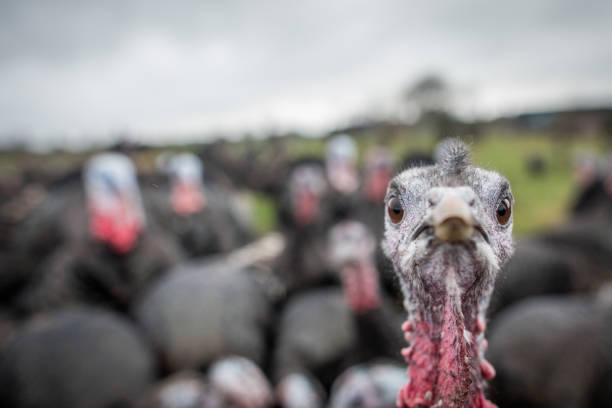
Turkey transport in Nigeria requires proper planning because live turkeys are larger and heavier than chickens and can become stressed during handling, heat exposure, overcrowding or long journeys.
Farmers, breeders, traders, restaurants and customers may need to move turkeys between farms, markets and different Nigerian cities. Whether the journey is within Lagos or from one state to another, the birds need secure transport containers, sufficient airflow and careful handling.
Nigeria’s National Biosecurity Guidelines for the Poultry Value Chain identify road transport as the main method for moving poultry in the country and note that live birds are commonly transported in cages or baskets. (FMLD)
Preparing Turkeys Before Transport
Before loading, inspect the birds and separate any turkey that appears injured, seriously unwell or otherwise unsuitable for transportation.
Use sturdy crates or suitable containers that are appropriate for the size of the turkeys. Avoid overcrowding because large birds need sufficient space to remain stable and for air to circulate.
The containers should be securely closed and positioned so they cannot fall or slide when the vehicle is moving. Heavy cargo should not be placed on top of crates containing live turkeys.
Managing Heat During Turkey Transport
Nigeria’s hot weather makes temperature and ventilation important considerations when transporting turkeys.
Keep the crates away from direct sunlight and ensure that air can circulate around them. Avoid unnecessary stops, particularly during very hot periods.
Traffic can make a significant difference to journey time. A route that normally takes a few hours may take considerably longer when there is congestion, road construction or another unexpected delay.
For longer journeys, plan the departure time and route carefully and have arrangements for dealing with vehicle breakdowns or significant delays.
Loading Turkeys Without Rough Handling
Turkeys should be loaded calmly and carefully. Rough catching, throwing birds into crates or dragging them can cause unnecessary injury and stress.
Once the birds are inside, check that the crate doors are properly secured and that the containers are stable.
The driver should also avoid unnecessary sudden braking, sharp turns and rough driving. Properly securing the load helps reduce movement inside the vehicle during transportation.
Farm to Market Turkey Transport
Farm-to-market transportation is common during periods of high demand, including festive seasons when more households, restaurants and food businesses purchase turkeys.
Before the birds leave the farm, confirm:
- Number of turkeys
- Number of crates required
- Pickup location
- Market or buyer’s location
- Departure time
- Expected journey duration
- Recipient’s phone number
- Unloading arrangements
The buyer should be ready to receive the birds when they arrive. This helps prevent unnecessary waiting in transport crates.
Interstate Turkey Transport in Nigeria
Moving turkeys between Nigerian states requires additional planning because longer routes create greater exposure to traffic, weather and vehicle delays.
For example, a farmer sending turkeys from Ogun State to Lagos, Lagos to Abuja, Oyo to Lagos or Kaduna to Abuja should arrange the pickup and receiving points before the birds are loaded.
For longer commercial movements, it is sensible to have contingency arrangements for breakdowns, traffic delays and adverse weather. Nigeria’s poultry biosecurity procedures also address emergency planning for incidents affecting poultry transportation. (FMLD)
Transporting Large Turkeys
Large mature turkeys need particularly suitable crates because their size and weight can make handling more difficult.
Do not assume that crates suitable for chickens will automatically be suitable for mature turkeys. Check the dimensions, strength and ventilation before loading.
For large orders, calculate the number of crates and vehicle capacity in advance rather than trying to fit additional birds into containers at the last minute.
How Much Does Turkey Transport Cost in Nigeria?
There is no fixed price for turkey transport in Nigeria. The final cost depends on the details of the journey.
Factors can include:
- Number and size of turkeys
- Number of crates required
- Pickup location
- Destination
- Distance
- Vehicle size
- Door-to-door delivery
- Travel date and timing
- Traffic and road conditions
- Special handling requirements
Transporting a few turkeys within Lagos will have different logistics from moving dozens or hundreds of birds between states.
Biosecurity During Turkey Transportation
Biosecurity is important whenever live birds are moved between locations. Transport equipment can come into contact with birds from different farms, so cleaning and disinfection should form part of the transportation process.
Nigeria’s poultry biosecurity guidelines include measures covering the transportation of live birds and the cleaning and disinfection of poultry transport equipment. (FMLD)
This is particularly relevant for farmers and poultry businesses that regularly collect birds from multiple farms or deliver to different markets.
Arranging Turkey Transport With Travo.ng
If you need to arrange turkey transport through Travo.ng, provide the important details before the transportation is confirmed.
Mention the number and approximate size of the turkeys, pickup location, destination, preferred travel date and whether you need farm pickup, market delivery or door-to-door transportation.
Clearly state that the shipment contains live turkeys rather than ordinary cargo. This allows the transportation requirements to be considered when planning the logistics.
Travo.ng can help coordinate relevant transportation and delivery requirements where the requested service is available. For large commercial poultry movements, confirm any applicable veterinary, biosecurity or specialist handling requirements before booking.
Preparing for the Turkeys to Arrive
The receiving location should be ready before the vehicle arrives. Once the turkeys reach their destination, unload them carefully and move them into an appropriate prepared environment.
Check the birds for obvious signs of injury or excessive stress and provide suitable care after arrival.
For commercial poultry businesses, keeping records of the number of turkeys transported, departure time, arrival time and condition on arrival can help identify problems with particular routes or transport arrangements.
Turkey transport in Nigeria is more than simply finding a vehicle. Suitable crates, ventilation, careful loading, journey timing, biosecurity and reliable handover arrangements all contribute to a safer and more organised movement of live turkeys.
