


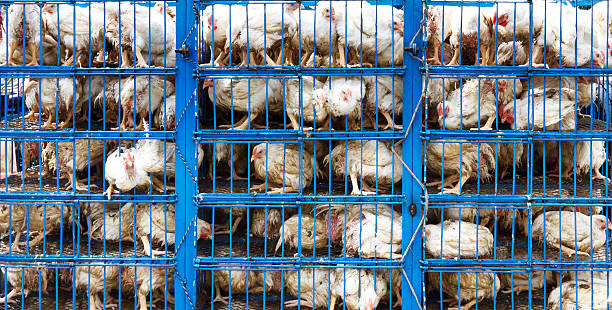
Chicken transport in Nigeria is common among poultry farmers, breeders, traders, restaurants and customers buying live birds. Chickens may need to be moved from farms to markets, between farms, to customers or from one state to another.
Moving live chickens is different from transporting ordinary cargo. The birds need secure containers, sufficient ventilation, careful handling and a journey plan that accounts for Nigeria’s heat, traffic and road conditions.
Preparing Chickens for Transport
Before the journey, check that the chickens are fit enough to travel and that the transport containers are clean, secure and suitable for live birds.
The Federal Ministry of Livestock Development’s poultry biosecurity procedures recommend proper packaging and securement to prevent injuries, adequate ventilation and a visual inspection of birds before departure. (FMLD)
Avoid overcrowding chickens in crates. They should have enough space to remain stable without being compressed against other birds throughout the journey.
The crates should also be positioned securely inside the vehicle so they cannot slide, fall or be crushed by other cargo.
What Time Should Chickens Be Transported?
Timing matters when transporting live chickens in Nigeria. The country’s poultry biosecurity procedures recommend transporting live birds preferably at night to minimise stress. (FMLD)
Night or cooler-period transportation can be particularly useful for longer interstate journeys because it can reduce exposure to the strongest daytime heat.
However, the actual departure time should also take traffic, road conditions and the receiving location into account. A poorly planned overnight journey that encounters significant delays can still create problems.
Keeping Chickens Cool During Transportation
Heat and poor ventilation can become serious problems when chickens are packed into transport crates.
Make sure air can circulate around the crates and avoid placing them where airflow is blocked. Direct exposure to strong sunlight should also be avoided.
This is especially important on routes such as Lagos to Abuja, Lagos to Ibadan, Lagos to Benin City, Abuja to Kaduna and other journeys where traffic can extend the travel time.
If there is a vehicle breakdown or unexpected delay, the condition of the birds should be monitored and emergency arrangements should be available. Nigeria’s poultry transport procedures specifically recommend emergency protocols for accidents, breakdowns and adverse weather. (FMLD)
Moving Chickens From a Farm to a Market
Farm-to-market chicken transport is one of the most common movements for poultry businesses.
Before loading, determine:
- Number of chickens being transported
- Pickup location
- Market or delivery destination
- Number of crates required
- Expected departure time
- Estimated journey duration
- Person responsible for receiving the birds
Loading should be carried out calmly to reduce unnecessary stress and injuries. Once the crates are loaded, secure them properly before the vehicle begins moving.
Interstate Chicken Transport in Nigeria
Moving chickens between states requires more planning because longer journeys increase exposure to traffic, weather and unexpected delays.
For example, a farmer sending live chickens from Ogun State to Lagos or from Lagos to Abuja should organise the pickup, transportation and receiving arrangements before the birds leave the farm.
The destination should also be ready to receive the chickens immediately. This avoids keeping live birds waiting inside transport crates after a long journey.
For larger commercial movements, poultry businesses should also check applicable veterinary, biosecurity and documentation requirements before transportation. Nigeria’s poultry biosecurity guidance calls for required permits, licences and documentation to be available and up to date. (FMLD)
How Much Does Chicken Transport Cost in Nigeria?
There is no single price for transporting live chickens in Nigeria. The cost depends on the details of the journey.
Important factors include:
- Number of chickens
- Number and size of crates
- Pickup location
- Delivery destination
- Distance
- Vehicle type
- Door-to-door delivery requirements
- Travel date and time
- Traffic and road conditions
- Special handling requirements
Transporting 20 chickens within Lagos will have very different logistics from moving several hundred birds from a farm in the South West to Abuja.
Choosing a Vehicle for Live Chicken Transport
The vehicle should be appropriate for the number of birds and allow adequate airflow around the crates.
Nigeria’s national poultry biosecurity guidelines note that live birds are commonly transported by road and that various vehicle types are used in practice. The guidance also highlights the importance of suitable handling and transportation conditions. (FMLD)
Do not place heavy goods on top of chicken crates or block the ventilation openings. The crates should remain stable throughout the journey, while the driver should avoid unnecessary sudden braking and rough driving.
Arranging Chicken Transport With Travo.ng
If you need to arrange chicken transport through Travo.ng, provide the important details before the trip is confirmed.
Mention the number of chickens, pickup location, destination, preferred travel date, approximate journey distance and whether you need pickup and delivery at specific addresses.
It is also important to clearly state that the shipment contains live chickens rather than ordinary cargo. This allows the transportation requirements to be considered when planning the logistics.
Travo.ng can help coordinate relevant transportation and delivery requirements where the requested service is available. For larger commercial poultry movements, confirm any specialist handling or regulatory requirements before booking.
What to Do When the Chickens Arrive
The receiving person should be ready before the vehicle arrives. Move the chickens from the transport crates into a suitable prepared environment as soon as practical.
Check the birds for obvious signs of injury or excessive stress and provide appropriate access to water and their normal care routine.
For farmers and poultry businesses, keeping basic records of the number of chickens transported, journey details and condition on arrival can also help identify problems with particular routes or transport arrangements.
Whether you are moving a few chickens across Lagos or transporting hundreds of birds between Nigerian states, good planning can make the journey safer and more organised. Proper crates, ventilation, sensible timing, secure loading and reliable delivery coordination are all important parts of chicken transport in Nigeria.
