


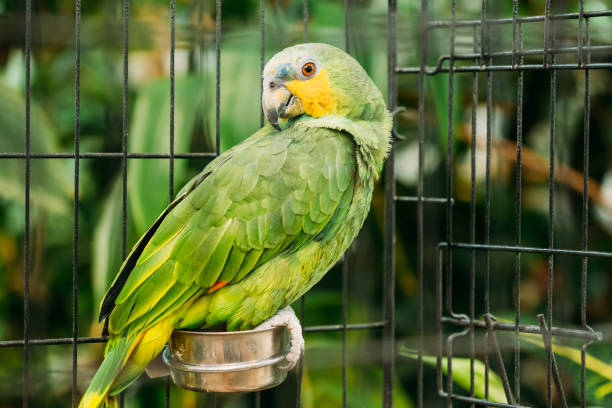
Parrot transport in Nigeria requires careful planning because parrots can become stressed by unfamiliar surroundings, excessive noise, heat and sudden movement. Whether you are relocating with your parrot, sending it to a new owner, collecting one from a breeder or moving it between Nigerian cities, the journey should be organised around the bird’s safety.
A secure carrier, proper ventilation, suitable temperature and a coordinated pickup and handover can make a major difference during the trip.
Choosing the Right Carrier for Parrot Transport
Use a sturdy bird carrier that is properly secured and has sufficient ventilation. The carrier should be appropriate for the size of the parrot and strong enough to prevent escape.
If your parrot is not used to travelling, introduce the carrier before the journey. Let the bird enter and leave it during short practice sessions before attempting a longer trip. Gradually getting a bird comfortable with its carrier can make transportation less stressful. (RSPCA)
Do not use a damaged carrier or one with openings through which the parrot could push its head, wings or feet.
Protecting a Parrot From Heat During Nigerian Travel
Nigeria’s weather makes temperature management particularly important when transporting parrots.
Keep the carrier away from direct sunlight and make sure air can circulate properly. The vehicle should remain comfortable throughout the journey, especially when travelling during hot periods.
Avoid leaving a parrot inside a parked vehicle while making a stop. A delay caused by traffic, fuel stops or roadside arrangements can quickly become a problem if the bird is left unattended in a hot vehicle.
For longer journeys, plan the route and timing carefully so unexpected delays can be managed without compromising the bird’s comfort.
Road Transport for Parrots in Nigeria
For domestic journeys, road transport can be suitable when the bird is properly secured and the vehicle is appropriate.
Before starting the journey, confirm that:
- The parrot will remain in a secure carrier
- The carrier has adequate ventilation
- The carrier is protected from direct sunlight
- Heavy luggage will not be placed on it
- The carrier cannot slide around during the journey
- The driver or handler knows that a live bird is being transported
- Someone will be available to receive the parrot at the destination
Smooth driving is also important. Avoid sudden braking, sharp turns and unnecessary handling of the carrier. RSPCA guidance similarly recommends avoiding sharp cornering, sudden speed changes and sudden braking when transporting birds. (RSPCA)
Moving a Parrot From Lagos to Abuja
Interstate parrot transport needs more coordination than simply giving a carrier to a driver.
For a Lagos to Abuja journey, for example, arrange the pickup location, departure time, destination address, recipient’s contact information and expected arrival period before the trip begins.
The person receiving the parrot should ideally be ready when the bird arrives. This avoids unnecessary waiting and reduces the time the parrot spends in an unfamiliar environment.
The same planning applies to routes such as Lagos to Ibadan, Lagos to Benin City, Lagos to Port Harcourt, Abuja to Kaduna and other interstate movements.
Food and Water During Parrot Transport
A parrot’s normal feeding routine should be considered before and during a long journey. Carry its usual food and make appropriate arrangements for hydration.
For journeys lasting more than a short period, speak with an avian veterinarian about the best way to provide food and moisture for your particular bird. RSPCA guidance notes that longer bird journeys may require suitable moist food in a securely fitted container, depending on the circumstances and veterinary advice. (RSPCA)
Avoid experimenting with unfamiliar foods immediately before travelling.
Can Parrots Be Transported by Air?
Air travel can be an option for some long-distance movements, but requirements vary between airlines and routes. The airline should be contacted before booking because live-animal policies, approved carriers and documentation requirements can differ.
International movement requires additional attention to Nigerian import and export rules. Nigeria Agricultural Quarantine Service documentation identifies parrots among pet animals covered by its animal import procedures, while wildlife movements may also involve CITES requirements depending on the species and circumstances. (Nigeria Agricultural Quarantine Service)
This is particularly important for species that are protected or subject to international wildlife trade controls. Nigerian Customs has also reported enforcement involving illegally shipped parrots and other birds. (Nigeria Customs Service)
How Much Does Parrot Transport Cost in Nigeria?
There is no standard price for parrot transport across Nigeria. The cost can depend on:
- Pickup and destination
- Distance
- Road or air transportation
- Vehicle requirements
- Door-to-door delivery
- Travel date and timing
- Handling requirements
- Whether the owner is travelling with the parrot
- Additional documentation for certain journeys
A short trip within Lagos will have different logistics from an interstate journey such as Lagos to Abuja.
Arranging Parrot Transport With Travo.ng
When contacting Travo.ng about parrot transport, provide the bird’s current location, destination, preferred travel date and whether the parrot will travel with you or separately.
Also mention that the shipment involves a live parrot rather than ordinary cargo. This allows the transportation requirements to be considered before arrangements are made.
Travo.ng can help coordinate relevant travel and logistics requirements where the requested service is available. For specialist live-animal handling or air transportation, confirm the specific requirements before booking.
Preparing for the Parrot’s Arrival
Prepare the bird’s normal cage or enclosure before it arrives. Have fresh water, familiar food and a quiet place ready so the parrot can settle after the journey.
Avoid unnecessary handling immediately after a long trip. Give the bird time to become comfortable with its surroundings and monitor it for unusual behaviour or signs of distress.
For parrot transport in Nigeria, successful delivery is not simply about getting from one city to another. The carrier, temperature, handling, route, timing and final handover all need to be considered so the bird arrives safely and can settle into its new environment.
