


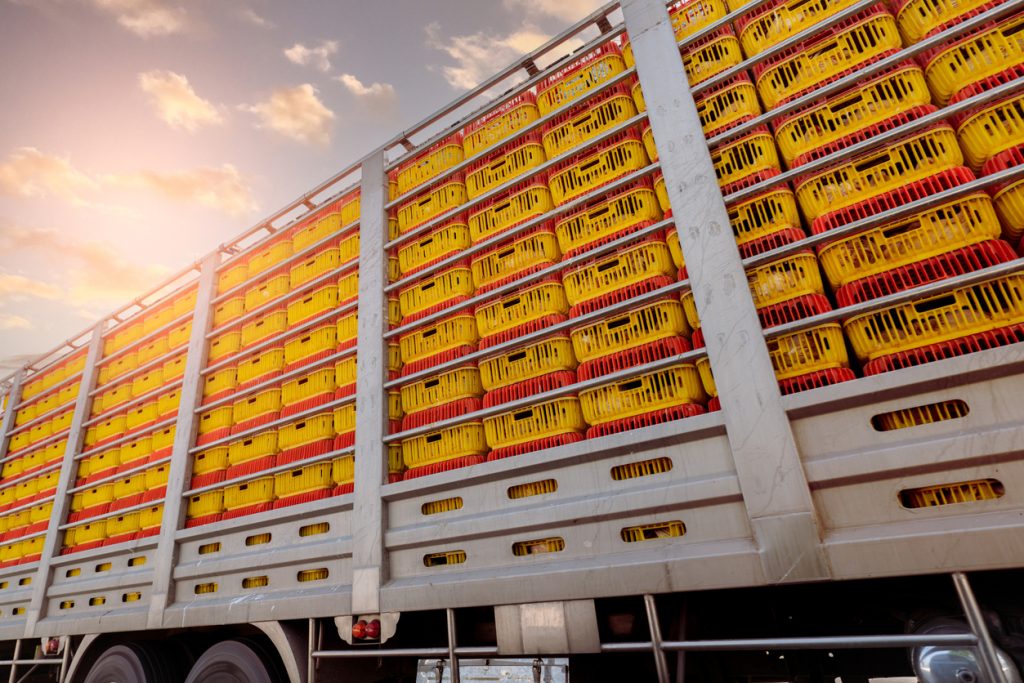
Bird transport in Nigeria requires more planning than ordinary parcel delivery. Whether you are relocating with a parrot, sending a pet bird to a family member, moving birds from a breeder, or arranging interstate delivery, the bird needs a secure carrier, proper ventilation, careful handling and a well-planned journey.
Nigeria’s heat, traffic, long interstate routes and unpredictable delays can make transportation stressful for birds. Planning the journey around the bird’s safety is therefore important from pickup to final delivery.
What You Need Before Transporting a Bird
Start with a suitable bird carrier that is secure, well ventilated and appropriate for the bird’s size. The bird should have enough room to maintain a comfortable posture without having excessive space that could cause injury when the vehicle moves.
For some birds, a fixed perch close to the bottom of the carrier can provide stability. A non-slip surface can also help the bird remain secure during movement. The carrier should be properly closed so there is no risk of escape.
If your bird is unfamiliar with its carrier, introduce it gradually before the travel date. Getting the bird accustomed to the carrier can reduce stress when the actual journey begins. (RSPCA)
Protecting Birds From Nigerian Heat
Temperature is one of the biggest concerns when transporting birds in Nigeria. The carrier should have adequate airflow and should never be left sitting in direct sunlight.
Try to schedule long journeys during cooler periods of the day, particularly during very hot weather. A vehicle carrying a bird should also be properly ventilated and kept at a comfortable temperature. Animal welfare guidance emphasises the importance of avoiding heat and cold stress during bird transportation. (Science)
This is especially relevant for routes such as Lagos to Abuja, Lagos to Benin City, Abuja to Kaduna or Lagos to Ibadan, where traffic can unexpectedly extend travel time.
Road Transport for Birds in Nigeria
Road transport can be practical for many domestic bird movements because the journey can be planned around the bird and the carrier can remain with the vehicle throughout the trip.
Before arranging transportation, confirm:
- The bird will remain inside a secure carrier
- The carrier has adequate ventilation
- The bird will be protected from direct sunlight
- Heavy luggage will not be placed on or against the carrier
- The driver or handler knows that a live bird is being transported
- Someone will be ready to receive the bird at the destination
Avoid sudden braking, sharp turns and unnecessarily rough handling. A bird carrier should also be positioned securely so it cannot slide around during the journey.
Moving a Bird From Lagos to Abuja or Another City
Interstate bird transport needs proper coordination because the journey involves more than simply handing the carrier to a driver.
For example, someone sending a parrot from Lagos to Abuja should arrange the pickup point, departure time, destination, recipient’s phone number and expected arrival period before the journey begins.
The person receiving the bird should be available when it arrives. This reduces unnecessary waiting and limits the amount of time the bird spends in an unfamiliar environment.
For longer journeys, food and water arrangements should also be considered according to the bird’s species and normal routine. Long-distance journeys should be planned carefully, with appropriate contingency arrangements for traffic or other delays. (RSPCA)
How to Prepare a Bird for Transport
Before the journey, prepare everything the bird may need. This can include its normal food, drinking water, familiar materials and any medication prescribed by a veterinarian.
Avoid making major changes to the bird’s diet immediately before travelling.
If the bird is particularly nervous, giving it time to become familiar with the carrier before the journey can make transportation easier. Keep handling calm and avoid repeatedly opening the carrier during stops because birds can escape quickly in unfamiliar surroundings.
How Much Does Bird Transport Cost in Nigeria?
There is no fixed price for bird transport in Nigeria. The final cost can depend on factors such as:
- Pickup and delivery locations
- Distance between the cities
- Type of bird and transportation requirements
- Vehicle type
- Journey timing
- Traffic and route conditions
- Door-to-door pickup and delivery requirements
- Special handling arrangements
Transporting a bird within Lagos will naturally involve different logistics from sending one from Lagos to Abuja or Port Harcourt.
If air travel is being considered, check the airline’s current rules before making arrangements because airlines can have specific requirements for live animals and approved carriers. (RSPCA)
Can Travo.ng Help With Bird Transport?
When arranging bird transport through Travo.ng, provide complete information about the animal and the journey before confirming the logistics.
Details such as the bird’s current location, destination, species, preferred travel date, approximate journey length and whether the owner will accompany the bird can help determine the appropriate transportation arrangement.
Travo.ng can help coordinate relevant travel and logistics requirements where the requested service is available. For specialist live-animal handling, confirm the specific requirements before booking rather than treating the bird like ordinary cargo.
What to Do When the Bird Arrives
Have the bird’s cage or aviary prepared before it arrives. Provide access to its usual food and fresh water, and give it a quiet environment to settle after the journey.
Avoid unnecessary handling immediately after a long trip. Watch the bird for unusual signs such as extreme weakness, difficulty breathing or other concerning changes, and contact an avian or exotic-pet veterinarian if necessary.
Good bird transport in Nigeria starts with the right carrier and ends with a properly coordinated handover. By planning the route, managing temperature, protecting the bird from excessive movement and ensuring someone is ready at the destination, you can make interstate or local transportation much safer and more organised.
