


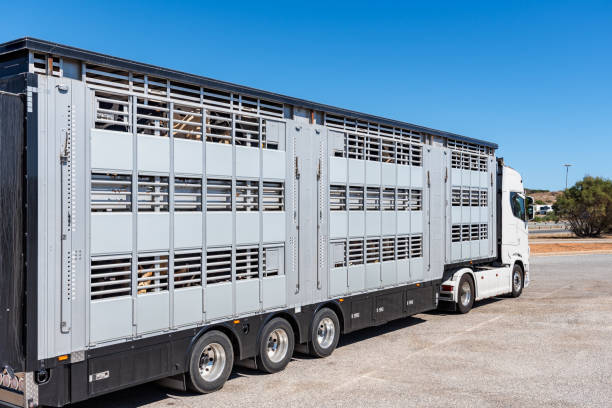
Livestock logistics in Nigeria covers the transportation, handling, storage coordination and delivery of animals such as cattle, goats, sheep, pigs and poultry across different locations. It connects farms, livestock markets, traders, abattoirs, processors and buyers.
Because livestock are living cargo, logistics planning must consider animal welfare alongside transport costs, road conditions, journey duration and delivery schedules. A poorly planned journey can result in injuries, animal losses, delays and higher operating costs.
How Livestock Logistics Works in Nigeria
A livestock movement usually starts with confirming the animals, pickup location, destination and delivery requirements. The transporter then selects a suitable vehicle and plans the route.
For interstate movements, the logistics process may also involve veterinary checks and movement documentation. These requirements should be confirmed before the animals leave their origin.
The journey itself needs careful coordination. Loading, road travel, stops where necessary and unloading all affect the condition of the animals when they arrive.
Livestock Transportation Across Nigerian States
Road transport is commonly used for livestock movements because farms and markets are spread across different parts of the country.
Long-distance routes such as Kano to Lagos, Kaduna to Abuja or northern livestock markets to southern commercial centres require more planning than short local trips.
Transporters need to consider:
- Vehicle suitability
- Number and size of animals
- Ventilation
- Loading capacity
- Road conditions
- Traffic congestion
- Journey duration
- Weather conditions
- Destination arrangements
A realistic delivery schedule is particularly important when livestock are travelling over several hundred kilometres.
Cattle Logistics in Nigeria
Cattle logistics involves moving animals between farms, ranches, livestock markets, holding facilities and abattoirs.
Large cattle shipments require appropriate vehicles and careful loading. Overcrowding can create unnecessary stress and increase the risk of injuries.
For commercial cattle traders, logistics costs can also have a direct effect on the final selling price. Fuel, driver costs, vehicle maintenance, loading fees and unexpected delays should therefore be considered when planning a shipment.
Goat and Sheep Logistics
Goats and sheep are frequently transported for livestock markets, breeding, farming and seasonal demand.
Although smaller than cattle, they still require appropriate space, ventilation and handling during transportation. A shipment should not simply be packed into any available vehicle because unsuitable transportation can lead to injuries and losses.
During periods of increased demand, such as the weeks leading up to major religious and cultural celebrations, traders may need to arrange transportation earlier because demand for livestock movement can increase.
Livestock Logistics From Northern Nigeria to Lagos
Lagos is a major commercial destination for livestock coming from different parts of Nigeria. Moving animals from northern states to Lagos can involve lengthy road journeys and several logistical considerations.
Traders should confirm the receiving location before departure and make sure unloading arrangements are ready. The transporter should also have clear instructions about the final destination rather than relying on last-minute directions after arriving in Lagos.
Long-distance livestock logistics is easier to manage when pickup, transportation and delivery are coordinated as one process.
Common Livestock Logistics Problems
Livestock logistics can face several challenges in Nigeria. Traffic delays can extend journey times, while poor road conditions can make transportation more difficult.
Other problems include:
- Overcrowded vehicles
- Poor loading practices
- Inadequate ventilation
- Missing documentation
- Unplanned route changes
- Delayed unloading
- Vehicle breakdowns
- Poor communication between traders and transporters
These problems can increase costs and create unnecessary risks for both animals and businesses.
Planning Livestock Logistics Costs
The cost of moving livestock depends on several factors rather than a single fixed transportation rate.
Important cost factors include the distance travelled, number of animals, vehicle type, fuel prices, loading and unloading requirements, route conditions and whether additional handling or coordination is needed.
For long-distance shipments, businesses should request a clear transportation quote and establish what is included before the animals are loaded.
How Travo.ng Can Help With Livestock Logistics
Travo.ng can help coordinate transportation and delivery logistics for livestock movements where suitable transport planning is required.
For businesses moving animals between farms, markets or different Nigerian cities, the process can involve coordinating pickup, transportation timing, route planning and final delivery.
Where veterinary inspection, movement permits or other regulatory requirements apply, these should be confirmed with the appropriate veterinary authorities before transportation begins.
Making Livestock Logistics More Efficient
Efficient livestock logistics starts with planning before the vehicle arrives. The animals, route, transport capacity, documentation and receiving location should all be confirmed in advance.
For longer interstate movements, allowing for traffic and road delays can make delivery planning more realistic. Proper loading, suitable transportation and clear communication between everyone involved can also reduce avoidable problems.
For Nigerian livestock businesses, treating transportation as part of the wider supply chain rather than simply hiring a truck can make animal movements easier to coordinate and manage.
