


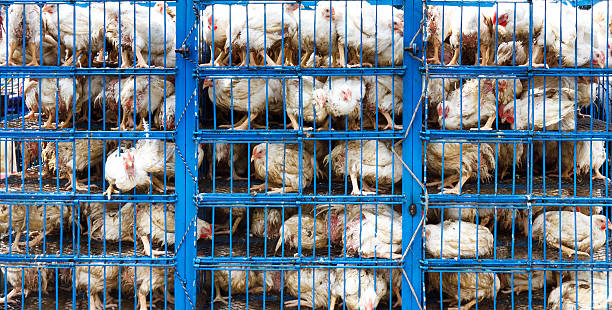
Animal logistics in Nigeria involves the organised transportation, handling and delivery of live animals from one location to another. This can include livestock such as cattle, goats and sheep, as well as pets, birds and other animals that require specialised transportation.
Unlike ordinary cargo, animals need appropriate handling, ventilation, space and journey planning. For commercial livestock movements, efficient transportation can also affect animal welfare, meat quality and the profitability of the supply chain. Nigeria’s Federal Ministry of Livestock Development has specifically highlighted efficient and humane livestock transportation as an important part of the livestock value chain.
What Animal Logistics in Nigeria Covers
Animal logistics can involve several different types of movement, including:
- Livestock transportation between farms and markets
- Cattle transportation to abattoirs
- Goat and sheep transportation
- Pet relocation between Nigerian cities
- Domestic air transportation for pets
- International pet relocation
- Animal pickup and last-mile delivery
- Transport coordination for breeders and agricultural businesses
The appropriate transport method depends on the species, number of animals, distance and destination.
Livestock Logistics Across Nigeria
Livestock transportation is an important part of Nigeria’s agricultural supply chain. Animals may travel long distances from production areas to major markets, abattoirs and commercial buyers.
Routes between northern livestock-producing areas and southern commercial markets can require careful planning because of journey length, road conditions, traffic and loading requirements.
A suitable livestock carrier should provide adequate ventilation and enough space for the animals being transported. Loading and unloading should also be carried out carefully to reduce unnecessary injuries and stress.
Pet Logistics in Nigeria
Pet logistics has different requirements from commercial livestock transportation. Dogs, cats and other pets may need secure carriers or crates, veterinary documentation and specialised handling.
Domestic pet movements can involve road transport between cities such as Lagos, Abuja and Port Harcourt. Depending on the distance and circumstances, air transportation may also be considered.
For international pet movements, documentation becomes particularly important. Depending on the route, requirements may include vaccination records, health certificates, permits and other veterinary documentation.
International Animal Logistics
International animal transportation can involve several stages, including veterinary preparation, documentation, airline coordination, customs procedures, quarantine requirements and final delivery.
The requirements can differ considerably depending on the destination country and species. This means an international animal shipment should be planned well before the intended travel date.
Using a professional animal logistics provider can help coordinate the different parties involved, but owners should still confirm that the required veterinary and regulatory requirements have been satisfied.
Challenges With Animal Logistics in Nigeria
Animal transportation can be affected by long distances, traffic congestion, extreme weather, unsuitable vehicles and poor handling practices.
Another challenge is coordinating the timing of multiple parties. The transporter, farm or owner, receiving market, veterinarian and other relevant parties may all need to be ready at different stages of the journey.
For livestock businesses, delays can increase transportation costs and create additional stress for animals. For pets, poor coordination can make relocation unnecessarily difficult for both the animal and its owner.
Planning an Animal Shipment
Before arranging transportation, the owner should establish:
- The type and number of animals
- Pickup and delivery locations
- Preferred transportation method
- Expected journey duration
- Veterinary requirements
- Required permits or documentation
- Suitable crates or livestock carriers
- Feeding and watering arrangements
- Loading and unloading arrangements
- Contact details for the receiving party
For long-distance movements, it is also useful to plan for possible road delays rather than assuming that the journey will follow the estimated driving time exactly.
How Travo.ng Can Help With Animal Logistics
Travo.ng can help coordinate logistics around animal movements where transportation, delivery planning and related travel arrangements are required.
For a livestock shipment, this can involve coordinating transport between farms, markets or other destinations. For pet relocation, logistics may involve arranging transportation between Nigerian cities and coordinating the movement with the owner’s wider travel plans.
Where veterinary certification, quarantine approval or other regulatory documentation is required, these should be confirmed with the relevant authorities and qualified veterinary professionals before transportation.
Choosing the Right Animal Transport Arrangement
The right logistics arrangement depends on the animal, route and purpose of the shipment. A short-distance pet movement may require a different solution from a multi-state cattle shipment or an international animal relocation.
Planning the journey around animal welfare, suitable transportation, documentation and delivery timing can help reduce avoidable problems and make animal logistics in Nigeria more organised and predictable.
