


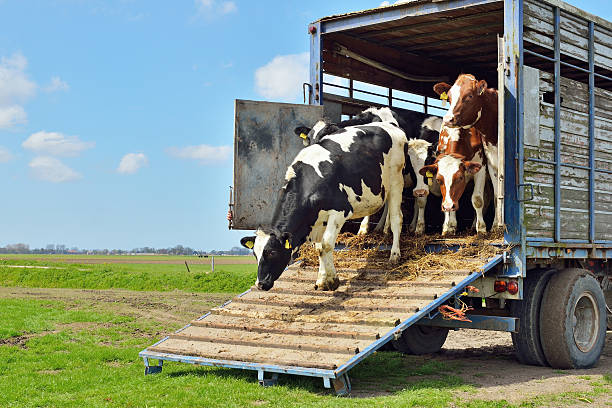
Livestock transport in Nigeria involves moving animals such as cattle, goats, sheep, pigs and poultry between farms, markets, ranches, processing facilities and other destinations. Unlike ordinary cargo transportation, livestock movement requires suitable vehicles, careful handling, veterinary documentation and proper route planning.
For farmers, livestock traders and businesses buying animals from another state, organising transportation properly can help reduce injuries, animal losses, delays and unnecessary stress.
What Livestock Transport in Nigeria Involves
A livestock transportation plan should consider:
- Type and number of animals
- Origin and destination
- Vehicle capacity
- Loading and unloading arrangements
- Veterinary requirements
- Route and travel time
- Water and feeding requirements
- Weather and road conditions
- Veterinary control points
- Security and emergency arrangements
The requirements can vary depending on the type of animal and whether the movement is interstate, commercial or international.
Veterinary Movement Permits
Veterinary documentation is an important part of interstate livestock transportation. Under Nigeria’s quarantine framework, trade animals are subject to inspection and are expected to be accompanied by veterinary movement and loading permits at interstate veterinary control posts.
The movement permit applies to a specific journey, and the authorised veterinary officer must be satisfied that the animals are fit for transportation before issuing it.
Livestock owners should therefore confirm the relevant requirements before animals are loaded onto a vehicle.
Choosing a Livestock Transport Vehicle
The vehicle should be suitable for the species, size and number of animals being transported.
A livestock truck should provide adequate ventilation, sufficient space and secure flooring. Loading areas should also make it possible to move animals on and off the vehicle without unnecessary force.
Overloading can increase the risk of injuries, falls, stress and animal losses, particularly during long-distance journeys.
Transporting Cattle, Goats and Sheep
Cattle, goats and sheep are among the livestock commonly moved between Nigerian farming areas and markets.
Long-distance cattle transport may involve routes from northern livestock-producing areas towards markets and farms in other parts of the country. Goats and sheep are also transported between states, particularly when traders are preparing stock for major markets and periods of increased demand.
The journey should be planned around the condition of the animals, road conditions, rest requirements and veterinary control points.
Feeding, Water and Rest
Livestock need appropriate care throughout transportation. Long journeys can expose animals to heat, dehydration, fatigue and stress.
Before departure, the transporter should consider where animals can receive water and, where necessary, food and rest. The journey should also allow enough time for unexpected traffic, vehicle problems and other delays.
Transporting animals as quickly as possible should not come at the expense of their welfare.
Livestock Transport for Farmers and Traders
Transportation can represent a significant part of the cost of buying livestock.
For example, someone purchasing cattle, goats or rams for resale should calculate more than the purchase price. The total cost can include loading, veterinary requirements, transportation, feeding or watering during the journey, unloading and other related expenses.
Understanding these costs before purchasing animals helps traders calculate their expected margins more accurately.
Common Challenges With Livestock Transportation
Livestock transporters in Nigeria can encounter several practical challenges, including:
- Poor road conditions
- Traffic delays
- Vehicle breakdowns
- Extreme heat
- Overcrowding
- Inadequate loading facilities
- Veterinary checkpoints
- Missing documentation
- Animal injuries
- Unexpected journey extensions
Having a contingency plan is particularly important for longer interstate journeys.
Livestock Transport and Animal Health
Animal health is closely connected to transportation. Nigeria Agricultural Quarantine Service conducts health inspections and disease surveillance involving trade animals and operates designated quarantine control posts. Its animal quarantine functions cover livestock including cattle, sheep and goats.
Nigeria is also developing a longer-term veterinary services framework. In 2026, the Federal Ministry of Livestock Development validated a 2026–2036 roadmap aimed at strengthening veterinary services, animal health systems and safe livestock trade.
International Livestock Transportation
Moving livestock outside Nigeria involves additional requirements. NAQS states that international animal movements can require permits, veterinary health documentation, inspection, laboratory analysis and quarantine procedures. Requirements may also depend on the destination country and the particular animal.
Businesses planning livestock exports should confirm the requirements of both Nigeria and the destination country before arranging transportation.
How Travo.ng Can Help With Livestock Logistics
Travo.ng can help businesses coordinate practical transportation and logistics requirements, including vehicle arrangements, cargo movement and delivery coordination.
For livestock businesses, transportation planning needs to account for the animals themselves, not just the distance between two locations. Vehicle suitability, documentation, route planning and timing all need to be considered before departure.
Plan Livestock Transport Before Loading
Successful livestock transportation starts before the animals enter the vehicle. Confirm the required veterinary documentation, select suitable transport equipment, assess the route and prepare for water, feeding, rest and possible delays.
For farmers and livestock traders, careful planning can make animal movement safer and more organised while helping control transportation costs and reduce avoidable losses.
